
What Is Acrylic Caulk?
Acrylic caulk is a paintable sealant made from water-based acrylic materials. It fills narrow gaps and joints around siding, trim, and other building surfaces. After it dries, the caulk forms a flexible barrier that helps block air and moisture. Painters use it where a neat painted finish matters.
Quick Facts About Acrylic Caulk
Category
Paintable joint sealant
Used for
Siding and trim gaps
Common confusion
Often confused with silicone caulk
Also called
Acrylic Latex Caulk, Acrylic sealant
Often discussed with
Siding Painting
Key Takeaways About Acrylic Caulk
- Its paintable surface sets it apart from many silicone sealants.
- It works best on clean, dry, stable joints.
- Acrylic caulk is not the same as exterior wood filler.
How Acrylic Caulk Works
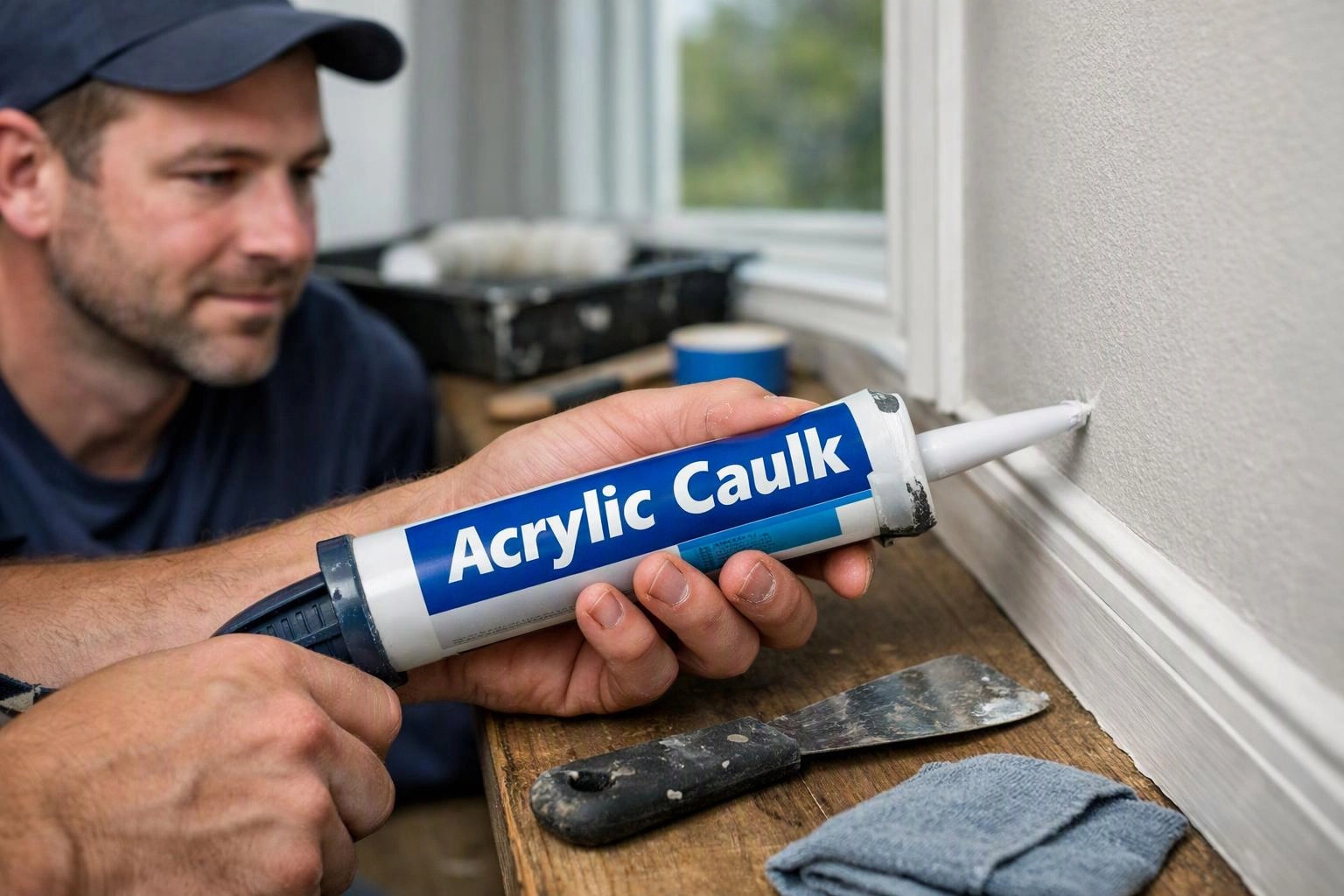
Acrylic caulk fills a joint and bonds to the edges around it. As the water leaves the material, the caulk forms a flexible surface. That surface can be painted after it has dried.
Related glossary terms: Paint Adhesion, Surface Preparation, Recoat Window.
On siding, painters press caulk into small gaps at trim edges, corner joints, and seams. The joint must be clean and dry so the material can grip the surface. A caulk gun helps control the bead, while a damp tool can smooth the finish.
Paint adhesion depends on a clean, cured surface. Acrylic caulk suits joints that move slightly, but large or constantly wet gaps may need a different sealant. Product labels help confirm the intended exterior use.
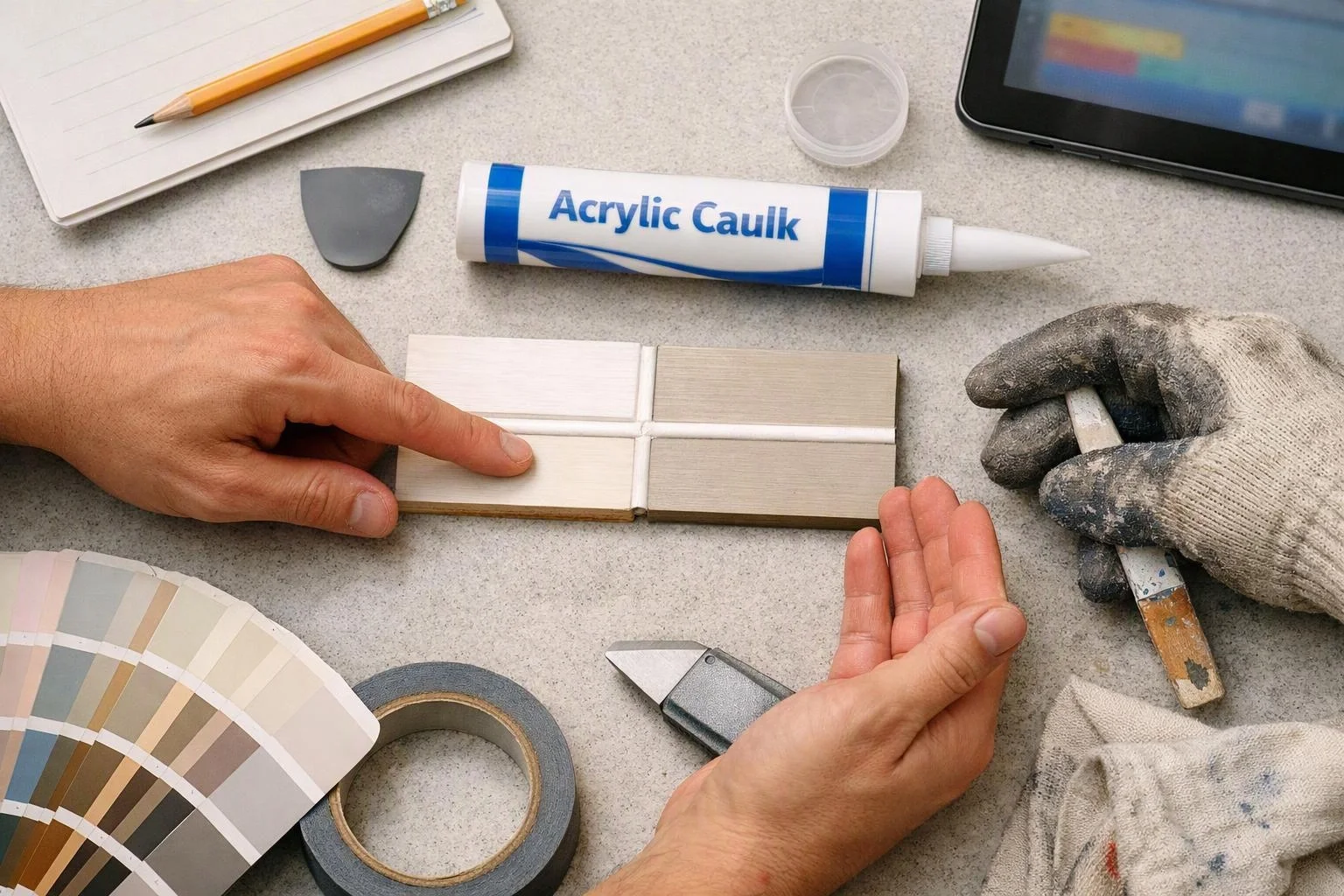
From the Thomas J. Painting team
When we prepare siding for paint, we inspect joints for cracks, loose material, and movement. We apply acrylic caulk where the joint suits a paintable sealant, then smooth the bead so the finished coating looks even.
Acrylic Caulk in Practice: A Real-World Example
A siding project may have a narrow gap where a trim board meets the siding panel. We clean the joint, apply acrylic caulk, smooth it, and paint over the cured surface for a continuous finish.
Related Services
Related Terms
Paint Adhesion
Paint Adhesion is the bond that holds a paint film to its surface. Strong adhesion helps…
Surface Preparation
Surface Preparation is the planned cleaning, repair, sanding, scraping, and priming of a surface before paint…
Recoat Window
A recoat window is the period when a coating is ready to receive another coat. The…
Thomas J. Painting
Have Questions About Acrylic Caulk?
Contact Thomas J. Painting for practical guidance on Acrylic Caulk and related painting contractor work in Bellevue.