Cabinet Painting for Outdated, Worn, or Discolored Cabinets
Cabinet painting can refresh outdated kitchen cabinets when the cabinet boxes and doors are sound. At Painter-Bellevue-Wa.com, we check the surface, repair damage, prepare each part, and apply a durable cabinet finish.
Get a Free Estimate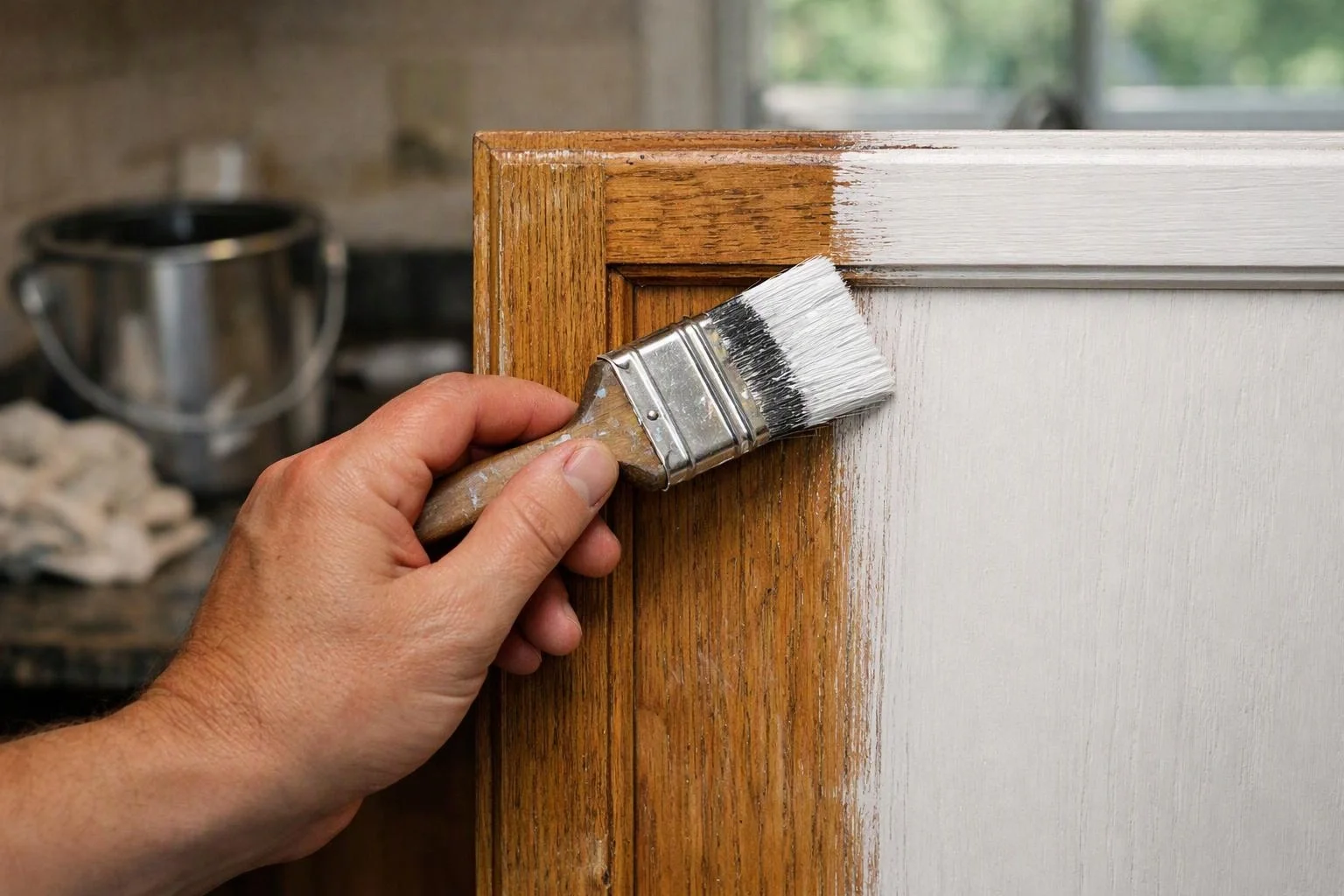
Can Cabinet Painting Refresh Outdated Kitchen Cabinets?
Yes, cabinet painting can refresh outdated kitchen cabinets when the wood, veneer, or composite surfaces are stable and repairable.
Cabinet painting updates cabinet doors, cabinet boxes, and exposed edges with a new paint finish. Our team checks the surface condition first, because good preparation controls how well the new coating bonds and wears.
Cabinet repainting can create a strong kitchen update without changing the existing layout. We can also explain when kitchen cabinet refinishing is not suitable for damaged materials.
What Signs Show That Kitchen Cabinets Need Painting?
Kitchen cabinets often need painting when their finish looks tired but the cabinet structure remains stable. These signs can point to a useful cabinet color update:
Small marks may need touch-up work, while broad wear usually needs full surface preparation. We inspect the finish so the new coating matches the condition of the doors and boxes.
What Causes Cabinets to Look Worn or Discolored?
Cabinet wear usually comes from daily exposure, repeated cleaning, and an ageing finish. Common causes include:
These causes can work together, especially around cooking areas and cabinet handles. We remove surface contaminants before deciding whether painting can correct the problem.
How Do We Check Whether Cabinets Are Ready for Painting?
Our team checks the cabinet material, surface adhesion, and overall surface condition before painting.
We look for moisture damage, loose veneer, cracks, and swollen areas. We also check door alignment, hinges, handles, and other cabinet hardware so the finished kitchen works properly.
Stable wood, veneer, and composite surfaces may be suitable for painting after cabinet preparation. Loose materials or serious surface damage need cabinet repair before primer and paint can provide a reliable finish.
Which Cabinet Problems Need Repair Before Painting?
Cabinet repair should come before painting when damage could weaken the surface or show through the new finish. Our team matches the repair method to the cabinet material.
| Problem | Why repair comes first | Common repair focus |
|---|---|---|
| Cracked doors | Cracks can remain visible through the paint finish. | Stabilizing the door and filling surface damage. |
| Loose veneer | Paint cannot correct movement under the veneer. | Securing or replacing loose sections when suitable. |
| Damaged edges | Broken edges affect the shape and feel of the cabinet. | Shaping and smoothing with wood filler. |
| Swollen particleboard | Swelling can prevent a smooth, stable coating. | Assessing whether repair is practical or replacement is needed. |
| Missing hardware | Missing parts can affect alignment and daily use. | Checking hinges, handles, and mounting points. |
Repair needs can affect both the finished appearance and the painting process. We explain the cabinet repair work included in the estimate before preparation begins.
How Can You Prevent Cabinets from Looking Worn Again?
Regular care helps protect painted kitchen cabinets after the new finish cures. These habits reduce new surface damage:
Use soft cleaning materials and avoid abrasive products unless the coating instructions allow them. We can explain care needs for the selected paint finish.
How We Prepare Outdated Cabinets for a New Finish
Our cabinet preparation removes contamination and creates a stable surface for the new coating.
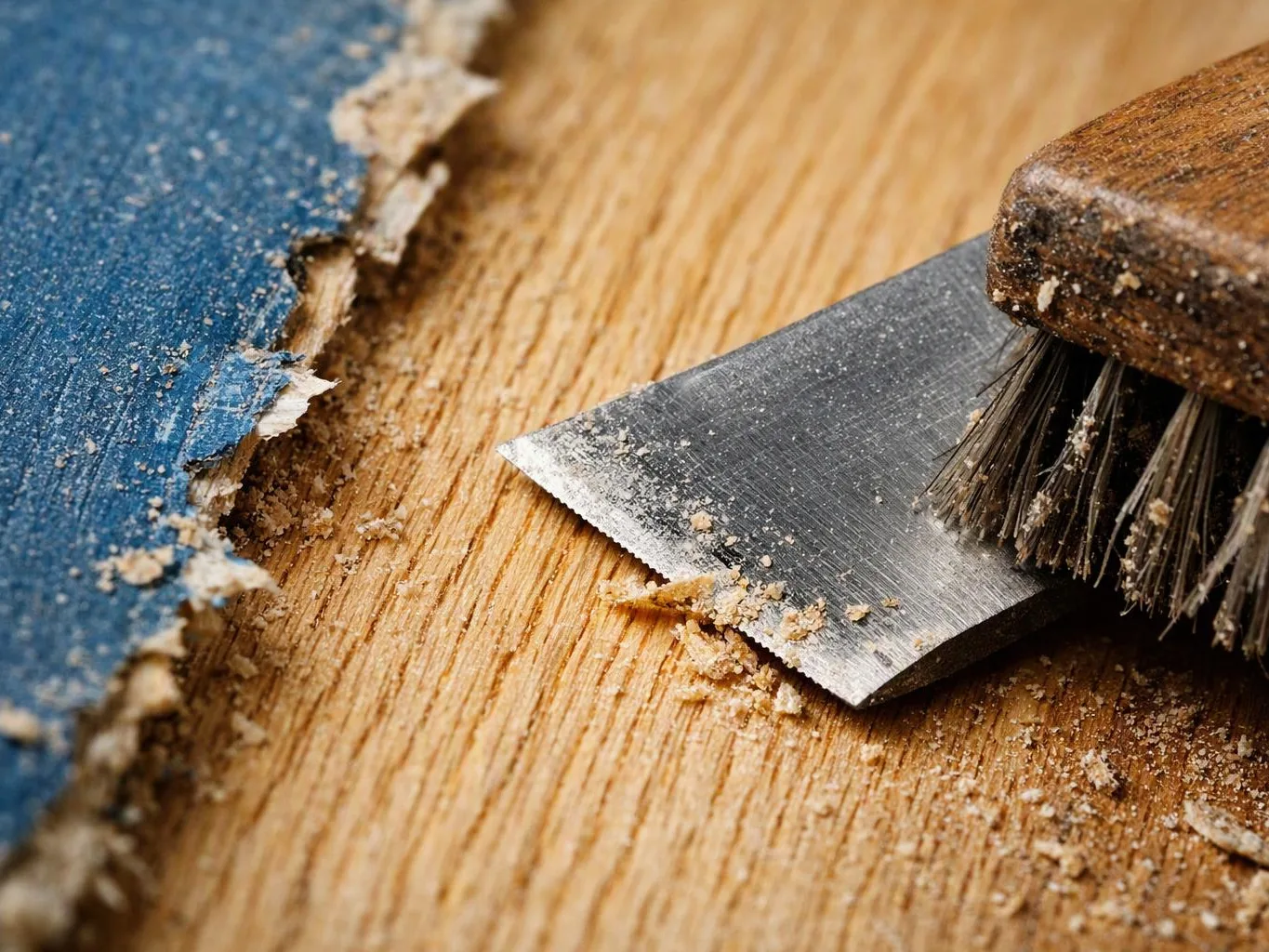
We begin with degreasing to remove cooking residue and grease buildup. We then use sanding or scuffing suited to the cabinet material and old finish.
Our team uses masking to protect counters, floors, walls, and nearby fixtures. We apply primer where needed so the cabinet paint has stronger paint adhesion and a more even base.
Good preparation supports a durable finish, especially when the color change is significant. For related wall damage, our guide on Painting Solutions for Cracked Walls, Nail Pops, and Damaged Drywall explains a separate preparation process.
What Does the Cabinet Painting Process Include?
Our cabinet painting process moves from condition review to preparation, coating, and curing.
Our team explains the work included in the estimate before the project starts. Cabinet Painting can include door painting, drawer-front painting, and cabinet box painting when those components are part of the plan.
Which Paint Finish Works for Outdated Kitchen Cabinets?
Cabinet enamel and waterborne alkyd paint are common choices for a hard, cleanable cabinet surface.
A satin finish gives cabinets a softer sheen and can help reduce glare. A semi-gloss finish reflects more light and supports washability in busy kitchen areas.
Our team considers the cabinet material, room lighting, cleaning needs, and planned paint color. The right selection supports paint durability without hiding the style of the kitchen.
What Changes the Painting Quote for Worn Cabinets?
The cabinet condition, repair needs, surface preparation, and number of painted components shape the quote. Free Estimates Available lets us review the work and explain what the estimate includes.
Our team considers the number of doors, drawer fronts, and cabinet boxes. We also review the old finish, the requested color change, and the level of surface preparation required.
A quote should make clear which cabinet repairs, primer work, paint coats, masking, and curing guidance are included. Contact us through our contact page so we can review your cabinets and prepare an exact estimate.
When Should You Paint Cabinets Instead of Replacing Them?
Cabinet painting suits kitchens with a sound layout and stable cabinet structure, while replacement suits cabinets with major structural damage or an unwanted layout.
Painting can update worn cabinets when the doors, boxes, and materials remain repairable. Cabinet replacement may make more sense when swelling, breakage, or poor construction affects the whole system.
Refacing changes some visible surfaces but follows a different process from cabinet painting. We review the cabinet structure and layout before explaining which option fits the condition.
How Can You Plan Your Cabinet Painting Project?
Good planning starts with a color sample, a review of the cabinet hardware, and an honest look at the surface condition.
Choose a color sample in the kitchen’s natural and artificial light. Decide whether existing hinges and handles should stay, be cleaned, or be changed.
Plan for kitchen access while doors and drawer fronts are being prepared. Our team can review the cabinets, explain the preparation needs, and provide a painting estimate for the planned work.
Cabinet painting is a focused home improvement project, but the final result depends on preparation. We use the assessment to separate paintable wear from cabinet repair or cabinet replacement needs.
Questions About Painting Outdated Kitchen Cabinets
Can cabinet painting work on laminate or veneer cabinets?
Cabinet painting can work on laminate or veneer cabinets when the material is stable and the surface can hold a coating. Our team checks for loose veneer, swelling, and poor adhesion before recommending preparation and primer.
How do you keep painted kitchen cabinets clean?
Painted kitchen cabinets stay cleaner when you use gentle cleaning methods and remove spills promptly. Avoid abrasive products that can dull the paint finish, and follow the care guidance for the selected coating.
What should a cabinet painting estimate include?
A cabinet painting estimate should explain the cabinet components, surface preparation, repairs, primer, cabinet paint, coats, masking, and curing guidance. We review those details with you and provide Free Estimates Available.