How Long Does Interior Painting Take?
Painting the inside of a house depends on the rooms, surface preparation, repairs, coats, drying conditions, and access. At Painter-Bellevue-Wa.com, we check these details before building the work plan.
Get a Free EstimateWhat Determines the Interior Painting Schedule?
Interior painting schedules depend on the size and condition of the areas being painted.
A house with several rooms, walls, ceilings, trim, and doors needs a broader plan than one room with sound surfaces. We review the project scope before deciding how the work should move from room to room.
Our team also checks whether the house interior needs wall preparation, drywall repair, primer, or extra paint coats. These details shape the schedule more than room count alone.
How Does the Interior Painting Process Affect Timing?
The interior painting process moves from inspection and preparation to coating, drying, and final inspection.
Each step supports the next one, so skipped preparation can create delays later. We build the work plan around the condition of the surfaces and the selected paint finish.
| Process stage | What can change the schedule |
|---|---|
| Surface inspection | The number of rooms, existing coatings, and visible surface problems guide the work plan. |
| Surface preparation | Cleaning, sanding, scraping, and protecting nearby areas add preparation work. |
| Drywall repair | Holes, cracks, and damaged drywall need repair before paint can cover the surface. |
| Drywall texturing | Texture work may require matching the existing texture and preparing the repaired area. |
| Priming | Primer may be needed where repairs, stains, or major color changes affect coverage. |
| Paint application | Wall painting, ceiling painting, trim painting, and the chosen finish affect the work sequence. |
| Drying | Drying conditions, ventilation, and the coating used affect when the next coat can begin. |
| Final inspection | Our team checks coverage, edges, finish quality, and touch-up needs before the work is complete. |
Which Factors Can Extend or Shorten the Schedule?
Room size, surface condition, color changes, coats, drying, and access can change the painting schedule.
These factors often overlap, so our team reviews them together. A smaller project can still need added preparation when the walls require repairs.
How Do Repairs and Drywall Texturing Change the Work Plan?
Drywall repairs and texturing add preparation work before the finish coats can begin.
Our team checks for holes, cracks, loose areas, and uneven patches. We patch holes, repair cracks, and smooth surfaces so the new coating has a clean base.
Drywall texturing can add another planning step when the existing pattern needs to be matched. The repaired area must blend with the surrounding surface before primer and paint are applied.
Surface preparation also protects the final paint finish. Rushing texture work can leave visible differences after the wall is painted.
How Can You Prepare the Rooms Before Painting?
Room preparation gives our crew safer, clearer access to the work area.
You can help the schedule by handling personal belongings before our team arrives. We can then focus on surface preparation and painting tasks.
How Does Color Consultation Support the Painting Plan?
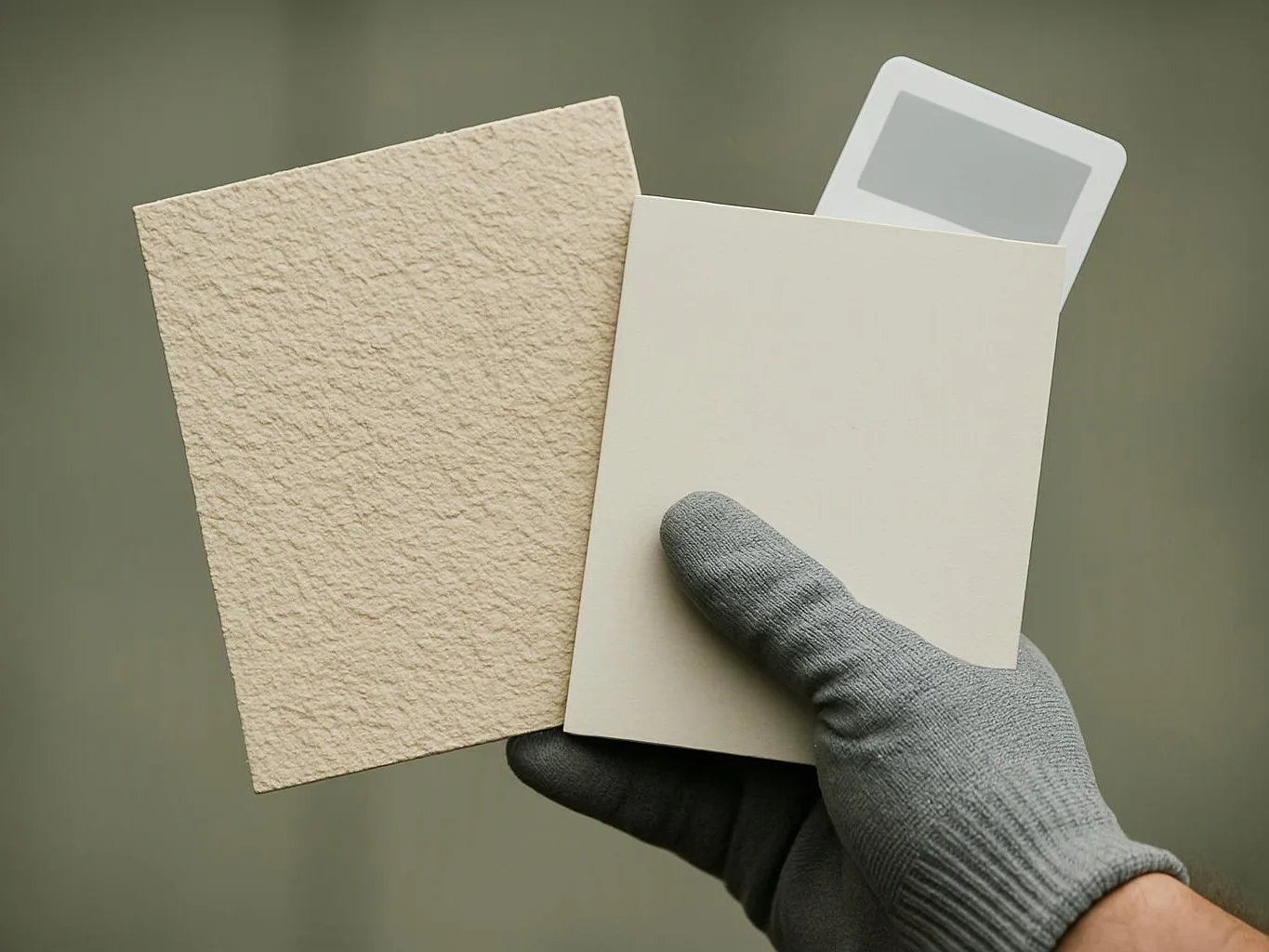
Color consultation helps settle the color and finish before painting begins, which supports a clearer work plan.
Our team considers lighting, room function, existing surfaces, and the desired paint sheen. These choices can affect how the walls, ceilings, trim, and doors are handled.
Color changes can also affect primer needs and paint coats. Deciding on color selection early helps us organize materials and the work sequence.
Low-VOC paint may suit rooms where odor and indoor air concerns matter. We can discuss the finish and product choice as part of the painting plan.
How We Confirm the Scope and Prepare an Estimate
We review the rooms, surfaces, repairs, colors, and access needs, and free estimates are available.
Our site assessment includes room measurements, surface condition, and the paint scope. We look at walls, ceilings, trim, doors, and any drywall repair or texturing needs.
We also discuss furniture protection, room access, paint color, paint finish, primer, and expected paint coats. These details help us prepare an estimate that reflects the actual work.
Requesting an estimate gives you a clearer work plan before interior painting starts. Our team can explain which preparation tasks affect the schedule and why.
What Should You Ask Before Interior Painting Starts?
Before interior painting starts, ask how the paint scope, preparation, repairs, drying, and access will be handled.
Ask which walls, ceilings, trim, doors, and other surfaces are included. Confirm whether drywall repairs, texture matching, primer, and finish coats are part of the plan.
Ask how drying conditions may affect movement between rooms. Clear project communication also helps you understand when furniture can return to each work area.
Our team can explain the sequence, preparation needs, paint color, and selected finish before work begins.
Questions About Interior Painting Time
Can interior painting start before all furniture is removed?
Yes, interior painting can start before all furniture is removed when our crew has safe room access and can protect remaining items.
Does drywall texturing need to be completed before painting?
Yes, drywall texturing needs to be completed and prepared before painting begins on that area.
Can one room use different paint finishes?
Yes, one room can use different paint finishes when each surface has a clear purpose and the selections are planned together.
What should happen if the existing wall texture does not match?
Our team should inspect the area, prepare the surface, and discuss texture matching before applying primer and paint.
Does painting the ceiling change the work plan?
Yes, ceiling painting changes the work plan because it adds surface preparation, protection, access, and drying needs.