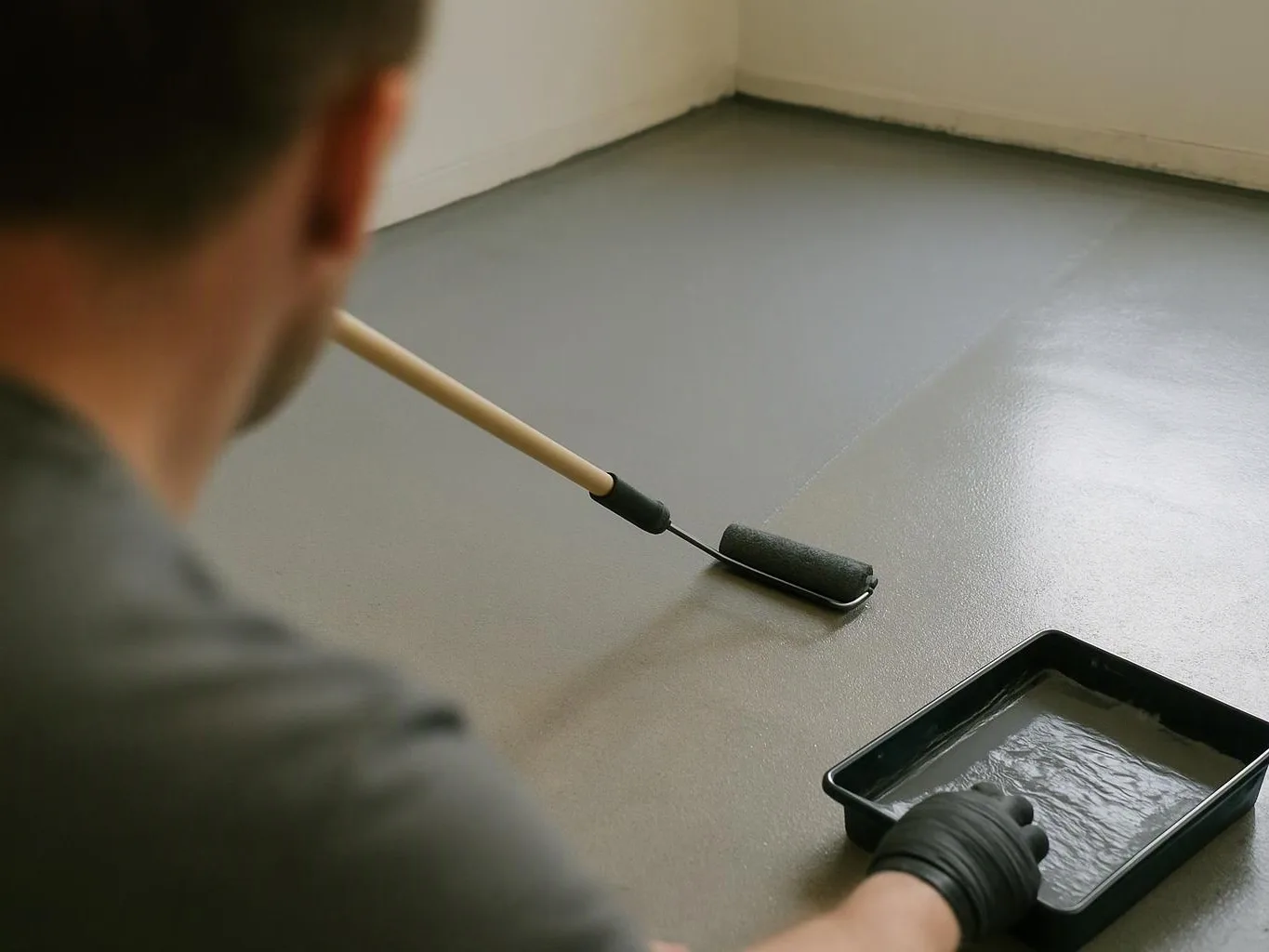
How to Clean Painted Walls and Handle Interior Paint Touch-Ups
Painted walls stay intact when you dust first, use a soft damp cloth, and avoid harsh scrubbing or excess water. At Painter-Bellevue-Wa.com, we recommend testing the cleaning method, then matching sheen and blending small touch-ups carefully.
Get a Free Estimate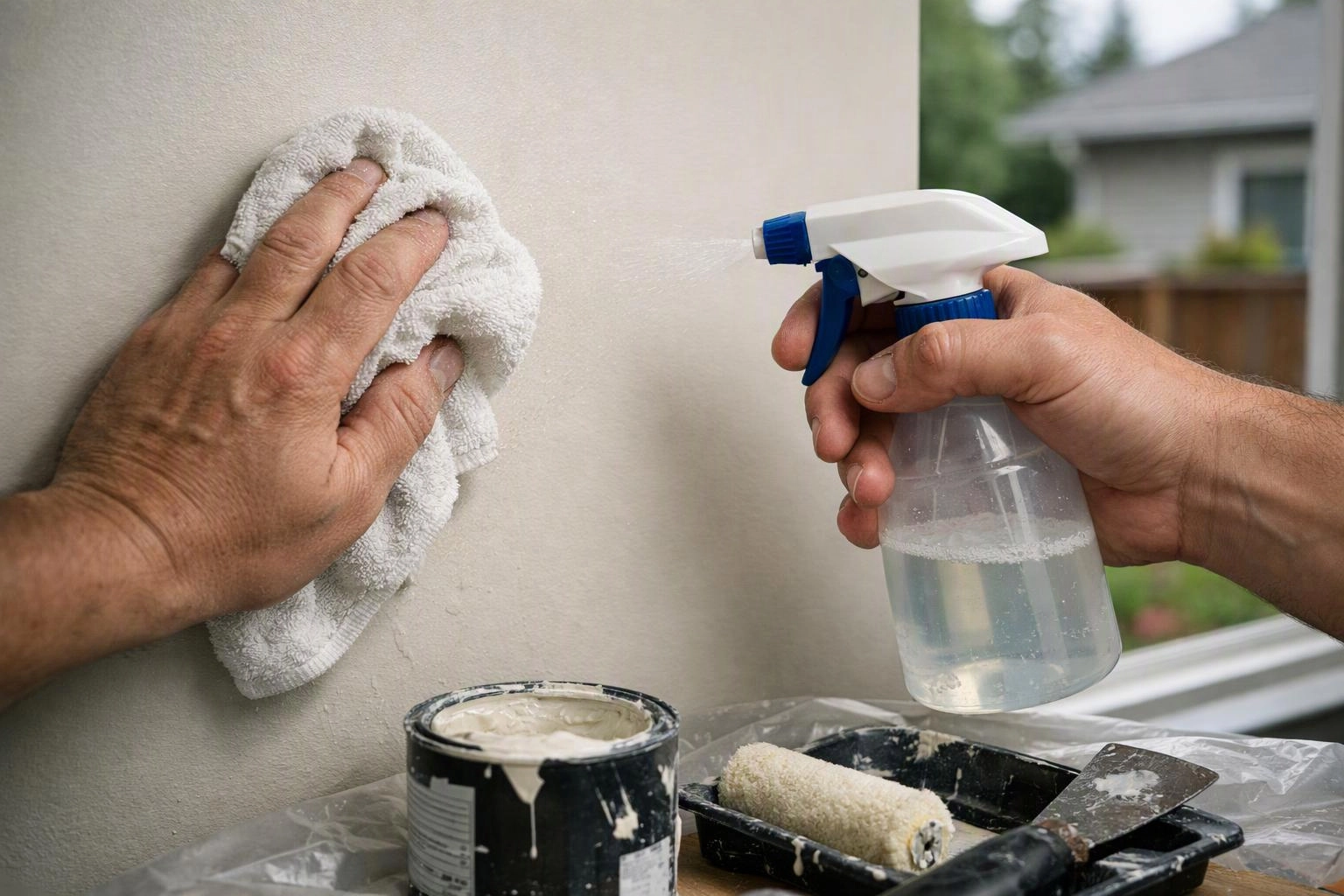
What Should You Check Before Cleaning Painted Walls?
Painted walls should be checked for finish, loose paint, stains, and surface damage before wet cleaning begins.
Paint sheen affects how much scrubbing a wall can handle. Matte finishes can mark easily, while eggshell and satin finishes often tolerate gentle wiping better.
We check the paint type, wall surface, and visible dust before choosing a method. Surface damage, loose paint, or deep wall stains need care before water reaches the area.
How Do You Clean Painted Walls Without Removing Paint?
Clean painted walls by removing dust first, using a lightly damp soft cloth, rinsing gently, and drying the surface.
Excess water can soften paint edges and reach drywall seams. Stop if paint transfers to the cloth or the surface begins to look uneven.
Which Cleaning Tools and Products Are Safest?
Microfiber cloths, nonabrasive sponges, mild detergent, and clean water are usually the safest choices for painted surfaces.
Abrasive cleaner can dull the wall finish and leave scratches. Avoid harsh chemicals, including bleach, unless the paint manufacturer specifically allows them.
A magic eraser can remove marks, but its abrasive surface may remove paint or create a shiny patch. Use the mildest method first and test a hidden area.
How Should You Handle Stains, Scuffs, and Grease?
Stains and scuff marks should be treated with the mildest method that removes them without damaging the paint film.
Fingerprints, food stains, and light grease often respond to mild soap and a soft cloth. Crayon marks may need gentle spot cleaning, but repeated rubbing can change the sheen.
Water stains can point to wall damage or a moisture source. We check the surface before cleaning when staining returns, spreads, or affects drywall.
When Does a Painted Wall Need a Touch-Up?
Interior paint touch-ups are needed when cleaning can’t remove the mark or when paint is chipped, faded, or damaged.
Small nail holes, patched drywall, chipped paint, and flaking paint can all need new paint. A touch-up may also help when a wall has faded from light or routine use.
Color mismatch is a warning that the stored paint has aged or the wall has changed. We check the existing finish before applying spot paint.
How Do You Match and Blend Interior Paint Touch-Ups?
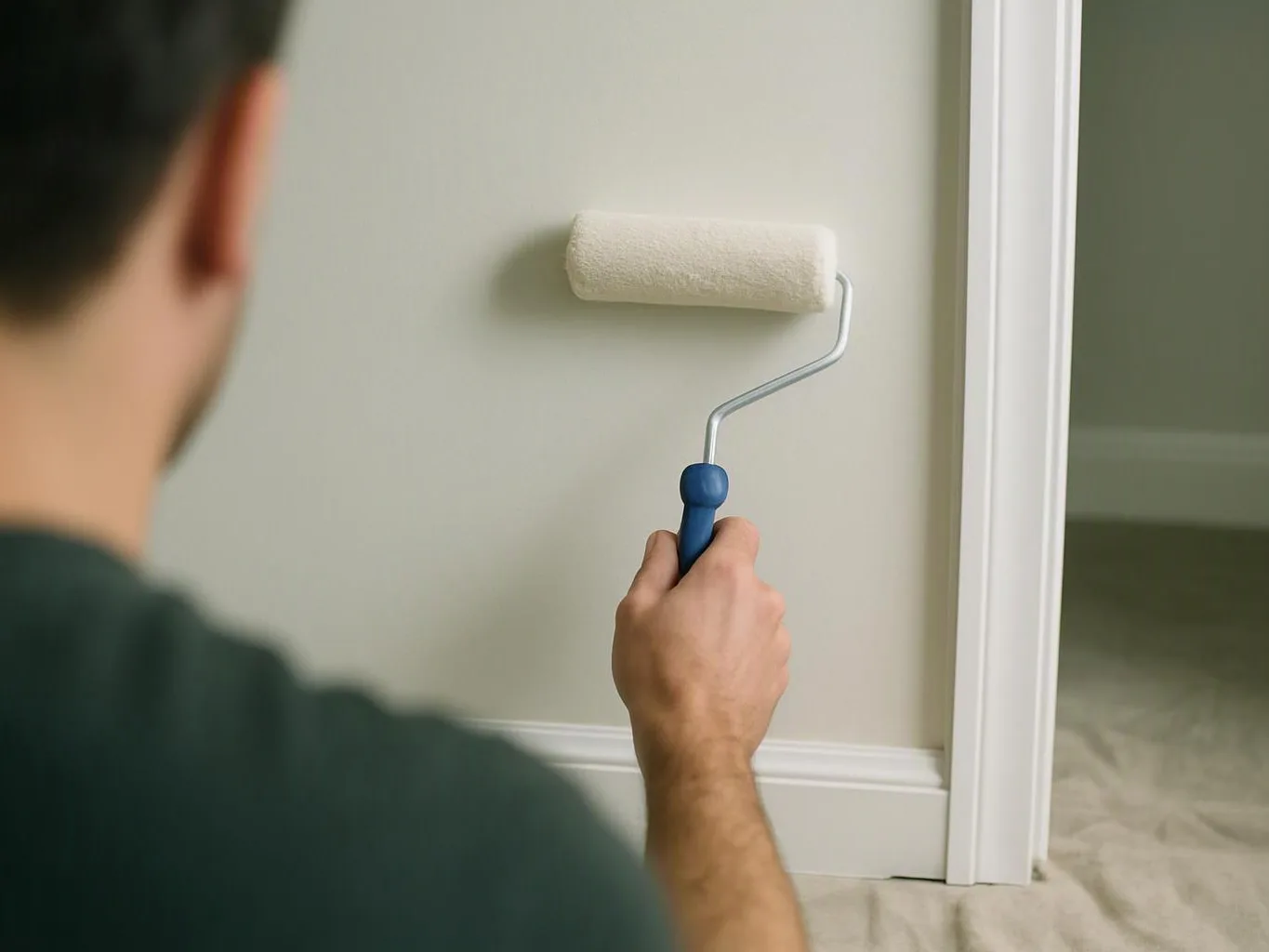
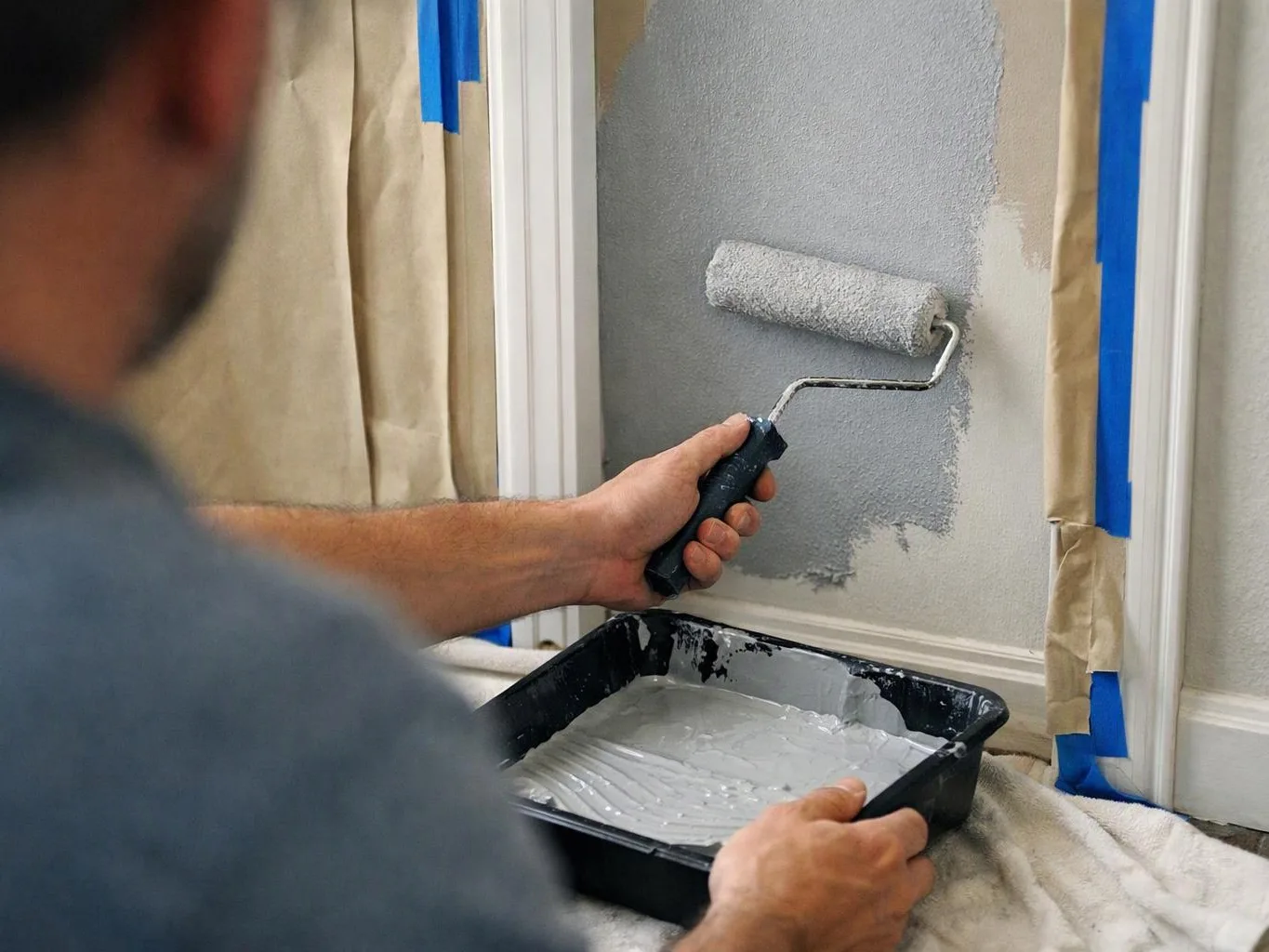
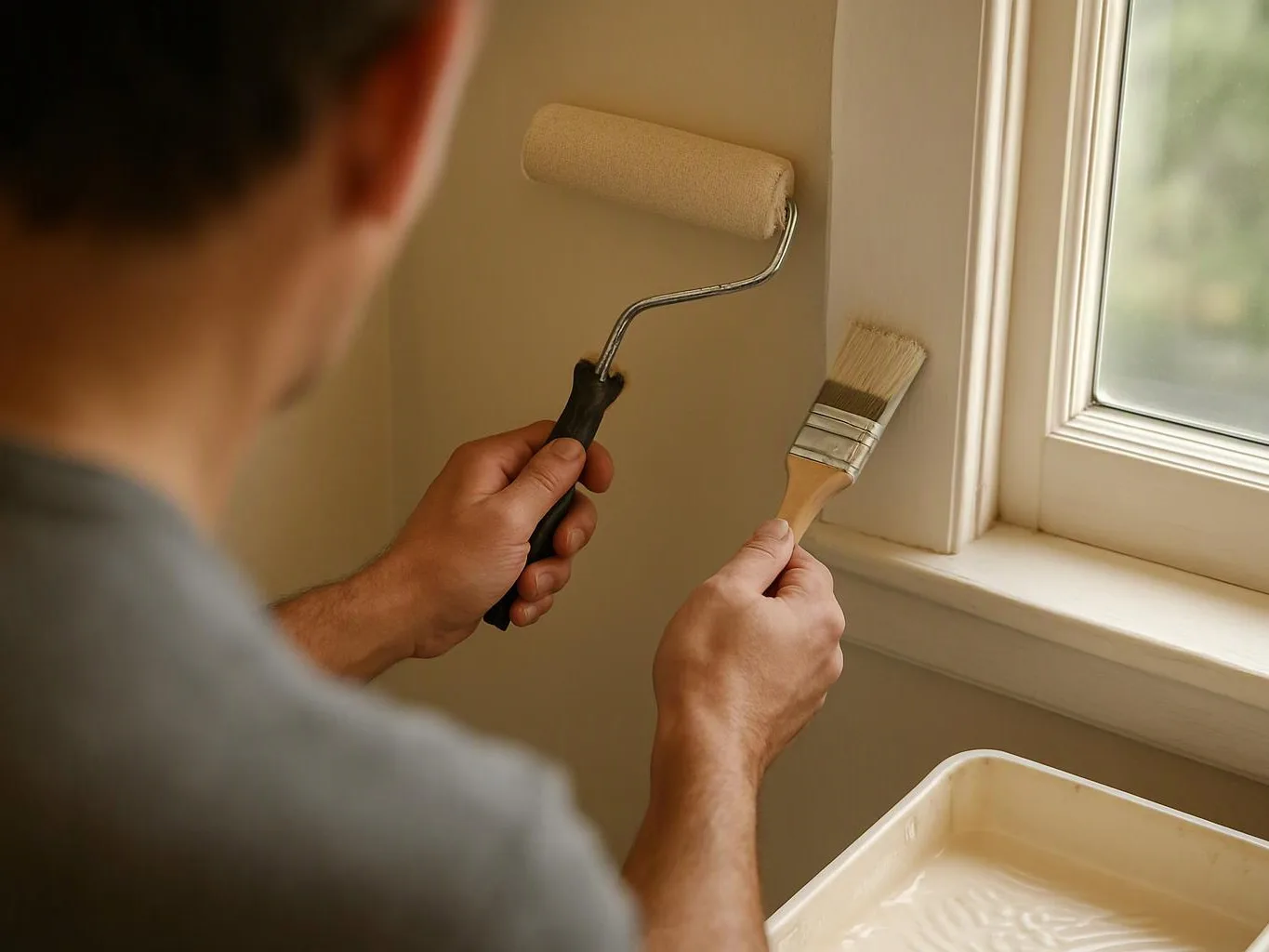
Interior paint touch-ups blend best when the color, sheen, surface preparation, and application method match the existing wall.
We test the color and sheen in an inconspicuous area when the match is uncertain. Larger faded areas may need broader painting for an even result.
When Is Drywall Repair Needed Before Painting?
Drywall repair is needed before painting when cracks, holes, loose material, or uneven texture can show through the new coat.
We use joint compound to fill suitable holes and smooth damaged areas. Sanding creates a level surface, but the repair must still match the surrounding drywall texture.
Patched areas should receive primer before touch-up paint. Primer helps seal the repair and supports reliable paint adhesion.
What Wall-Care Actions Belong on Your Maintenance Timeline?
Painted wall maintenance works best when cleaning, drying, and touch-up inspection happen in a clear order.
The timeline below helps protect the wall finish after cleaning or small paint repairs.
| Time period | Required actions |
|---|---|
| Immediate | Remove residue, check for paint transfer, and dry the surface with a clean cloth. |
| First Week | Inspect cleaned or touched-up areas for streaks, sheen changes, and loose paint. |
| First Month | Check repaired areas for cracks, raised texture, or visible color difference. |
| Ongoing | Dust gently, clean new marks early, and inspect wall stains before they spread. |
What Warning Signs Show That Cleaning or Touch-Up Work Went Wrong?
Paint transfer shows that the wall surface may have been too wet, too weak, or scrubbed too hard.
Check the wall again if any of these warning signs appear:
These signs can point to surface preparation, paint matching, or adhesion problems. We inspect the wall before adding more paint.
How We Check Walls Before Interior Painting or Touch-Ups
Interior painting starts with checking the wall surface, existing finish, and areas that need repair.
Our team reviews drywall texture, surface preparation, and paint adhesion before choosing a coating method. We also compare paint color and sheen so the new work fits the existing wall.
Drywall texturing may be needed when a repair has a different pattern from the surrounding surface. We prepare and prime patched areas before applying the topcoat.
For planned work, request a quote through Interior Painting. Our estimate considers the wall condition, repair needs, paint matching, and finish requirements.
Questions About Painted Wall Cleaning and Touch-Ups
Can you use a Magic Eraser on painted walls?
Yes, but a Magic Eraser should be tested carefully because its abrasive surface can remove paint or change the sheen.
Why does paint come off when I wipe my wall?
Paint can come off when the finish is weak, the wall is damp, or the cleaning pressure is too strong.
How do you remove fingerprints from painted walls?
Fingerprints usually come off with a lightly damp soft cloth and mild soap, followed by gentle rinsing and drying.
Can you touch up paint without repainting the whole wall?
Yes, small paint touch-ups can work when the color, sheen, texture, and surface preparation match the existing wall.
Why does a wall touch-up look shiny?
A wall touch-up can look shiny when the new paint has a different sheen or the area was rubbed during cleaning.
Should drywall patches be primed before touch-up paint?
Yes, drywall patches should be primed before touch-up paint to seal the repair and support even paint adhesion.