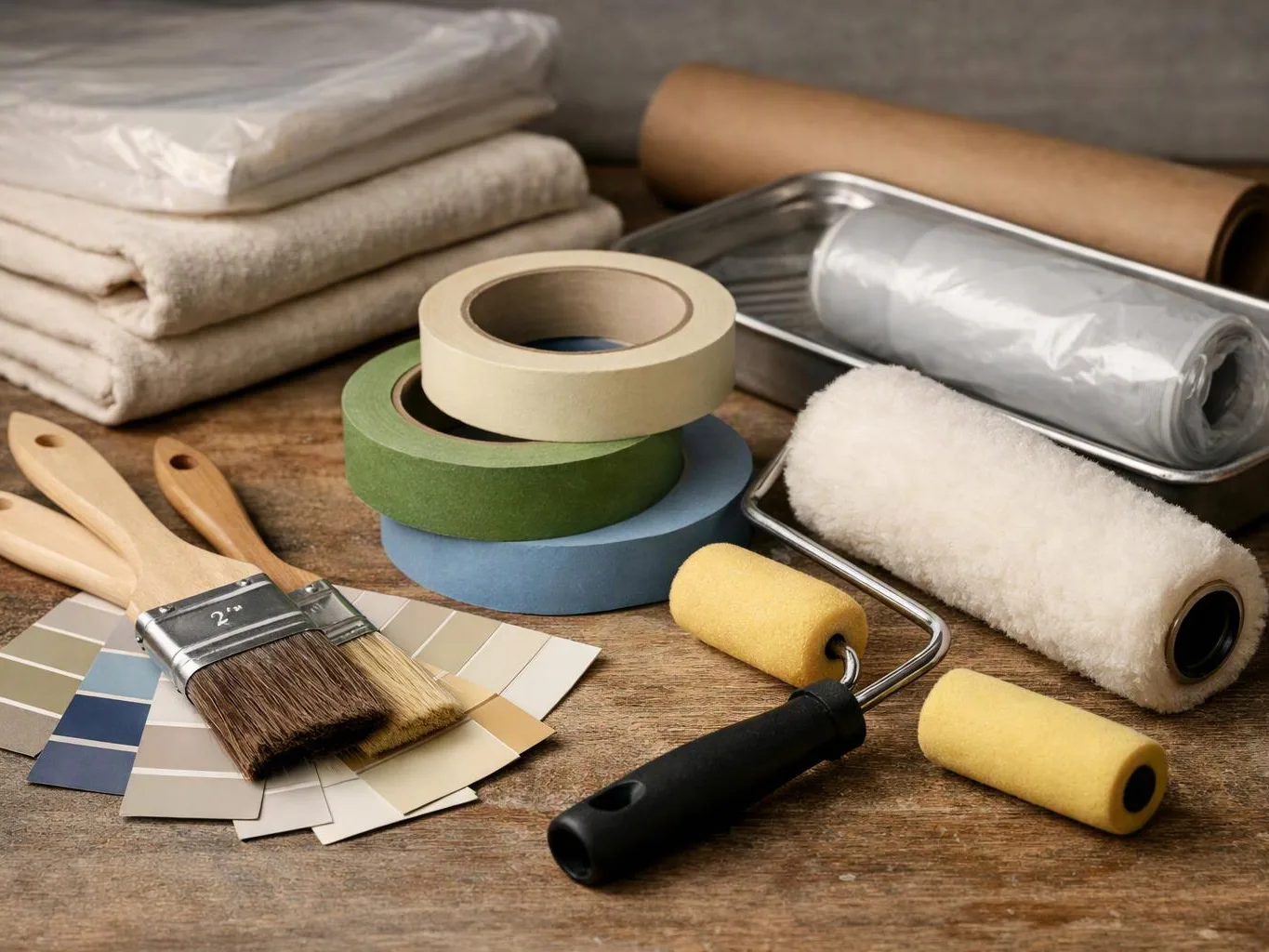
When Interior Wall Wear Is More Than a Cleaning or Touch-Up Job
Interior walls need repainting when damage is widespread, keeps returning, or prevents a clean touch-up. Thomas J. Painting checks the wall condition, prepares the surface, and recommends the right interior painting approach.
Get a Free EstimateHow to Tell When Interior Walls Need Repainting
Interior walls usually need repainting when surface damage covers broad areas, returns after cleaning, or makes spot repairs visible.
Small, clean marks may only need wall cleaning. We look for the difference between surface dirt and a failing paint coating before recommending work.
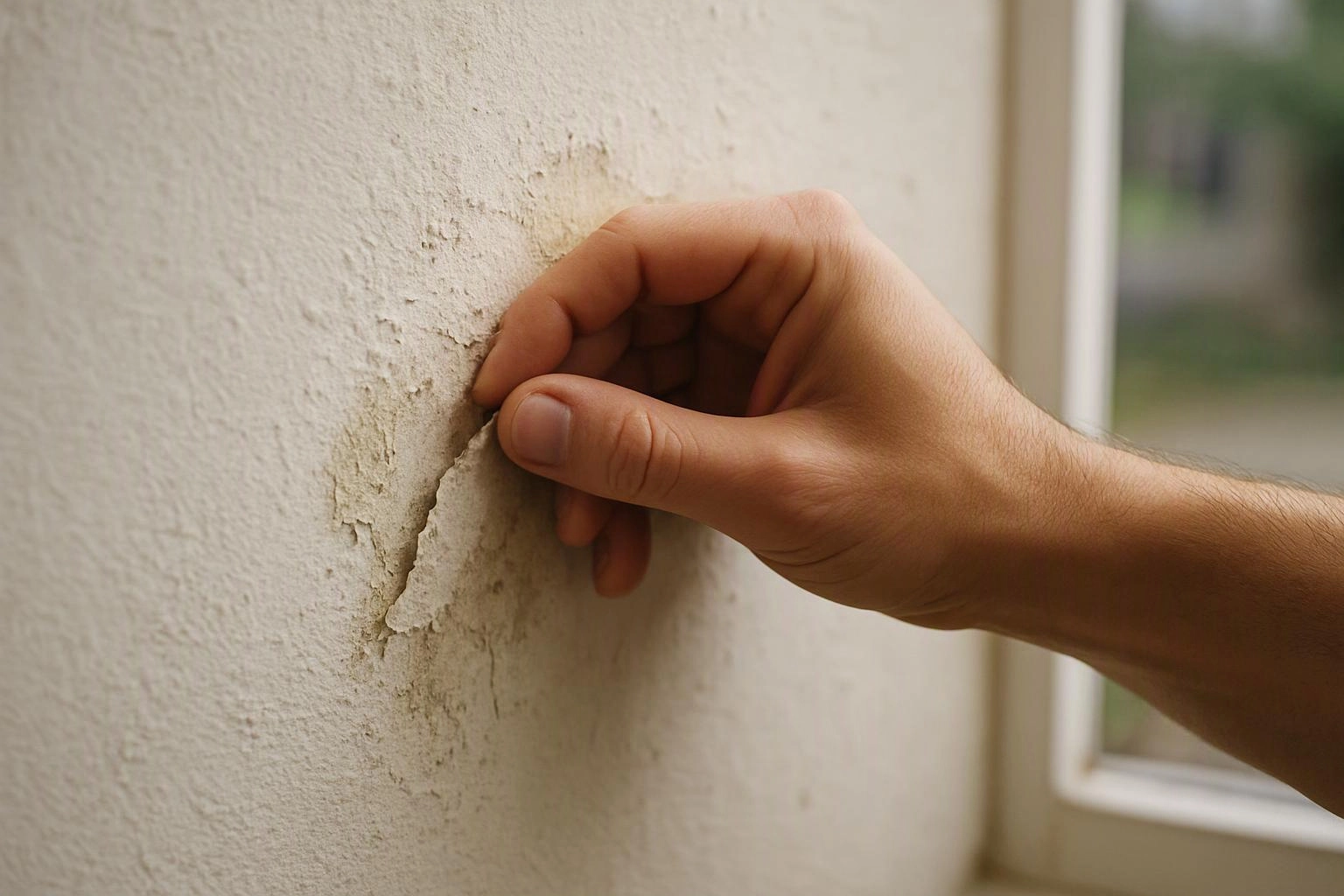
Warning Signs Your Walls Need More Than a Touch-Up
These signs show that interior wall maintenance may require broader surface repair and repainting.
What Widespread Peeling or Flaking Paint Means
Widespread peeling or flaking paint means the coating has lost adhesion or the wall has an underlying surface problem that touch-up paint won't solve.
Weak paint adhesion can result from poor surface preparation, incompatible coatings, or moisture damage. We remove unstable material and check the wall before applying new paint.
When Cleaning a Marked Wall Is Still Enough
Cleaning is still enough when marks are limited to surface dirt and the paint remains bonded, even, and intact.
Washable paint often handles light wall marks and small scuff marks. Use a gentle method first, and stop if the paint finish changes, softens, or starts to lift.
We recommend repainting when cleaning removes the mark but leaves a dull spot or visible color change.
Why Repeated Stains and Repairs Point to Repainting
Repeated stains or repairs are a reason to repaint when the wall keeps showing damage or patched areas no longer blend with the surrounding finish.
Water marks may point to a continuing moisture source. We identify the repair area, prepare it, and use primer when needed to improve paint coverage.
Visible patch repairs can also result from changes in texture, color, or sheen. A broader repaint helps create a more consistent surface.
What We Check Before Repainting Interior Walls
We check the wall condition before choosing a repair method or paint finish. Our review helps separate a coating issue from damage inside the wall surface.
DIY Wall Care vs Calling Thomas J. Painting
Simple wall care may suit small, stable marks, while broader damage needs careful preparation. The table shows where our work adds value.
| Factor | What you can do yourself | What we do |
|---|---|---|
| Wall cleaning | Clean limited surface dirt with a gentle method. | Assess whether cleaning may affect the existing paint finish. |
| Minor touch-up | Try a small repair when the wall is intact and the color is known. | Review color matching and sheen before spot work. |
| Surface repair | Handle small, reachable cosmetic marks when the surface is stable. | Prepare peeling, cracked, patched, or uneven areas for repainting. |
| Interior painting | Choose supplies and protect nearby items for a small project. | Plan wall preparation, paint application, coverage, and final checks. |
Our Interior Painting service is suited to walls that need more than simple cleaning or isolated touch-up work.
How We Prepare and Repaint Worn Interior Walls
Our repainting process follows the wall condition, the existing coating, and the finish you want. Each step supports stronger adhesion and cleaner coverage.
How the Wall Condition Shapes Your Interior Painting Plan
Wall damage shapes the interior painting plan by changing the preparation, color, sheen, and paint coverage required.
Heavy repairs may need more preparation before new wall paint can look even. Room use also matters because busy areas may need a finish that handles regular cleaning.
We include the needed preparation and finish details in an interior painting quote. The wall condition, room size, access, and selected products help determine the work involved.
Plan the Right Fix for Worn Interior Walls
Interior painting is the right fix when cleaning cannot restore the surface or touch-up work stays visible.
We can assess peeling paint, recurring wall stains, faded areas, and repeated repairs. Our team will explain whether the wall needs cleaning, surface repair, repainting, or a combination of these steps.
Thomas J. Painting offers Free Consultations to help you plan the right work for your interior walls. Contact us to discuss your walls.
Questions About Repainting Worn Interior Walls
Can you paint over peeling interior wall paint?
Thomas J. Painting doesn't paint over unstable peeling paint without proper preparation. We remove loose coating, address surface problems, and prepare the wall before repainting.
How do you know if a wall stain needs more than paint?
A wall stain needs more than paint when it returns, spreads, or points to a moisture source. We check the surface and recommend preparation that supports lasting coverage.
Will touch-up paint hide repeated wall repairs?
Touch-up paint may not hide repeated wall repairs when texture, color, or sheen has changed. Repainting a broader area usually creates a more even result.
Should you clean or repaint scuffed walls?
You should clean scuffed walls when the marks are limited and the paint remains intact. Repainting is better when cleaning changes the finish or leaves the scuffs visible.