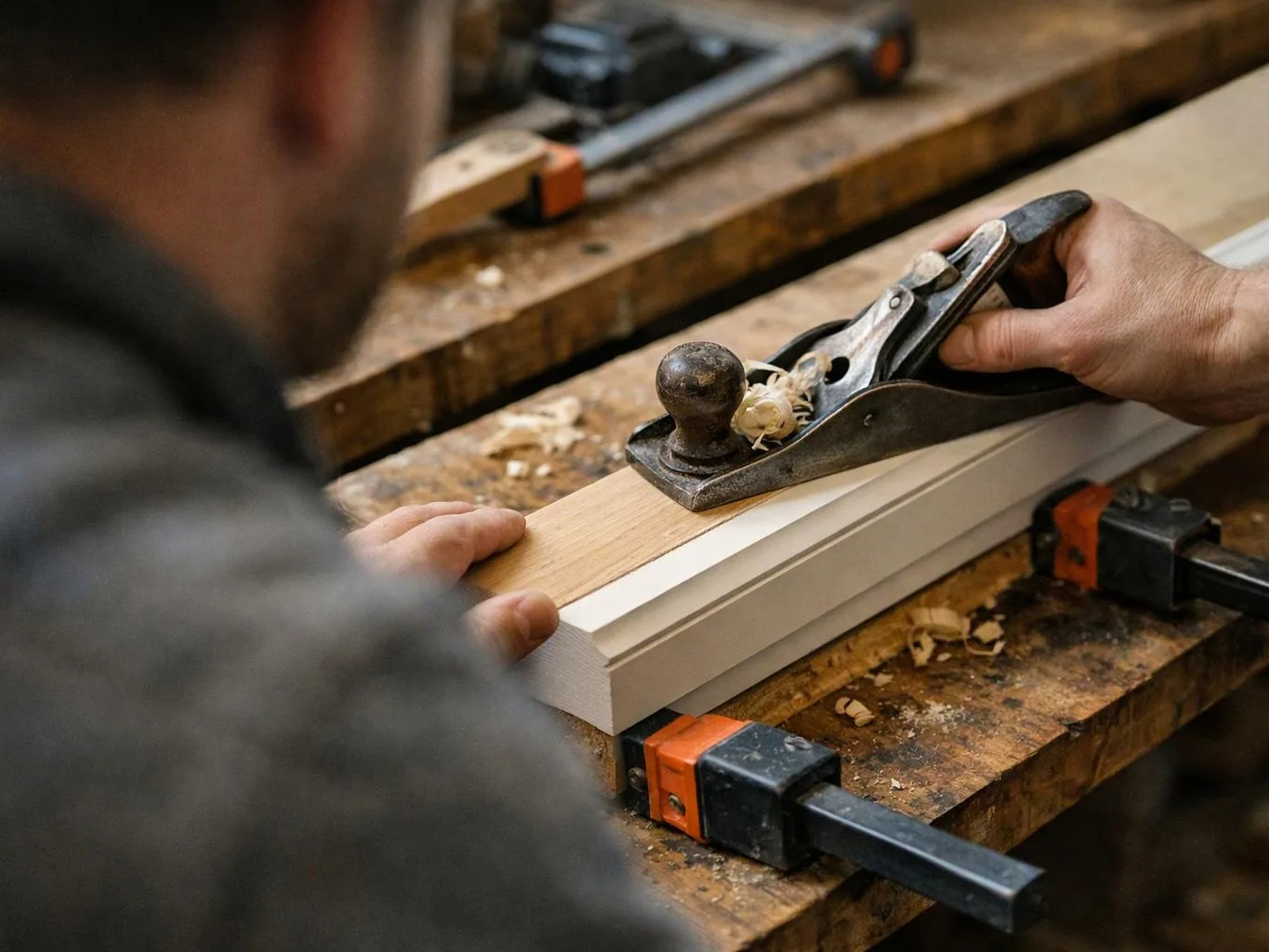
When Chipped Cabinet Paint Needs More Than a Small Touch-Up
Chipped cabinet paint needs repainting when damage is widespread, keeps peeling, exposes damaged material, or follows moisture and adhesion problems. Thomas J. Painting checks the surface, prepares the cabinets, and recommends touch-up or full repainting based on the damage.
Get a Free EstimateWhat Causes Cabinet Paint to Chip and Peel?
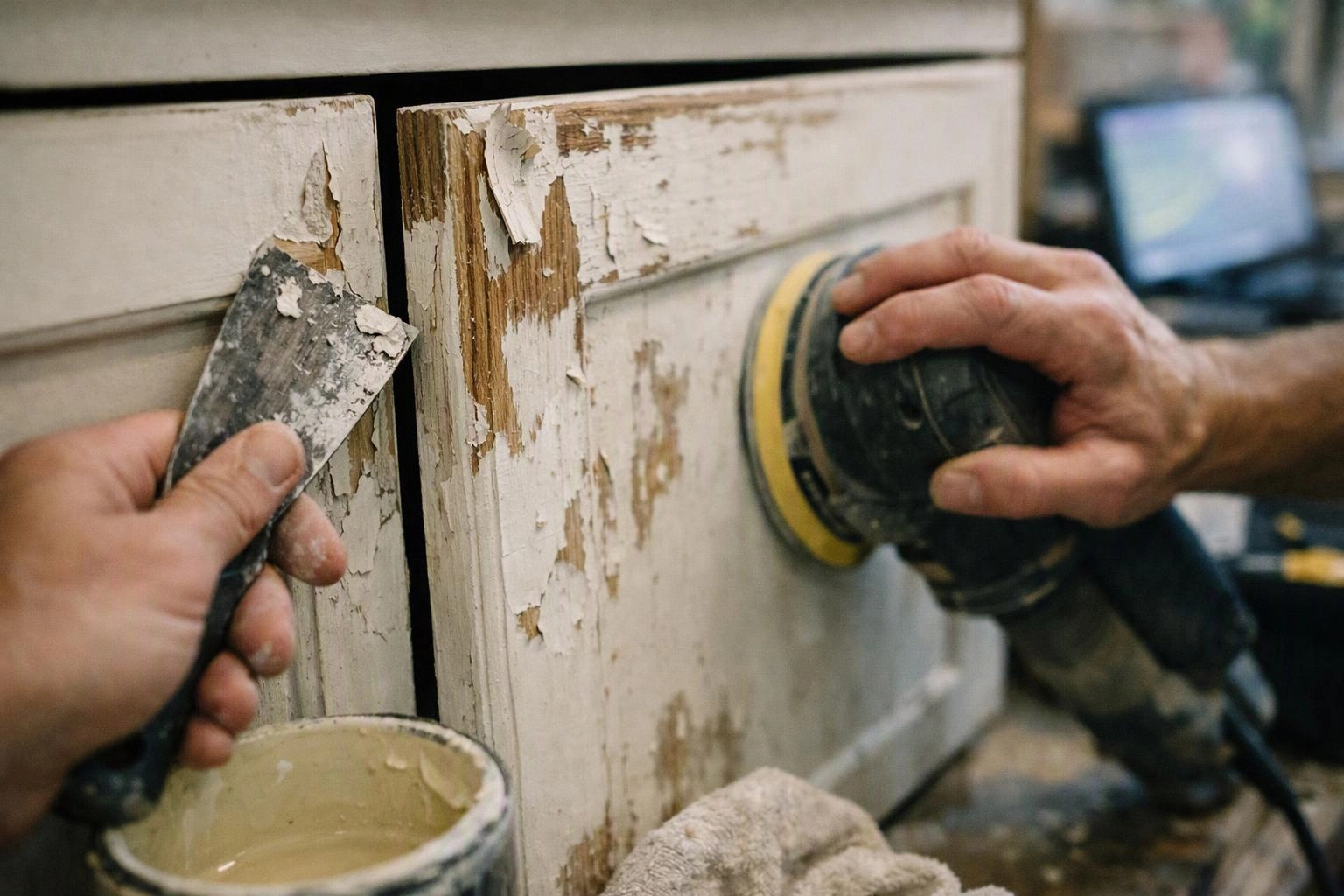
Cabinet paint chips and peels when poor adhesion, repeated contact, moisture, grease, or surface movement weakens the coating.
Cabinet doors and cabinet drawers receive regular handling. Handles and hinges can add friction when hardware moves or doors sit out of alignment.
Grease buildup can stop new paint from bonding well. Cleaning products may also soften or wear the paint layer when used often. Moisture around sinks and dishwashers can create moisture damage beneath the coating.
We inspect the affected areas to identify the cause before recommending cabinet repainting. That check helps us address the surface problem, not only cover the visible chip.
Signs Cabinet Paint Needs More Than a Touch-Up
Cabinets need more than a touch-up when chipped paint is widespread, returns after repair, or shows surface damage beneath the coating.
These warning signs show when spot repair may not hold. We use the full surface condition to guide the repainting decision.
When Can a Small Cabinet Paint Repair Work?
A small cabinet paint repair can work when the chip is isolated and the surrounding coating remains firmly attached.
A paint touch-up suits a small, stable chip with clean edges. The nearby paint must not lift, crack, or feel loose.
We clean the spot, use light sanding where needed, and match the existing paint. Good surface cleaning and paint adhesion matter more than simply adding another coat.
A touch-up may remain visible when the old paint has faded or the finish has changed. In that case, we may recommend repainting the full door, drawer front, or affected section for a more even result.
Why Cabinet Paint Peels Near Handles and Hinges
Cabinet paint often peels near handles and hinges because repeated contact, friction, oils, and door movement wear down the coating.
Cabinet handles create high-touch areas where hand oils and pressure build up. Cabinet hinges can also rub against nearby edges when doors move.
Door alignment affects edge wear. A door that shifts or closes tightly can scrape the paint layer each time it moves.
We check the hardware, contact points, and nearby coating before painting. Our team removes loose paint and prepares the area so the new finish has a sound base.
How We Prepare Cabinets for Repainting
Our team prepares cabinets for repainting by checking the damage, cleaning the surface, removing loose coating, and building a sound base for new paint.
Cabinet preparation controls how well the new coating bonds. We match the preparation to the condition of the doors, drawers, frames, and edges.
What Changes the Scope of Cabinet Repainting?
The scope of cabinet repainting depends on the amount of damaged paint, the condition of the cabinet surface, and the preparation the coating needs.
Paint damage extent affects whether we address one spot, several doors, or the full cabinet set. The number of affected doors and drawers also changes the work involved.
Old coating adhesion matters because loose paint must be removed before new paint can bond. Moisture exposure may require extra repair preparation when the material beneath the paint has changed.
The selected paint finish can also affect the final plan. We discuss the desired appearance and match the coating to the cabinet surface.
DIY Touch-Up or Calling Us for Cabinet Repainting?
You can handle an isolated, stable chip, while Thomas J. Painting handles widespread damage, failing adhesion, and repainting that needs thorough preparation.
The right choice depends on the coating around the chip. Use the comparison below to decide whether the surface needs a small repair or a broader service.
| Factor | What you can do yourself | What we do |
|---|---|---|
| Small isolated chip | Clean the spot and consider a careful paint touch-up when nearby paint is firm. | We assess the surrounding coating and recommend spot repair or broader work. |
| Loose coating | Avoid painting over lifting or peeling areas. | We remove loose paint, smooth the surface, and prepare it for new coating. |
| Paint matching | Use the closest available match for a small repair. | We evaluate the existing color and finish before repainting. |
| Widespread damage | Document the affected areas and avoid covering deeper damage. | We plan cabinet repainting around the damaged doors, drawers, frames, and edges. |
How to Decide Between Touch-Up and Full Repainting
Choose a touch-up for isolated damage with sound surrounding paint, but choose full repainting when the coating keeps failing or the damage covers multiple surfaces.
The touch-up decision depends on paint failure and surface condition. A stable chip may need only a small repair, while peeling across several areas points to a larger preparation issue.
Full cabinet repainting can create a more even cabinet appearance when color, sheen, and adhesion vary across the room. It also supports ongoing cabinet maintenance by addressing weak coating before more areas fail.
We review the damaged surfaces and explain which scope fits the condition. Our Cabinet Painting service can cover focused repairs or a broader recoating plan.
Get a Cabinet Paint Assessment
Free Consultations give homeowners a clear way to discuss cabinet damage, preparation needs, and the repainting scope with our team.
We can review paint chipping, peeling cabinet paint, exposed material, and moisture concerns. Our assessment helps connect the visible damage with the preparation needed for a durable cabinet finish.
Thomas J. Painting provides cabinet painting service with a clear plan for the affected doors, drawers, frames, and edges. Request an assessment through our contact page.
Questions About Chipped Cabinet Paint
Can moisture cause painted cabinets to chip?
Yes, moisture can weaken cabinet paint and damage the material beneath it. Thomas J. Painting checks for swelling, soft areas, staining, and weak adhesion before selecting the repair scope.
Why does new paint peel from cabinet doors?
New paint peels from cabinet doors when grease, moisture, loose coating, or poor surface preparation blocks strong adhesion. We remove unstable paint, prepare the surface, and use primer where the base needs support.
Can cabinet paint be repaired without removing the doors?
Yes, some isolated cabinet paint repairs can be completed without removing the doors. The choice depends on access, damage location, hardware, and the finish needed for an even result.
Does chipped paint mean the cabinet material is damaged?
Chipped paint doesn't always mean the cabinet material is damaged. We check the exposed area for swelling, softness, cracks, and moisture damage before recommending touch-up or full repainting.