What to Prepare Before Requesting a Painting Estimate
Painting contractor estimate preparation requires project details, property conditions, access information, and written-scope questions. Thomas J. Painting uses these details to review the work clearly and provide a more useful estimate. Prepare your surface concerns, color plans, and access notes before the estimate visit.
Get a Free EstimateOptions at a Glance
Estimate preparation changes with the type of painting project. Interior work centers on rooms, furniture, and finish choices. Exterior work centers on access, weather exposure, and repairs.
What Information Should You Gather Before Requesting an Estimate?
The project scope, affected surfaces, property condition, access limits, and preferred timing give us the clearest starting point for an estimate.
Good estimate preparation helps us separate painting work from repair work. It also helps us plan surface preparation, paint coverage, and site protection.
Describe the Areas You Want Painted
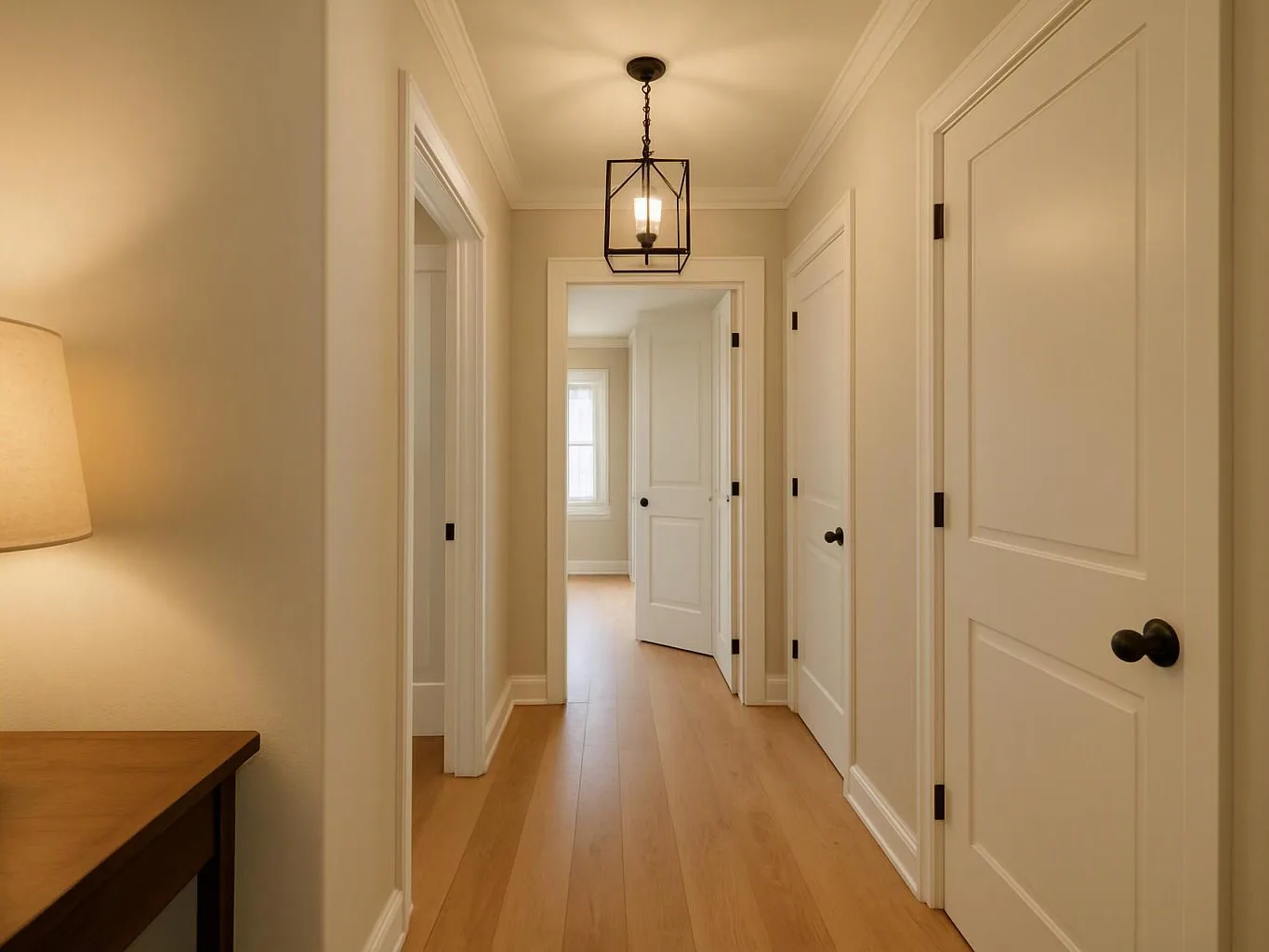
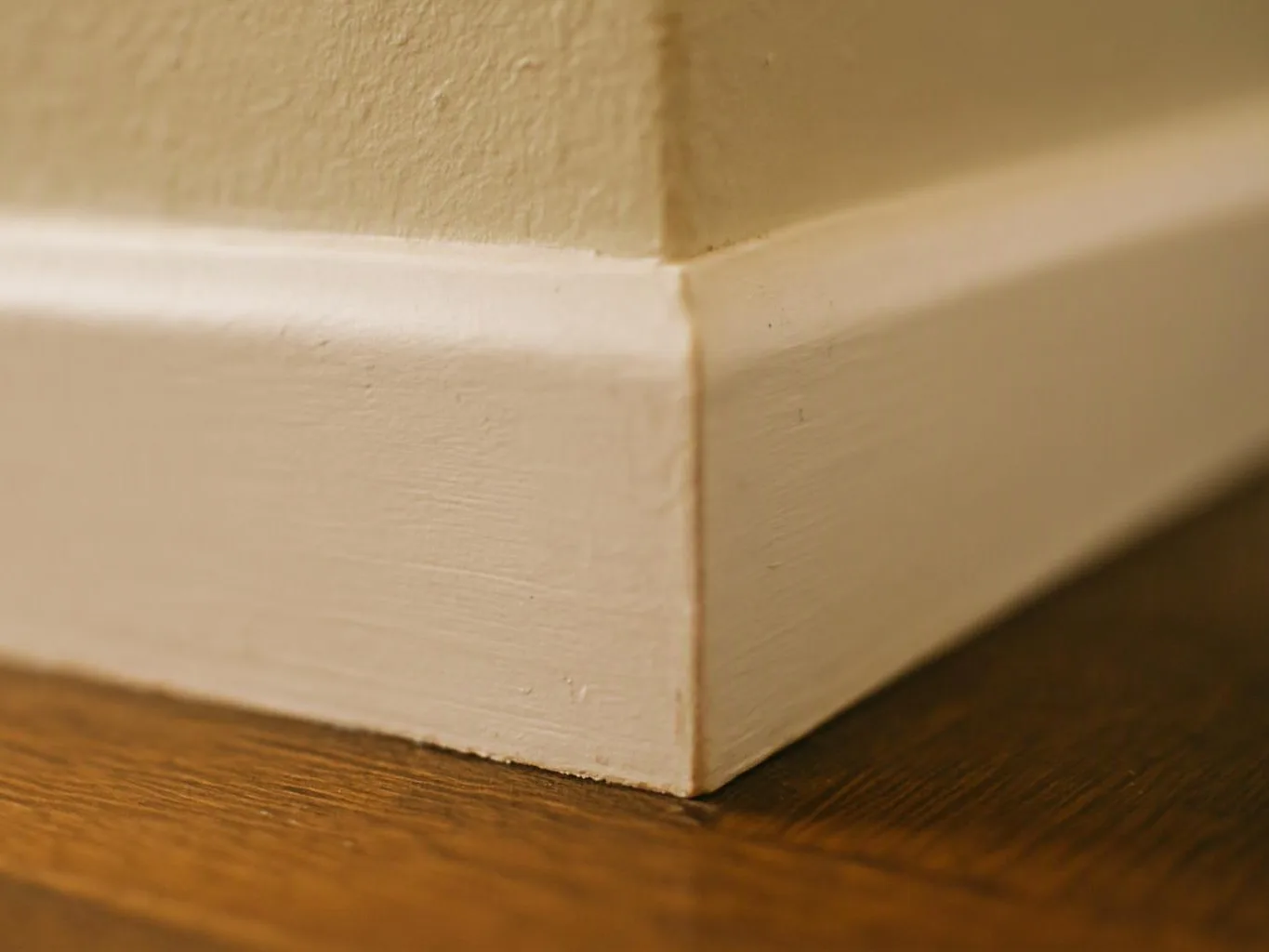
Interior painting estimates need clear details about walls, ceilings, trim, and doors. Tell us whether you want one room, connected living spaces, or a broader color update.
Exterior painting estimates need the material and location of each surface. Describe siding, trim, doors, decks, and other exposed areas. Cabinet painting and deck staining also need their own scope because preparation and coatings differ.
If you’re planning interior work, our Interior Painting service page explains the service in more detail.
Record Surface Problems and Previous Coatings
Surface problems affect the preparation plan and the final coating result. Write down peeling paint, cracks, holes, water stains, wood rot, or areas that feel weak.
We review these conditions before defining surface preparation. Water damage, structural concerns, or unsafe areas may need attention outside the painting scope before coating begins.
What Does a Painting Contractor Look At During an Estimate?
We inspect the surfaces, preparation needs, access conditions, materials, and surrounding areas before defining the painting work.
Surface condition affects prep work, repairs, primer needs, and paint coverage. Material type also matters because wood, stucco, drywall, metal, and existing coatings accept paint differently.
We review furniture, landscaping, height, ladder access, and weather exposure. These access conditions help us plan site protection, safe work areas, and the right coating approach.
Interior Painting Estimate Factors
Interior painting estimates focus on wall condition, ceiling height, trim, doors, and the amount of furniture movement required.
Color changes can affect primer and the number of coats needed for even coverage. We also plan floor protection and furniture protection around occupied living spaces.
Tell us whether rooms will remain occupied during the work. Our team uses that information to discuss access, protection, and project priorities.
Exterior Painting Estimate Factors
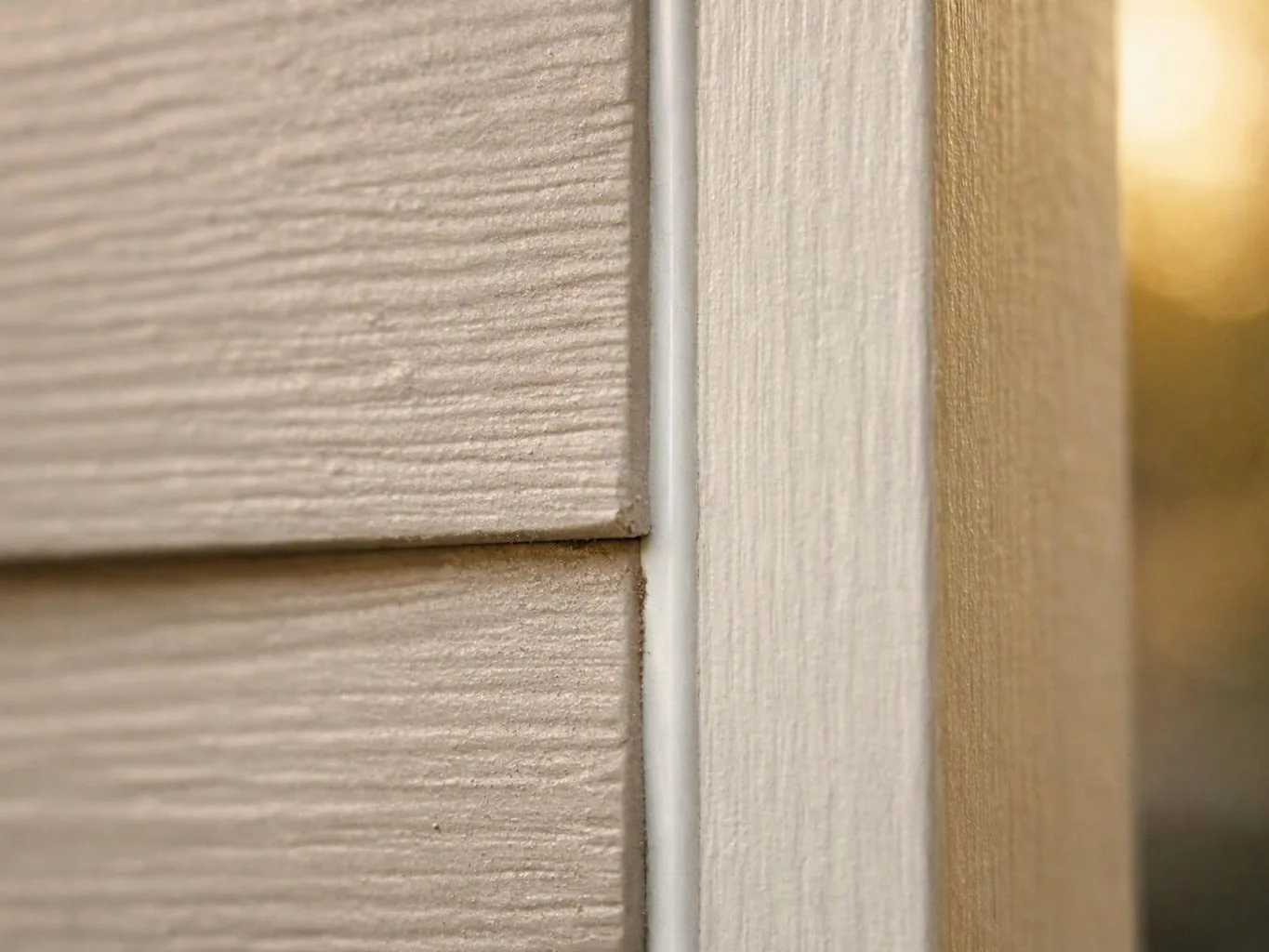
Exterior painting estimates focus on siding, stucco, wood, peeling paint, caulking, ladder access, and weather exposure.
We check how landscaping, fences, porches, and other features affect access. Height may also affect the equipment and site protection needed for the work.
Weather can affect coating conditions and maintenance planning. We review exposed surfaces and recommend a work plan that fits the property condition.
Cabinet and Deck Staining Estimate Factors
Cabinet painting and deck staining estimates depend on the existing finish, material condition, and preparation needs.
For cabinets, we review doors, drawers, hardware, wood species, and the existing finish. These details affect cleaning, sanding, masking, primer, and coating choices.
For decks, we review deck boards, railings, stain absorption, and wood preparation. Damaged boards or railings may need repair before staining can begin.
What Changes the Cost of This Painting Project?
The project cost changes with the work area, surface condition, preparation, coating requirements, repairs, and access difficulty.
Square footage helps define the work area, but it does not tell the full story. Wall height, trim, doors, cabinetry, and difficult access can add labor and protection needs.
Coating type, primer, number of coats, and color change also affect the scope. We review material selection and repair needs before preparing a written estimate.
To obtain an exact quote, share the project details and arrange a review with Thomas J. Painting. The written scope should explain what the estimate includes.
Interior and Exterior Painting: Which Estimate Details Differ?
Interior and exterior estimates use the same scope-first process, but exterior access, weather exposure, and surface repairs create different planning needs.
The table compares the main planning factors. Actual scope depends on the property, materials, surface condition, and selected coatings.
| Factor | Interior painting | Exterior painting | Key planning difference |
|---|---|---|---|
| Cost drivers | Rooms, ceilings, trim, furniture, colors, and wall repairs | Siding, height, access, caulking, weather, and wood repair | Exterior access and exposure can create different preparation needs |
| Project timeline | Affected by room access, furniture movement, coats, and occupancy | Affected by weather, access equipment, repairs, and coating conditions | Exterior work needs suitable weather and stable access |
| Maintenance | Touch-ups, marks, color wear, and changing room use | Weather exposure, moisture, fading, caulking, and surface wear | Exterior surfaces usually face more environmental stress |
| Best use | Living spaces, color updates, ceilings, walls, trim, and doors | Siding, trim, exterior protection, and curb appeal | Choose the scope that matches the surfaces needing attention |
Interior Painting Advantages and Best Fit
Interior painting suits projects where controlled rooms, updated colors, and clean living spaces are the main goals.
Best for: homeowners planning interior walls, ceilings, trim, doors, or coordinated color changes.
Exterior Painting Advantages and Best Fit
Exterior painting suits projects where siding, trim, weather exposure, and exterior protection need attention.
Best for: homeowners planning siding, trim, curb appeal improvements, or exterior maintenance.
What Should a Written Painting Estimate Include?
A written painting estimate should identify the surfaces, preparation, products, coating work, exclusions, protection, cleanup, and any conditions that could change the scope.
A clear document helps you understand what we will do and how the work will be checked. It also gives both sides a shared written scope.
How Can You Make the Estimate Visit More Productive?
You can make the estimate more productive by preparing access details, project priorities, color questions, and known surface concerns.
Clear information helps us review the right areas and address practical limits early. It also helps you focus on the parts of the written scope that matter most.
You can also send clear photos before the visit. Photos should show the full area, close views of damage, and any access limits.
How We Turn Your Project Details Into an Estimate
Thomas J. Painting reviews the property, confirms the scope, identifies preparation needs, and provides a written estimate; we offer Free Consultations.
Our team uses the site review to connect visible conditions with the work plan. We discuss surface preparation, repairs, paint products, protection, and cleanup before documenting the scope.
When you’re ready to discuss an interior painting service, contact Thomas J. Painting for a Free Consultation and a clear written scope.
Questions About Preparing a Painting Estimate
Should I choose paint colors before requesting an estimate?
Yes, preferred colors can make the estimate review more specific, but final color decisions aren't always required. Share your ideas with Thomas J. Painting so we can discuss color changes, coating needs, and the written scope.
Do I need to move furniture before a painting estimate?
No, you don't need to move all furniture before the estimate. Show us the room as it normally sits, and tell us which items can move and which need protection.
What photos should I send for a painting estimate?
Send wide photos of each area and close photos of peeling paint, cracks, holes, stains, rot, or difficult access. Include photos of gates, stairs, landscaping, furniture, and any surface that may affect the scope.