Signs Your Fence May Need Restaining
Fence stain can fade, peel, or stop repelling water. Signs your fence may need restaining include faded color, dry wood, peeling stain, water absorption, and uneven coverage. Thomas J. Painting checks the stain and wood condition to help decide whether cleaning, stripping, or restaining is needed.
Get a Free EstimateWhat Are the Signs Your Fence Needs Restaining?
A wood fence needs restaining when its protective coating has faded, failed, or no longer helps the wood resist moisture. We connect each visible sign to the preparation level the fence needs.
Thomas J. Painting checks the fence stain and wood condition before recommending cleaning, stain removal, or a new coat.
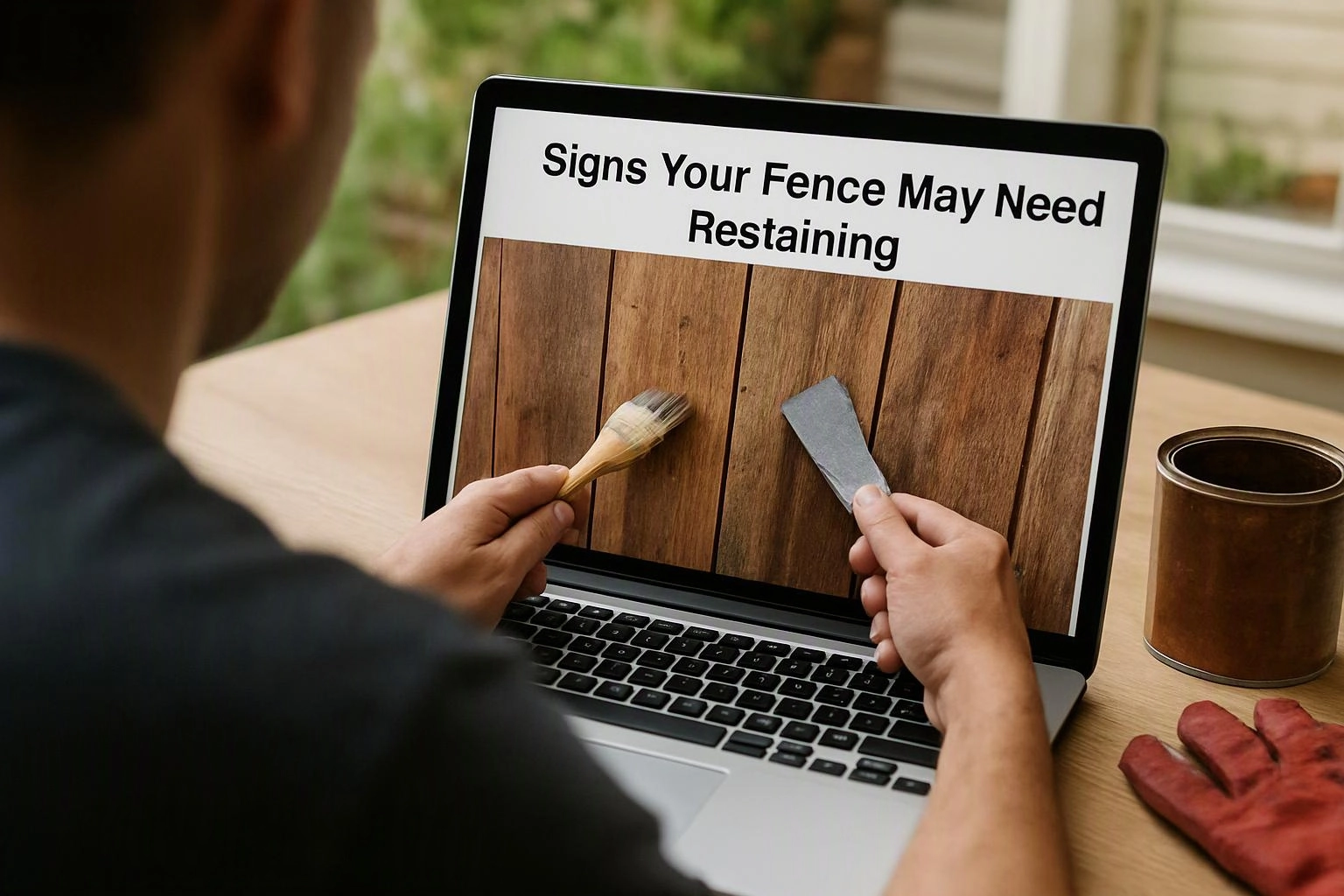
What Does Water Absorbing Into a Stained Fence Mean?
Water absorption means the coating may no longer repel moisture effectively. A quick water check can reveal worn areas, but the wood condition also matters.
Water that soaks into the wood grain can point to reduced water resistance and a greater risk of moisture damage. We look for soft areas, open grain, cracks, and uneven protection before choosing a water-repellent stain.
When Should You Restain a Fence?
Fence restaining makes sense when broad stain wear leaves exposed wood without consistent protection. The right timing depends on weather exposure, wood condition, and the existing coating.
Fence maintenance should begin before moisture damage spreads through several boards. We assess stain wear across the full fence, including shaded sections and areas near the ground.
Restaining should wait when boards, posts, or rails need repairs first. Our team identifies those concerns so the new coating has a sound surface.
Does Peeling Fence Stain Need to Be Stripped?
Yes, peeling or flaking stain usually needs removal where the coating has lost adhesion. We assess the remaining stain, clean the surface, and choose targeted removal or more complete stripping.
Surface preparation depends on how firmly the old stain remains attached. Loose flakes can interfere with the new coating, while sound areas may need cleaning and light preparation.
Our crew uses stain stripping when the old finish blocks even coverage or reliable adhesion. We also check the wood substrate for damage before applying fresh stain.
DIY Fence Restaining or Professional Help?
Light cleaning and simple visual checks can suit a careful homeowner, while failing coatings and difficult access call for Thomas J. Painting. The condition of the fence determines how much preparation the work needs.
You can review easy-to-reach areas, but ladder work and broad stain removal create added safety and quality concerns. We handle preparation and stain application when the surface is difficult or the coating is failing.
| Factor | What you can do yourself | What we do |
|---|---|---|
| Surface check | Look for faded color, dry wood, peeling areas, and water absorption. | We inspect boards, posts, rails, gates, and the existing stain. |
| Cleaning | Handle light cleaning when the surface is easy to reach and sound. | We prepare the surface for consistent stain adhesion. |
| Stain removal | Recognize loose or flaking coating from a safe viewing position. | We decide whether targeted removal or full stain stripping is needed. |
| Application | Apply stain only when access, preparation, and surface condition are manageable. | We apply the selected coating for even coverage and moisture protection. |
| Ladder safety | Avoid work that feels unstable or difficult to reach safely. | Our crew handles difficult access as part of the work plan. |
How We Check a Fence Before Restaining
Fence inspection checks the wood, existing stain, moisture exposure, and preparation needs before restaining. Our team offers Free Consultations, and our estimate reflects the fence condition and preparation required.
We inspect stain adhesion across the surface and look for peeling coating, dry wood, cracks, and moisture damage. We also review color consistency so the finished fence does not show distracting uneven coverage.
Cleaning may be enough when the coating remains sound. We recommend stain removal or deeper surface preparation when the old finish cannot support a uniform new coat.
What Should You Do After Spotting These Signs?
Arrange a fence staining assessment when fading, peeling, or water absorption affects more than isolated areas. Our fence staining services address the preparation and coating needs found during the assessment.
Keep the fence dry and avoid covering damaged areas with a new coat before checking the wood. We determine whether cleaning, targeted stain removal, repairs, or restaining should come first.
Refreshing fence stain works best when the coating matches the wood condition and expected weather exposure. Contact us to discuss the fence and request an estimate based on the work it needs.
Questions About Fence Restaining
Can you restain a fence without removing all the old stain?
Yes, Thomas J. Painting can restain a fence without full stain removal when the existing coating is sound and well bonded. We clean the surface and remove loose areas first so the new stain can adhere.
Can faded fence stain be repaired with a spot coat?
A spot coat can help when fading is limited and the surrounding stain remains stable. We check color consistency and stain adhesion before deciding whether a spot repair will blend or a broader coat is needed.
What should I check before choosing a new fence stain?
Check the wood condition, old stain adhesion, color wear, water absorption, and required surface preparation. We use those findings to help choose a coating that fits the fence and its moisture exposure.
Thomas J. Painting can inspect your fence, explain the preparation level, and provide an estimate for the needed work. Contact Thomas J. Painting to arrange a Free Consultation about fence restaining.
Get a Free Estimate