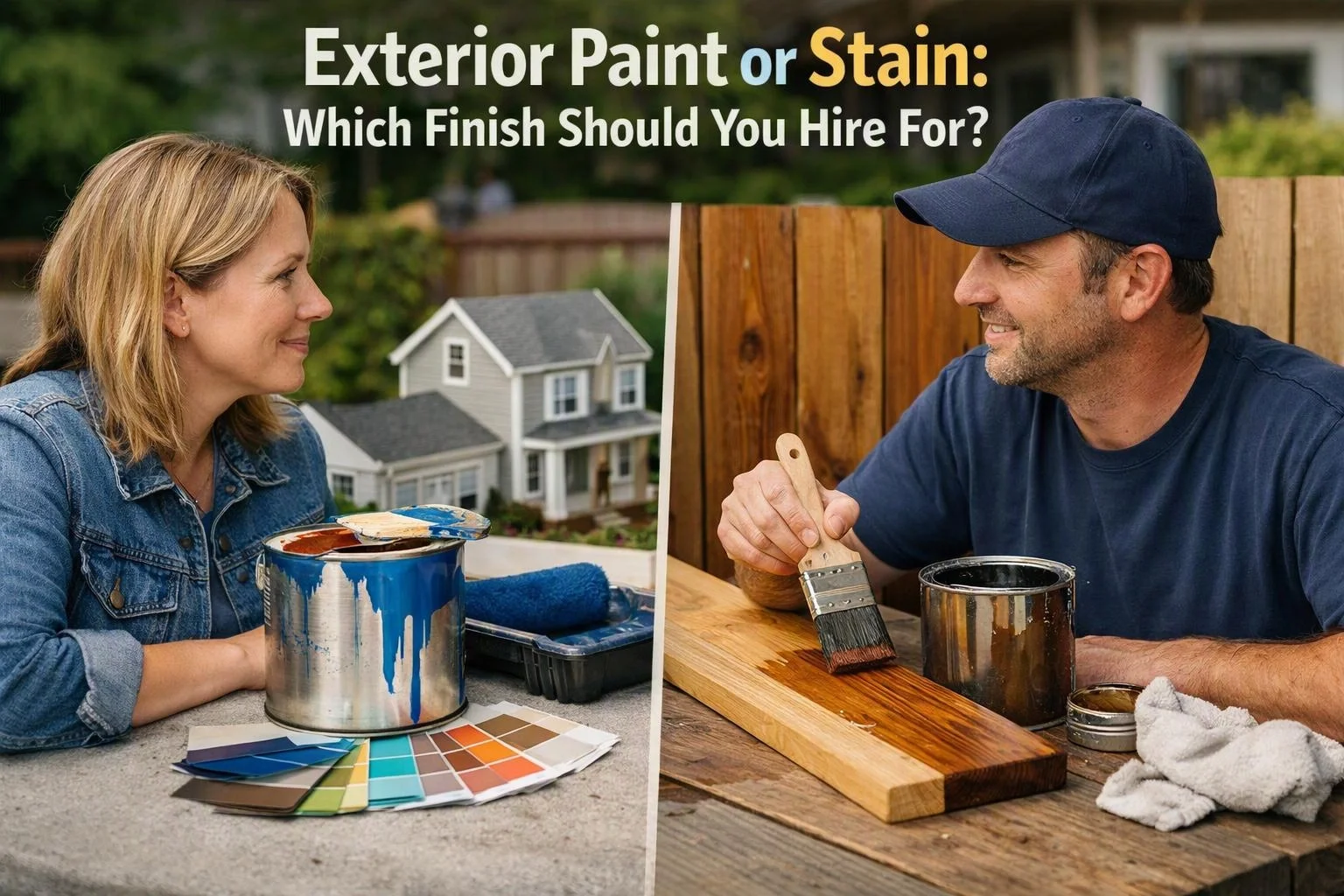
Exterior Paint or Stain: Which Finish Should You Hire For?
Exterior paint suits smooth, opaque coverage and stronger color control, while stain suits wood where you want a natural look. Thomas J. Painting can help you choose based on the surface, condition, exposure, and upkeep you prefer. We compare those factors for siding, decks, and fences.
Get a Free EstimateShould You Paint or Stain Your Exterior?
Exterior paint is usually the better choice for opaque coverage and broad color control, while exterior stain is usually better for preserving visible wood grain.
Painted siding creates a uniform surface and can cover varied colors or minor visual flaws. Stained wood keeps more of the natural wood appearance visible, but the surface must be sound and evenly prepared.
We review the surface condition before recommending a finish. Wood siding, a deck, and a fence face different wear, moisture, and weather exposure, so one coating may not suit every area.
Exterior Paint vs Stain at a Glance
Exterior paint and stain differ most in coverage, wood visibility, preparation needs, maintenance, and surface suitability.
Both finishes need proper surface preparation and good coating adhesion. The better choice depends on the existing coating, wood condition, exposure, and appearance you want.
| Factor | Exterior Paint | Exterior Stain | What Changes the Choice |
|---|---|---|---|
| Appearance | Opaque, uniform color | Visible wood grain | Your color and wood-visibility goals |
| Cost drivers | Removal, repairs, primer, and coats can increase the project cost | Cleaning, repairs, stripping, and stain type can increase the project cost | Surface size, access, condition, and preparation |
| Project timeline | More preparation may be needed for peeling paint or color changes | Drying and absorption depend on clean, dry wood | Weather, access, repairs, and coating removal |
| Maintenance | Watch for peeling, cracking, and fading | Watch for fading, wear, and uneven absorption | Weather exposure and maintenance needs |
| Best use | Compatible siding and surfaces needing solid color | Exposed wood decks, fences, and suitable wood siding | Surface type and existing coating |
Why Choose Exterior Paint?
Exterior paint is the stronger fit when you want solid color, a uniform appearance, and broad design control.
Paint forms an opaque finish over the surface. That coverage can help create consistent color across compatible siding and repaired areas.
Best for: exterior siding and other compatible surfaces where uniform color matters most.
Why Choose Exterior Stain?
Exterior stain is the stronger fit when you want to show wood grain and keep the surface’s natural character visible.
Transparent stain allows more grain to show, while solid stain provides stronger color with some wood texture still visible. Stain works best when the wood is clean, dry, and able to accept the coating.
Best for: decks, fences, and suitable wood siding where natural character matters most.
Which Finish Works Best for Siding, Decks, and Fences?
Paint commonly suits compatible siding, while stain commonly suits exposed wood decks and fences; the existing coating and wood condition can change that choice.
Wood siding may need paint when it already has a sound painted coating or needs opaque coverage. Stain may suit siding when the wood grain is attractive and the surface can absorb the product evenly.
A deck has a horizontal surface that receives foot traffic and moisture. A fence has vertical boards with different exposure patterns, so we check both surfaces before choosing a finish.
Pressure-treated wood may need careful review because moisture and treatment can affect absorption. Our siding painting service includes finish selection based on the surface and project scope.
What Preparation Does Exterior Staining Need?
Exterior staining needs a clean, sound, dry surface so the stain can absorb evenly and avoid uneven color.
We check the surface before application because mildew, loose coating, and damp wood can affect the finish. Our crew prepares the area in a controlled sequence.
What Changes the Cost of Painting or Staining?
The cost of painting or staining changes with surface size, access, preparation, repairs, existing coatings, finish type, and application requirements.
Large or difficult-to-reach surfaces need more labor and careful protection. Peeling coating, mildew, sanding, scraping, and wood repairs can also expand the preparation work.
Paint may require primer or additional coats for the desired coverage. Stain choice, absorption, and the condition of the wood can change the application requirements.
We review these cost drivers during a Free Consultation and explain what the project quote includes. Requesting a quote after the surface review gives you a clearer project scope.
How We Help You Choose the Right Exterior Finish
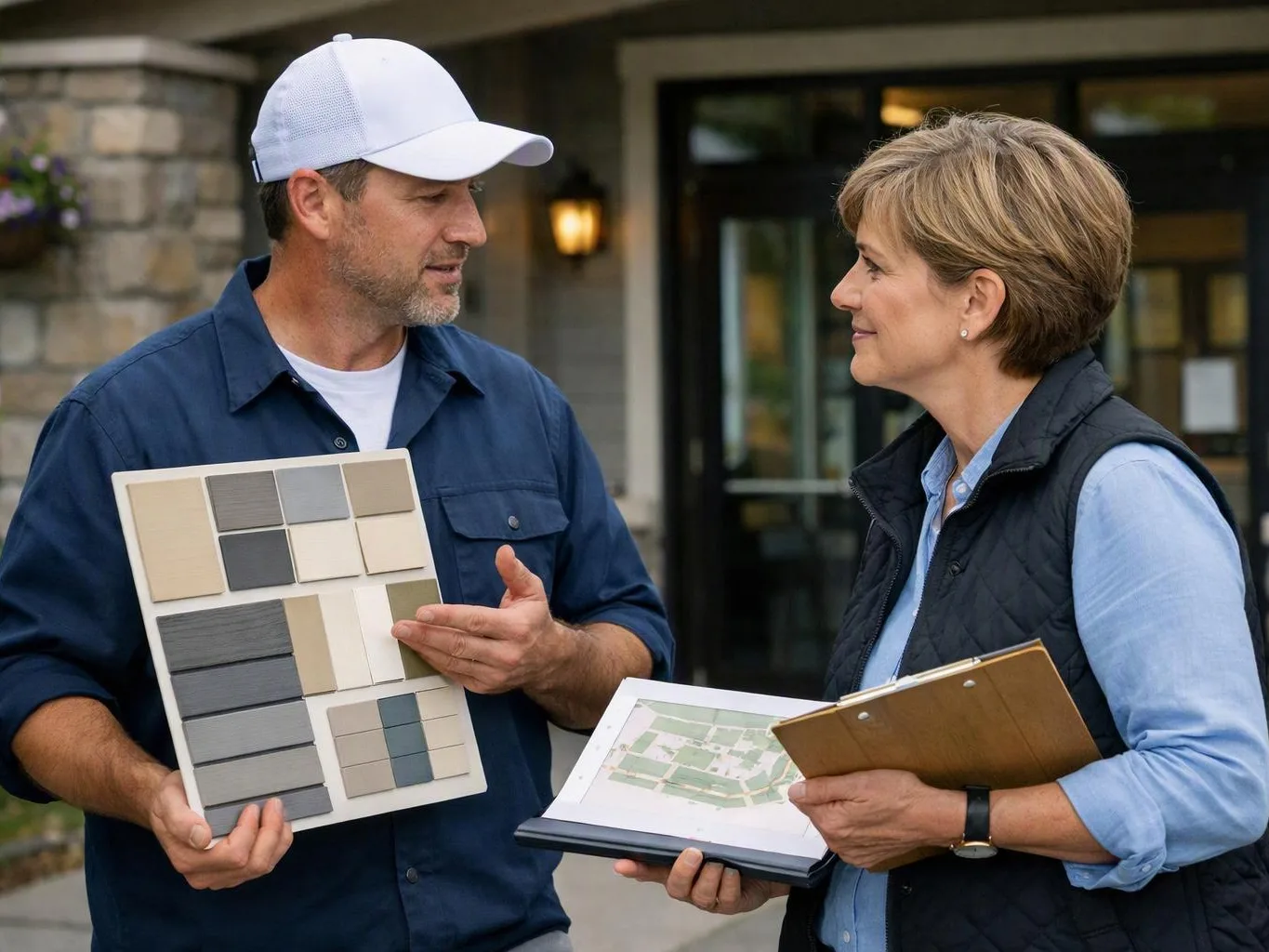
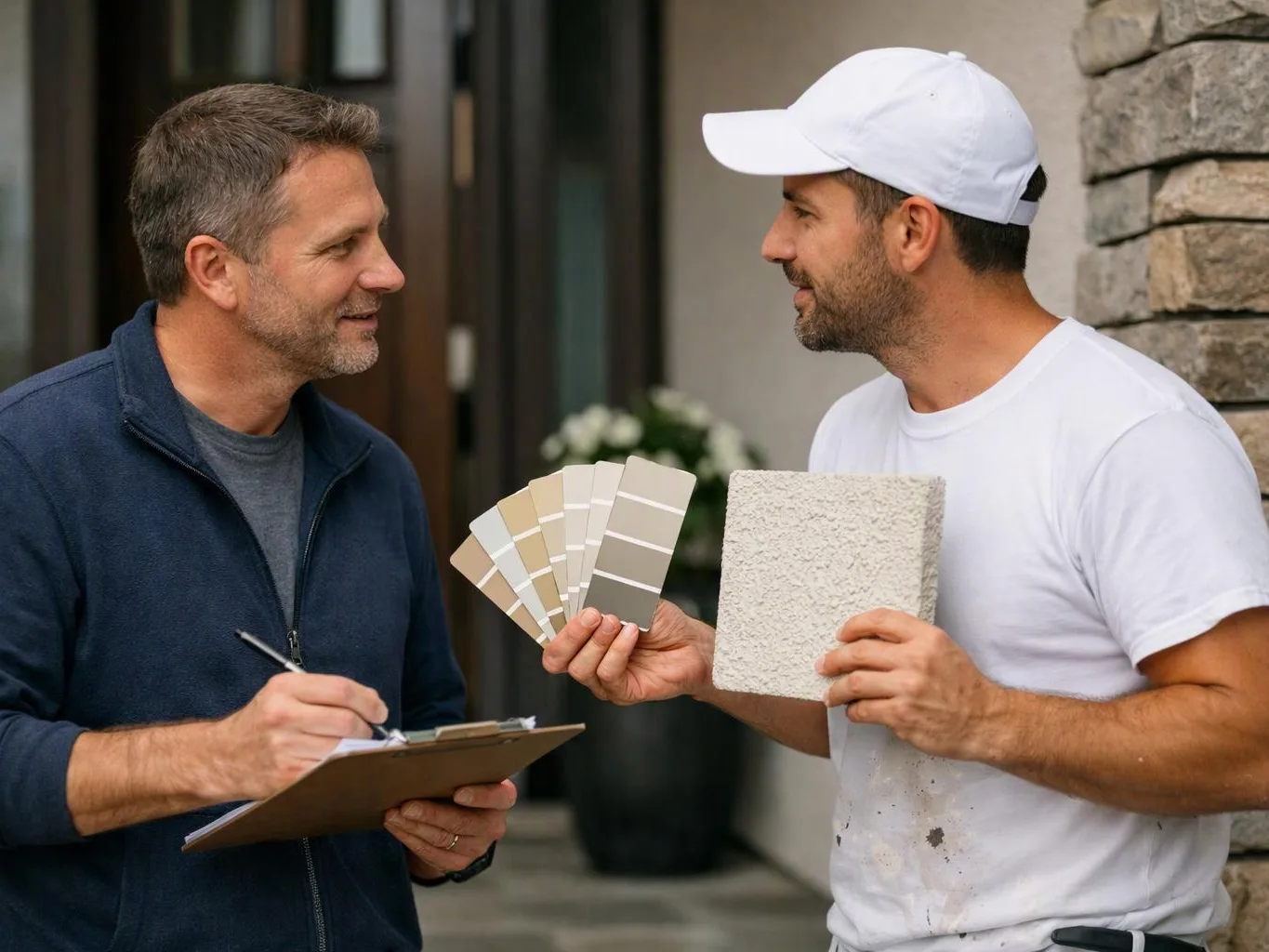
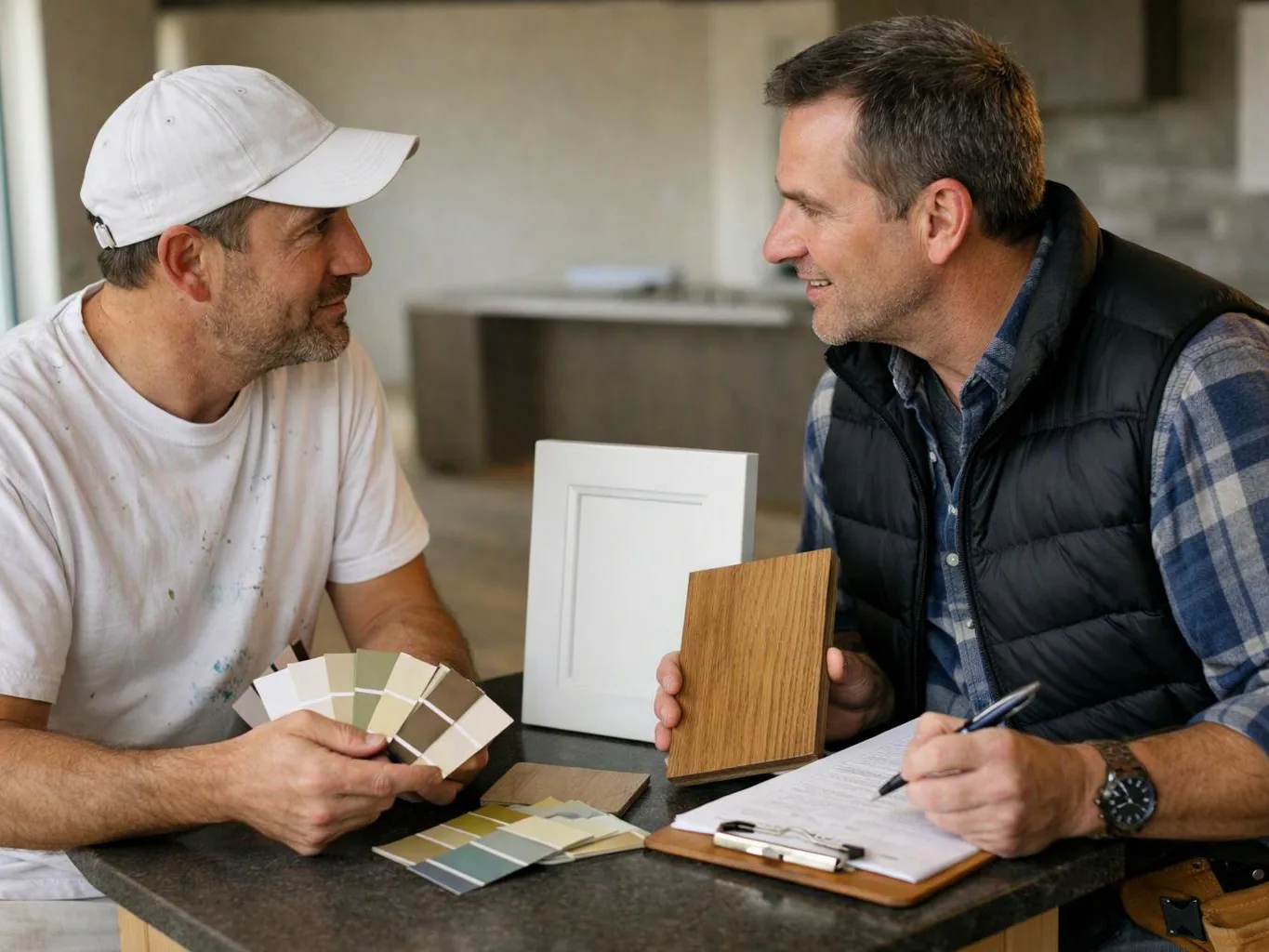
Thomas J. Painting offers Free Consultations so we can review the surface, finish goals, preparation needs, and project scope before preparing a quote.
Our team checks the existing coating, wood condition, weather exposure, and color goals. We also discuss maintenance preferences so the finish fits how you want to care for the surface.
We explain finish compatibility before work begins. Our project quote reflects the selected finish, preparation needs, repairs, access, and application plan.
Can You Stain a Previously Painted Exterior?
Yes, a previously painted exterior may need coating removal or a compatible solid stain because penetrating stain cannot absorb through intact paint.
Paint removal can expose the wood, but the wood must still be sound and suitable for staining. A solid stain may work when the existing coating has proper surface adhesion and the products are compatible.
We inspect the existing coating and test the planned finish before choosing the application method. Peeling coating, weak adhesion, and hidden repairs can change the preparation plan.
Plan Your Siding Painting or Staining Project
Siding painting and exterior finish selection work best when surface preparation, color planning, and project scope are reviewed together.
Thomas J. Painting can assess your siding, deck, or fence and explain whether paint, transparent stain, or solid stain fits the surface. We then prepare a project quote based on the work required.
Use our service consultation to discuss the finish you want and the maintenance you prefer.
Questions About Exterior Paint and Stain
Is paint or stain better for wood siding?
Thomas J. Painting recommends paint for opaque coverage and stain for visible wood grain when the siding can absorb it evenly. Surface condition, existing coating, weather exposure, and maintenance needs guide the final choice.
Can you change from stain to paint on exterior wood?
Yes, exterior wood can often change from stain to paint after proper cleaning, preparation, and primer selection. We check the existing stain, surface adhesion, wood condition, and coating compatibility before painting.
Does exterior stain hide imperfections in wood?
Exterior stain can reduce the appearance of some color differences, but transparent stain usually leaves wood imperfections visible. Solid stain provides more coverage, while severe damage may still need surface repairs.
What should you check before choosing a deck stain?
Check the deck’s wood condition, existing coating, moisture exposure, foot traffic, and desired wood visibility. We also review cleaning needs, repairs, surface drying, and the stain’s finish compatibility.
How do weather exposure and wood condition affect the finish choice?
Weather exposure can increase fading, moisture wear, and maintenance needs. We inspect the wood and existing coating so the selected finish matches the surface condition and exposure.