Questions about association painting work
Who provides HOA painting for managed properties?
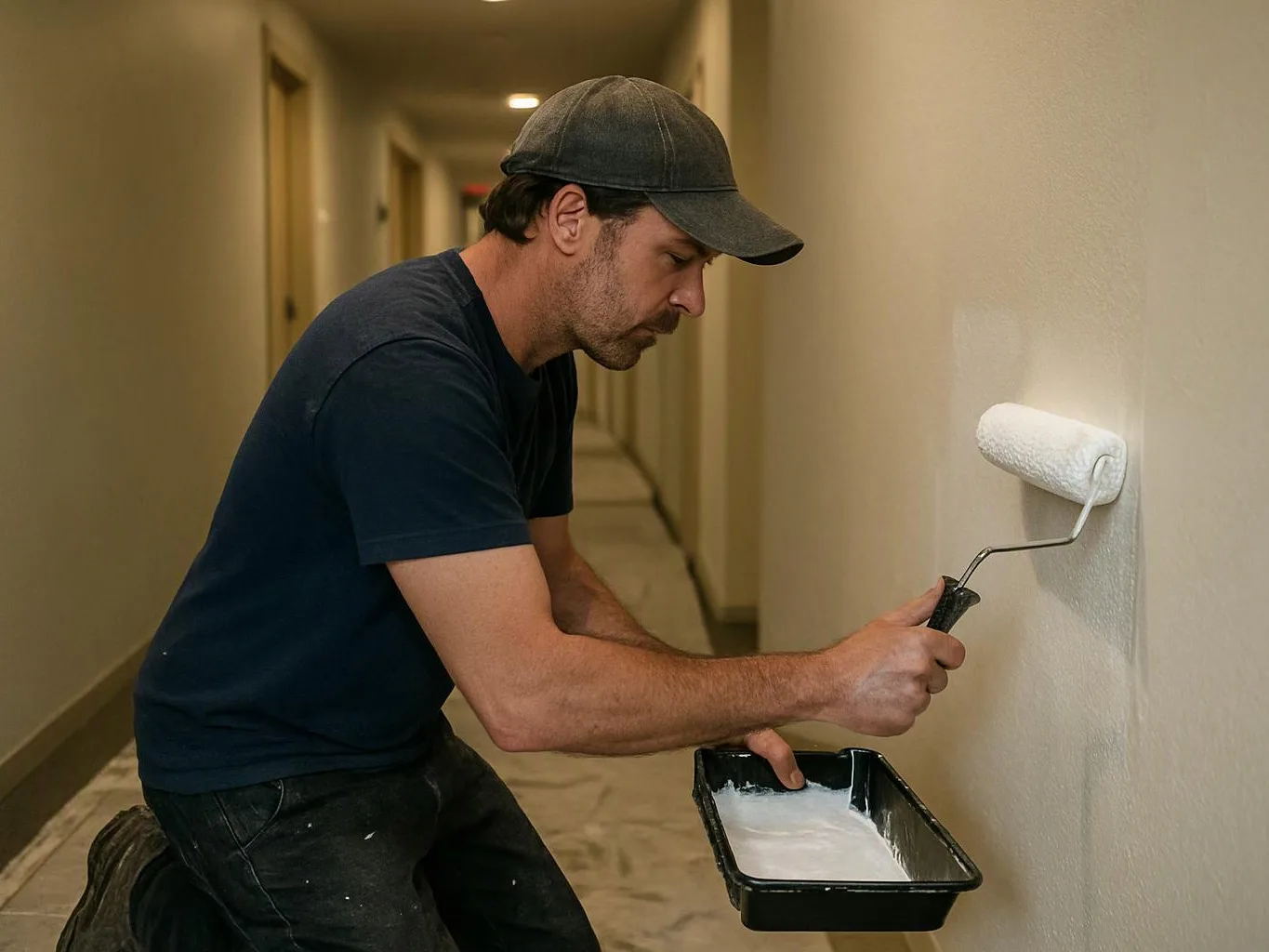
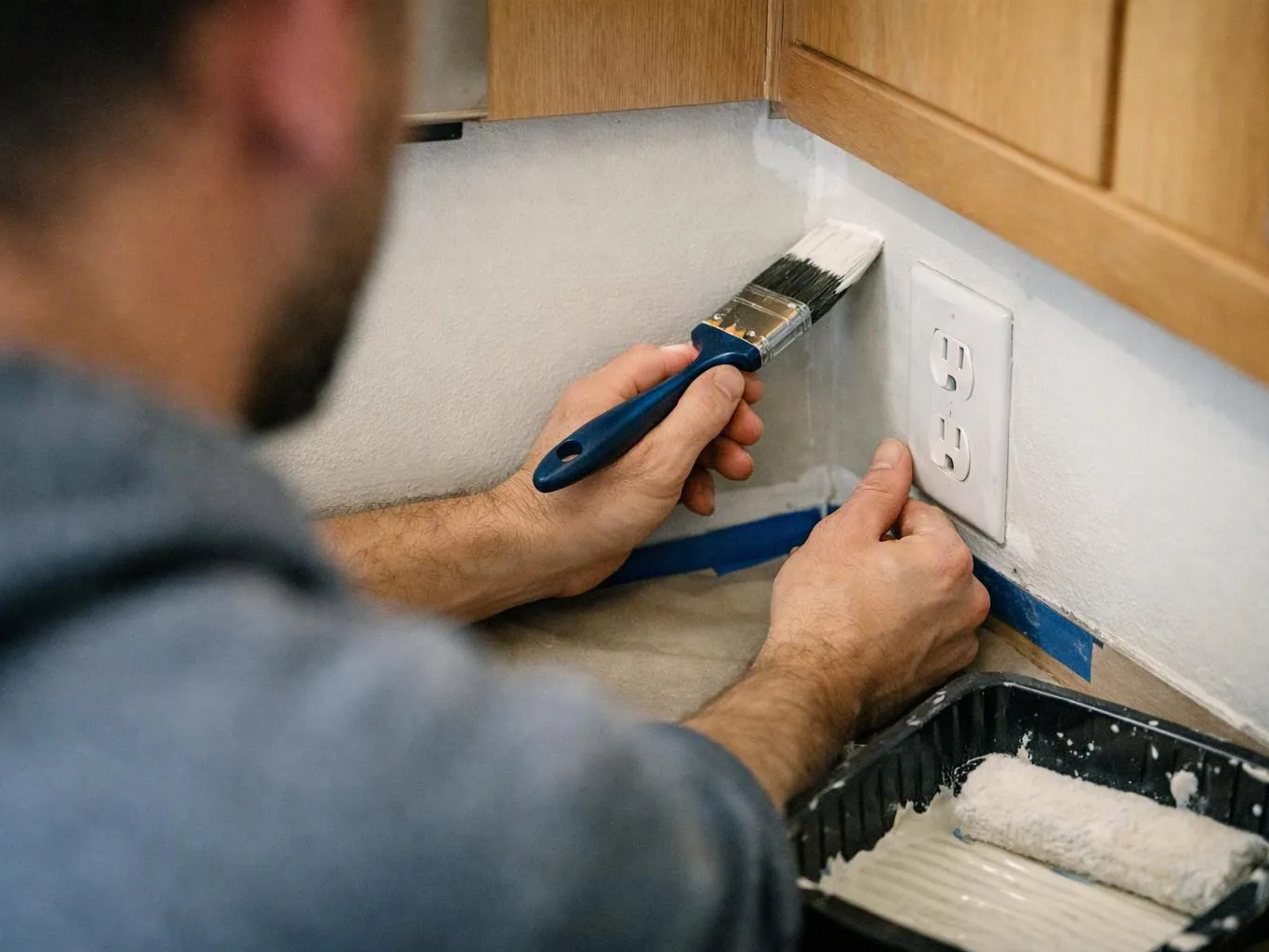
Thomas J. Painting provides HOA painting for residential and commercial managed properties. Our team reviews the property in person, discusses the association’s goals, and prepares a clear project agreement. The work can include interior painting, exterior painting, carpentry repairs, cabinet work, surface preparation, protection, cleanup, and a final inspection.
How does the first site visit prepare the association?
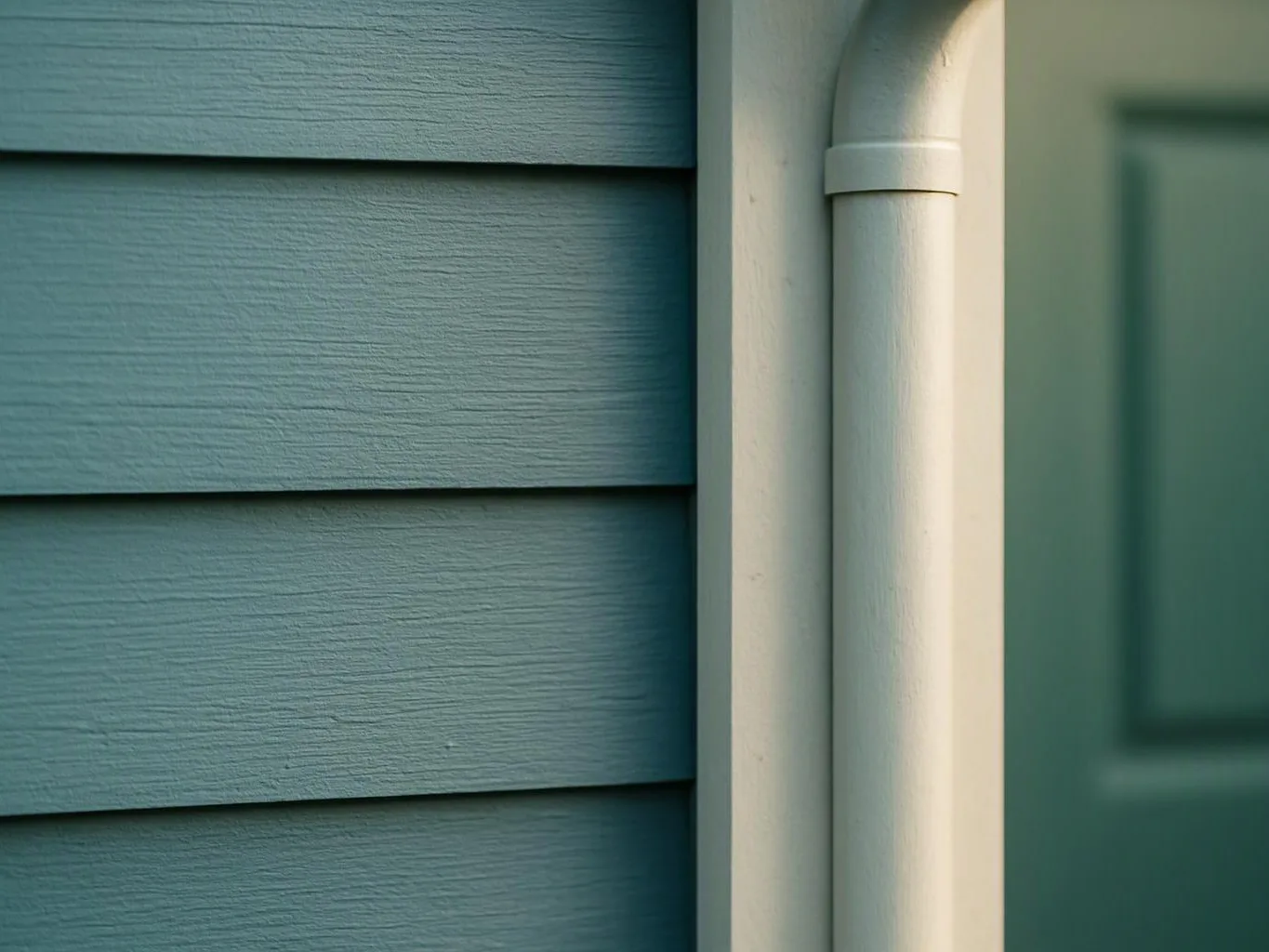
The first site visit identifies the surfaces, repairs, colors, access limits, and protection needs that shape the project. We inspect trim, doors, siding, walls, cabinets, and other included areas. Association leaders can then compare the planned scope with the property’s actual condition before approving the estimate.
What should an HOA provide before requesting an estimate?
An HOA should provide the areas to be painted, known color decisions, access concerns, and any repair concerns before requesting an estimate. Helpful details include building locations, occupied spaces, shared entries, and prior coating problems. We confirm the rest during the free consultation and in-home meeting.
Which repairs should happen before new paint?
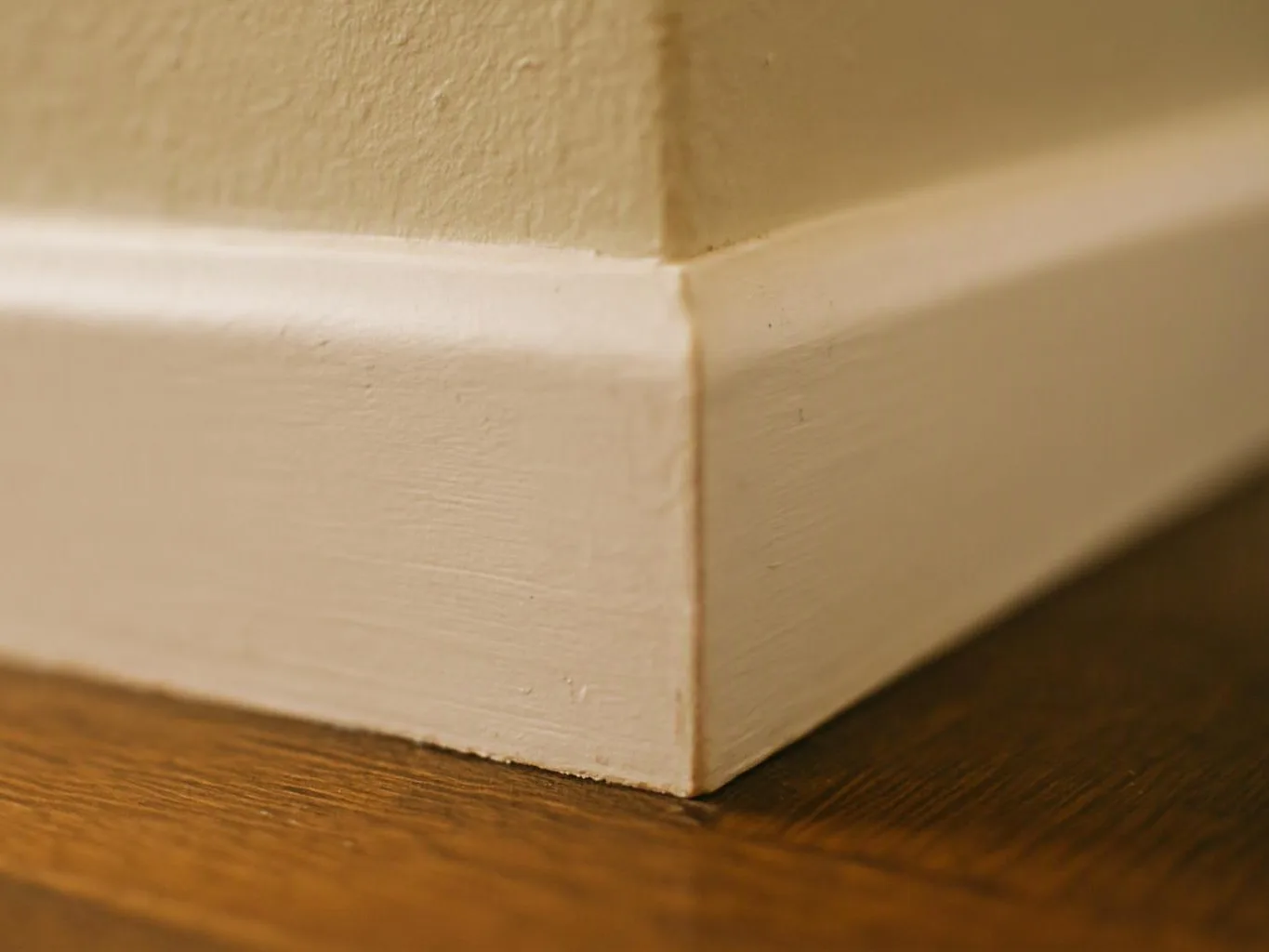
Rotten wood, loose coating, open gaps, damaged trim, and unsound surfaces should be addressed before new paint. We inspect those areas during the assessment and coordinate needed carpentry work. Paint can cover a sound repair, but it cannot restore wood that has already lost its strength.
Why do access restrictions matter during community painting?
Access restrictions matter because crews need safe paths to the surfaces, and residents still need usable entries and shared areas. We review staging areas, walkways, doors, furnishings, and occupied spaces before work starts. The agreement can then reflect protection and access needs instead of leaving those decisions until painting is underway.
What changes the cost of an association painting project?
Surface repairs, preparation, access, protection, and the number of included areas change the project cost. Rotten wood can add carpentry work, while damaged coatings can require more preparation. We review those conditions during the consultation and provide an estimate based on the agreed scope, not a generic property assumption.