
What Is Tannin Bleed?
Tannin Bleed is a brown, yellow, or reddish stain that moves through paint from natural wood compounds. The stain often appears on oak, cedar, pine, and other wood surfaces. Moisture can draw tannins toward the surface, where they discolor the finish even after the wood receives a fresh coat of paint.
Quick Facts About Tannin Bleed
Category
Wood-related paint defect
Used for
Diagnosing stains beneath paint
Common confusion
Surface dirt or poor color coverage
Also called
Tannin Staining, Wood tannin staining
Often discussed with
Cabinet Painting
Key Takeaways About Tannin Bleed
- Tannin stains often look brown, yellow, or reddish.
- Moisture can bring wood tannins through paint.
- Tannin bleed is not the same as ordinary dirt.
How Tannin Bleed Works
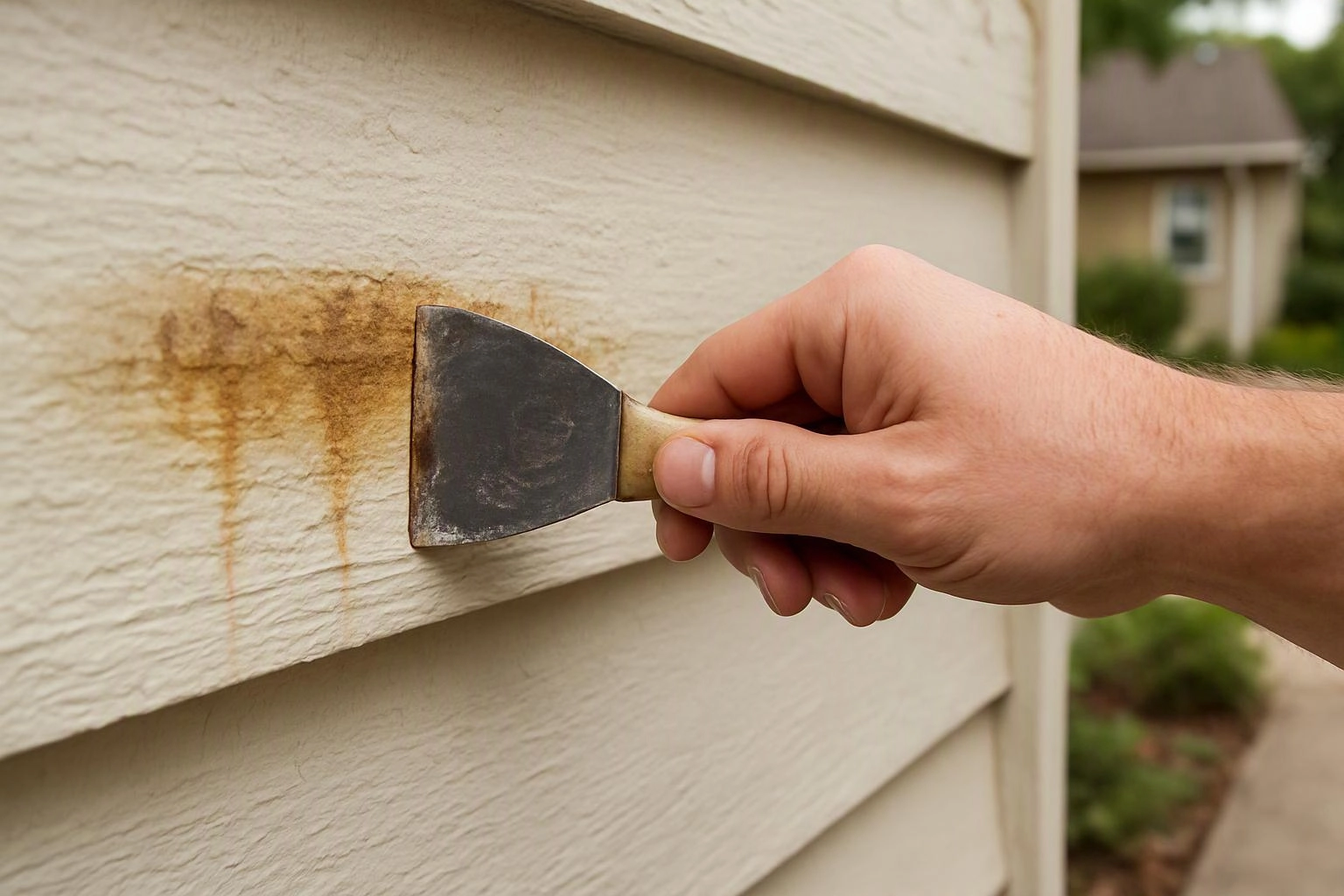
Tannin Bleed happens when water-soluble compounds in wood move into the paint film. The compounds can rise from knots, grain, or damaged areas. The paint may look sound at first, then develop discolored spots as moisture moves through the wood.
Related glossary terms: Bonding Primer, Paint Adhesion, Wood Stain.
Cabinet doors made from oak or other tannin-rich wood may show this problem after sanding and painting. A regular wall primer may not block the stain. A bonding primer or stain-blocking primer helps seal the surface before the finish coats go on.
On a cabinet project, the coating system must match the wood and the stain pattern. A painter checks the surface after cleaning and sanding, then watches for bleed-through between coats. If the stain returns, the affected area may need more preparation and primer before the final color is applied.
From the Thomas J. Painting team
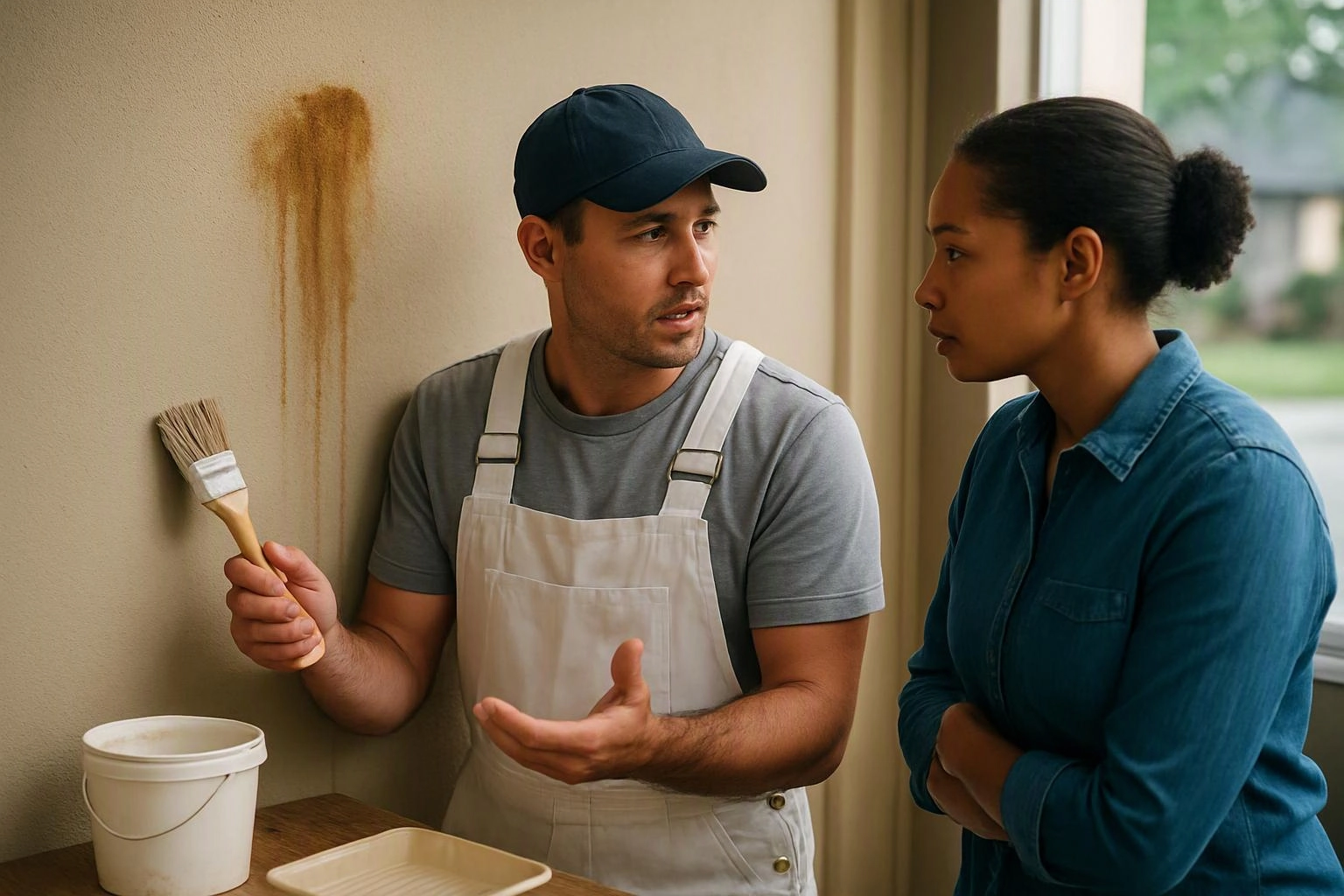
When we prepare cabinets, we check knots, open grain, and dark areas for signs of tannin staining. We clean and sand the surface, then choose a primer that can block the stain before applying the cabinet finish. We also inspect between coats so returning discoloration receives attention.
Tannin Bleed in Practice: A Real-World Example
A homeowner has oak cabinets that develop brown marks near the grain after painting. We would identify the marks as possible tannin bleed, prepare the affected areas, and seal them before applying the cabinet finish.
Related Services
Related Terms
Bonding Primer
Bonding Primer is a specialty coating that helps paint stick to smooth, glossy, or difficult surfaces…
Paint Adhesion
Paint Adhesion is the bond that holds a paint film to its surface. Strong adhesion helps…
Wood Stain
Wood Stain is a colored finish that soaks into wood and changes its appearance while showing…
Thomas J. Painting
Have Questions About Tannin Bleed?
Contact Thomas J. Painting for practical guidance on Tannin Bleed and related painting contractor work in Bellevue.