When Peeling Siding Paint May Signal a Bigger Problem
Peeling siding paint can signal moisture, poor surface preparation, failing caulk, or damaged siding. Thomas J. Painting checks the paint and siding together so the repair addresses the cause, not only the peeling.
Get a Free Estimate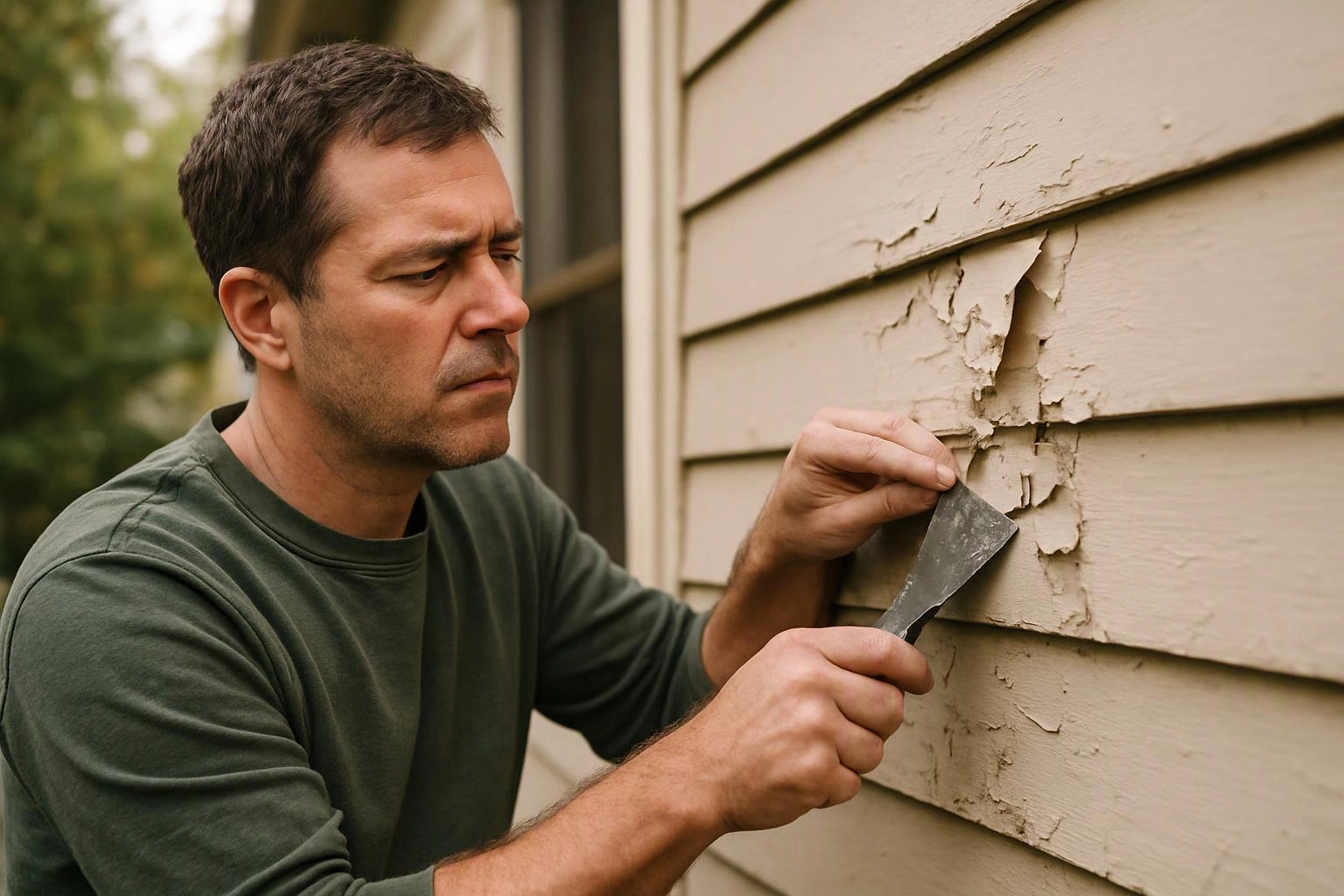
What Peeling Siding Paint Can Tell You
Siding paint can show that moisture, weak adhesion, or siding damage needs attention. We look beyond the loose paint to identify the condition underneath.
Peeling paint often starts when water reaches the paint film or siding substrate. Poor surface preparation can also leave dirt, chalk, or a weak coating under the new paint.
We check the siding, seams, trim, and caulk joints before planning the work. That review helps us separate a paint problem from a larger building envelope concern.
Warning Signs Your Siding Needs Attention
Visible paint failure can point to a deeper siding maintenance issue. These signs help show when the surface needs more than simple repainting.
Our crew checks how these signs connect across the wall. A single damaged area may need focused preparation, while wider patterns can require siding repair.
Why Siding Paint Keeps Peeling After Repainting
Recurring peeling usually means moisture or weak adhesion remains under the new coating. Repainting without correcting the surface problem leaves the same failure in place.
Moisture intrusion can come from open seams, failed caulk, damaged trim, or water entering behind the siding. We trace the visible pattern and inspect nearby joints for a likely moisture source.
Incompatible coatings can also prevent a new layer from bonding well. Our team removes loose material, completes surface cleaning, and uses scraping or sanding where needed.
Primer helps create a stable base when the exposed surface calls for it. We also replace failing caulk before siding painting when open joints could affect the finish.
What Soft or Crumbling Siding Means
Soft or crumbling siding can mean water damage or material breakdown beneath the paint. We check the affected area before recommending painting because damaged siding may not hold a new coating.
Soft spots often develop when water remains inside wood siding or another siding material. Wood rot can spread beyond the area where paint first began to fail.
We assess the siding substrate and the surrounding boards for strength and stability. Our repair scope depends on the material condition and the source of the water damage.
Can Warped or Buckling Siding Be Painted?
No, warped or buckling siding shouldn't be painted until the cause and condition are checked. New paint won't correct movement, moisture, or damaged siding.
Expansion can push boards out of alignment and place stress on the paint film. Moisture can also change the shape of siding and reduce paint adhesion.
We inspect the siding alignment and look for damaged boards, open seams, and moisture sources. Siding painting becomes a sound option only when the surface can support the coating.
DIY Checks and When We Should Inspect the Siding
A safe ground-level check can help you spot paint failure, but ladder work can add risk. You can note visible changes without scraping, pulling, or opening the siding.
Use the comparison below to decide what you can safely observe and when our team should inspect the siding.
| Factor | What you can do yourself | What we do |
|---|---|---|
| Paint condition | Look for peeling, flaking, blistering, bubbling, or cracking from the ground. | We review the failure pattern and test the condition of the coating. |
| Siding damage | Look for soft spots, crumbling areas, warped boards, and buckled siding. | We inspect the siding substrate and identify areas that may need repair. |
| Moisture clues | Note open seams, failed caulk, staining, or repeated peeling. | We look for likely moisture sources around seams, trim, and siding joints. |
| Ladder safety | Stay on the ground if the area is high, unstable, or difficult to reach. | Our crew handles the elevated inspection needed for the painting scope. |
Ground-level observations can help explain the problem, but they don't confirm the cause. Thomas J. Painting inspects the siding when the damage is high, recurring, soft, or linked to moisture.
How We Assess Peeling Siding Paint
We assess the peeling pattern, siding condition, moisture sources, and previous preparation before planning the work. Our review separates a repainting need from a siding repair need.
Our team starts with the visible paint failure and checks nearby siding boards, seams, trim, and caulk. We then consider whether scraping, sanding, cleaning, or a primer coat will support new paint.
When damage extends below the finish, we explain the repair scope before siding painting begins. This process helps prevent a new coating from hiding a condition that could cause more peeling.
For broader exterior planning, our Siding Painting service follows the same focus on sound surfaces and lasting paint adhesion.
Choosing the Right Next Step for Your Siding
The right next step depends on whether the siding is sound, the surface is prepared, and moisture has been controlled. We explain the needed preparation and provide Free Consultations before the work is planned.
Siding repair may be needed when boards are soft, crumbling, rotted, or badly warped. Sound siding may only need paint removal, cleaning, sanding, primer, and caulking.
We review the siding contractor work scope with you before starting. Contact us through our contact page so we can assess the peeling and discuss the right next step.