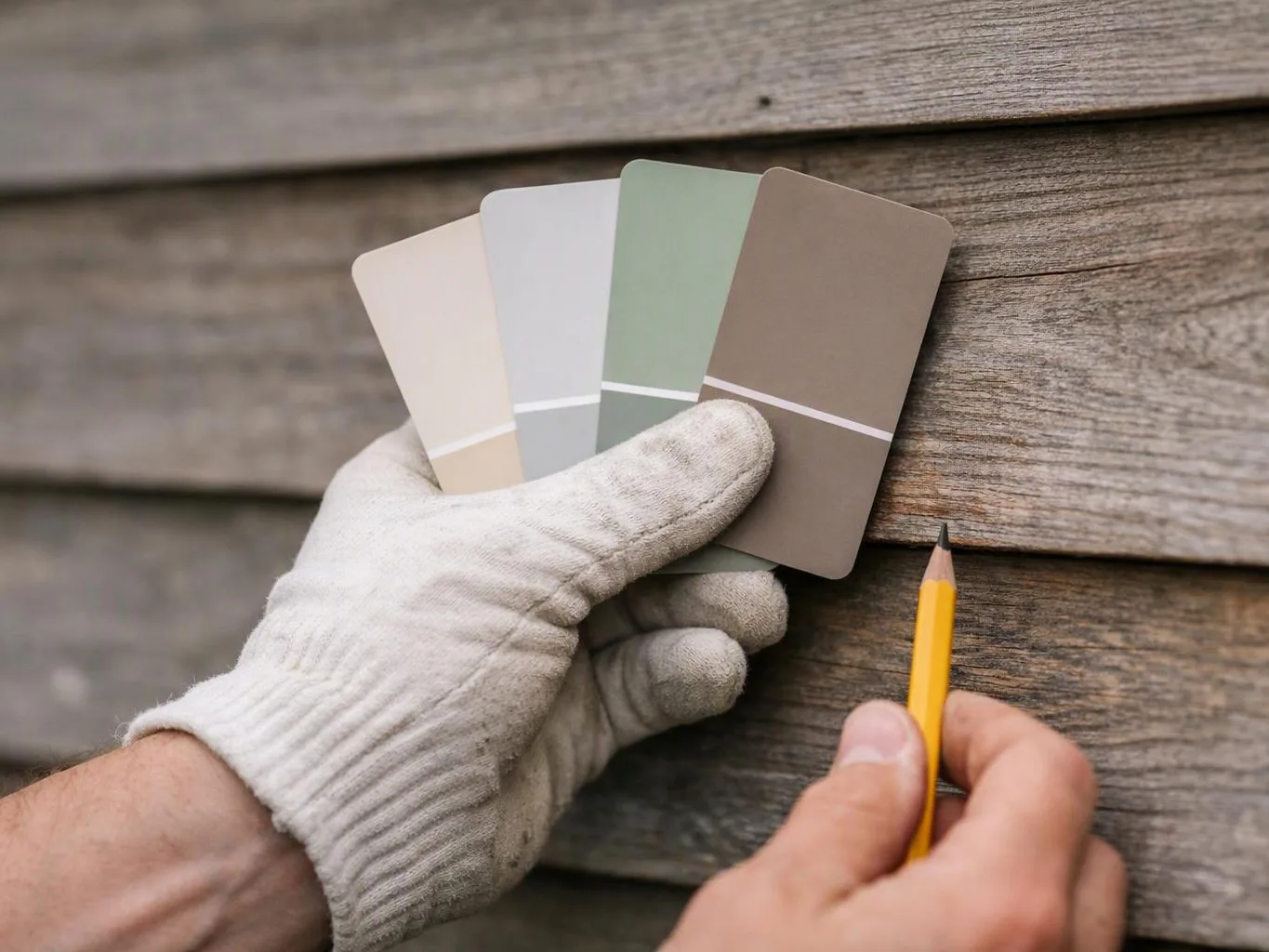
Signs a Commercial Property’s Paint Needs Attention
Commercial building paint needs maintenance when it peels, bubbles, chalks, fades, stains, or exposes damaged surfaces. Thomas J. Painting checks the coating and substrate to identify repairs, repainting, or cool-roof compliance coating needs.
Get a Free Estimate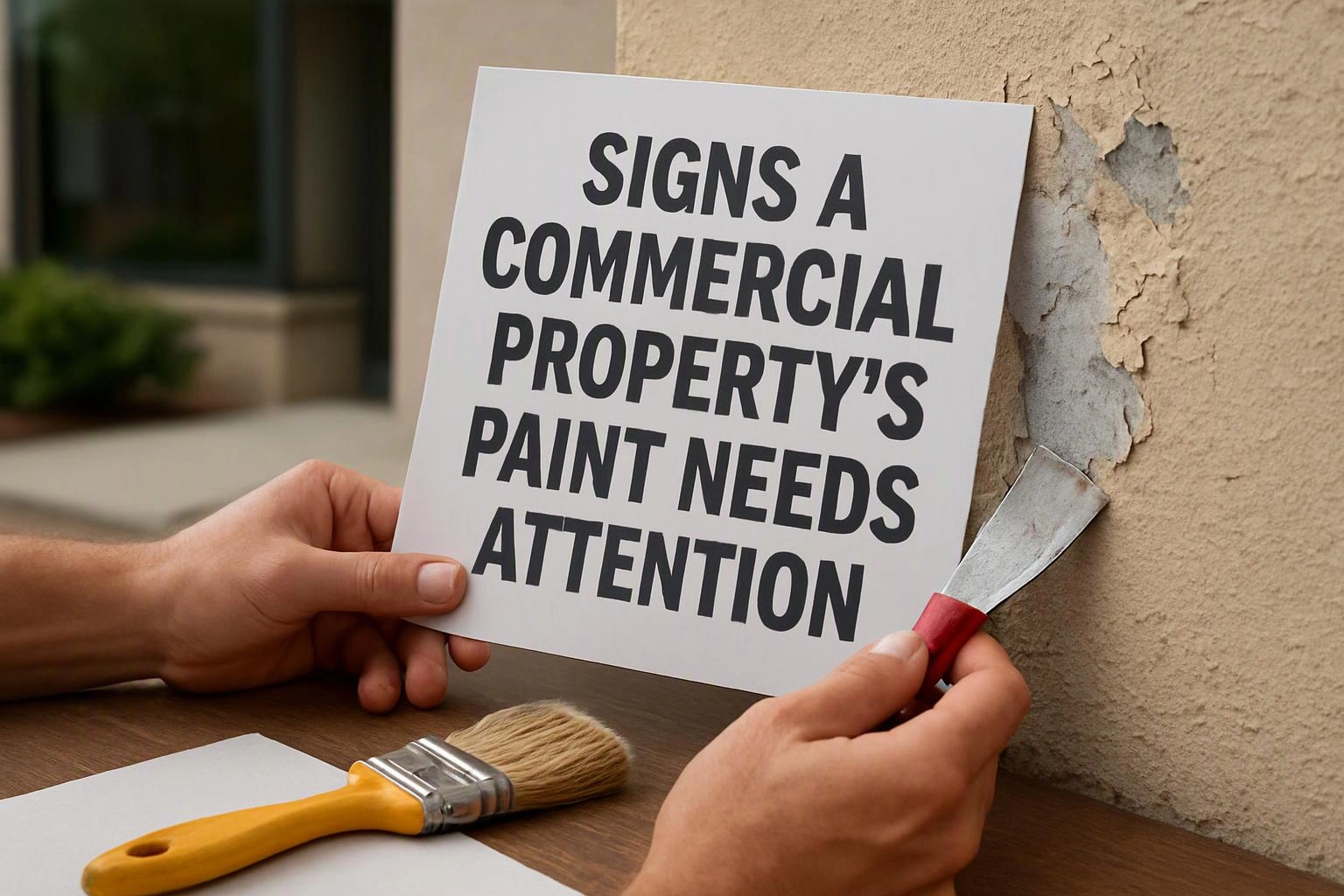
Commercial property paint shows maintenance warning signs through peeling, bubbling, chalking, fading, stains, and surface damage. These signs can point to coating failure, moisture intrusion, poor adhesion, or a damaged substrate.
Our team connects visible paint problems with the conditions behind them. We can also explain how our Commercial Painting process addresses preparation, repairs, and protective coatings.
What Do Peeling and Bubbling Paint Indicate?
Peeling and bubbling paint usually indicate weak adhesion, trapped moisture, surface contamination, or substrate damage.
Peeling paint separates from the surface when the coating cannot stay bonded. Bubbling paint often forms when moisture or heat pushes against the paint film.
Our crew looks for moisture intrusion, loose material, and surface contamination before repainting. We address the substrate and preparation needs so new paint has a sound surface to bond with.
Warning Signs Your Commercial Building Paint Needs Maintenance
A commercial building needs paint maintenance when visible coating changes expose weak protection or surface damage. The warning signs below help owners decide when to schedule an inspection.
Our team checks whether each sign is limited to the paint film or reaches the substrate. That difference helps define the right repair scope and surface preparation.
What Does Fading or Chalking Paint Mean?
Fading or chalking paint means the coating is weathering and may no longer protect the commercial surface well.
Paint fading often follows ultraviolet exposure and repeated weathering. Chalking happens when pigment and binder break down at the surface, leaving a powdery residue.
We assess the remaining protective coating and the condition of the surface below it. Our recommendations may include cleaning, preparation, primer, or commercial repainting.
When Are Paint Stains and Surface Damage More Than Cosmetic?
Paint stains and surface damage become more than cosmetic when they point to moisture, corrosion, rot, deterioration, or another active surface problem.
Water stains can suggest a moisture source near the building envelope, roof surface, trim, or sealant. Rust stains can show surface corrosion, while mildew stains can reveal ongoing dampness.
Wood rot weakens the material beneath the paint, and concrete deterioration can affect the coating’s bond. We trace visible damage to its likely source before planning repairs or new coating work.
How We Assess Commercial Paint Damage
Thomas J. Painting assesses the coating, surface condition, moisture clues, and preparation needs before recommending commercial painting work.
During a commercial painting inspection, we review peeling, bubbling, cracking, stains, chalking, and exposed substrate. We also look at coating adhesion and areas where water may enter or remain.
Our team then outlines the repair scope and surface preparation. We explain where primer, finish coating, or a cool-roof compliance coating application may fit the property’s needs.
Free Consultations help commercial property owners understand the condition of their surfaces and the work included in a proposed plan.
Should You Repair Commercial Paint Yourself or Call Us?
Minor touch-ups may suit a property owner when the surface is safe, clean, sound, and easy to reach. Larger damage calls for our commercial painting team because preparation, adhesion, and access affect the result.
The comparison below shows where owner maintenance ends and our work begins. Ladder safety and coating requirements should guide the decision.
| Factor | What you can do yourself | What we do |
|---|---|---|
| Minor touch-up | Identify small, stable areas that match the existing coating. | Check adhesion, surface condition, color needs, and repair limits. |
| Surface preparation | Keep accessible surfaces clean when no damage or hazard is present. | Remove loose coating, prepare the substrate, and plan primer or repairs. |
| Ladder safety | Avoid work when height, access, or footing feels unsafe. | Plan safe access for commercial walls, trim, and other elevated surfaces. |
| Commercial coating | Record visible damage and share details with our team. | Apply the selected commercial coating for the prepared surface. |
| Cool-roof compliance coating application | Note roof coating damage from a safe viewing area. | Review the roof surface and apply the specified compliance coating. |
What Happens After You Spot Paint Damage?
Paint damage should move from observation to documented inspection and a clear maintenance plan. Our process connects each visible sign with the work needed to protect the building.
We explain each stage before work begins so property owners can understand the proposed scope. The plan can also identify areas that need attention before damage spreads.
How Can Commercial Owners Prevent Paint Problems?
Commercial owners can prevent many paint problems by watching the building envelope and addressing moisture sources early. Routine visual checks help reveal stains, peeling, rust, mildew, and exposed substrate before they grow.
Our team can help connect paint maintenance with drainage, sealants, surface cleaning, and coating maintenance. These conditions affect how well exterior wall paint, metal coating, concrete coating, and roof coating perform.
Owners should also review areas around roof edges, trim, joints, and other points where water can reach the substrate. We can assess whether a cool-roof compliance coating application fits the roof surface and project needs.
Questions About Commercial Property Paint Damage
Can peeling commercial paint cause more building damage?
Yes, peeling commercial paint can expose the substrate to moisture and weather exposure. Thomas J. Painting checks the coating and substrate to identify preparation, repair, and repainting needs.
Is chalking paint a reason to repaint a commercial building?
Chalking paint can be a reason to repaint when weathering has weakened the protective coating or affected adhesion. We assess the residue, surface condition, and preparation needs before recommending repainting.
How can you tell if a paint stain comes from an active leak?
An active leak is more likely when a stain returns, spreads, feels damp, or appears near a drainage or building-envelope problem. Our team looks for moisture clues and surface damage before coating the area.
Can commercial paint damage affect a cool-roof coating?
Yes, commercial paint damage can affect a cool-roof coating when poor adhesion, exposed substrate, moisture, or surface contamination is present. We assess the roof surface and determine the preparation needed for a cool-roof compliance coating application.
Commercial paint damage deserves attention when it exposes the surface or points to moisture, corrosion, rot, or coating failure. Contact Thomas J. Painting for Free Consultations and a clear plan for commercial painting, repairs, or coating maintenance.