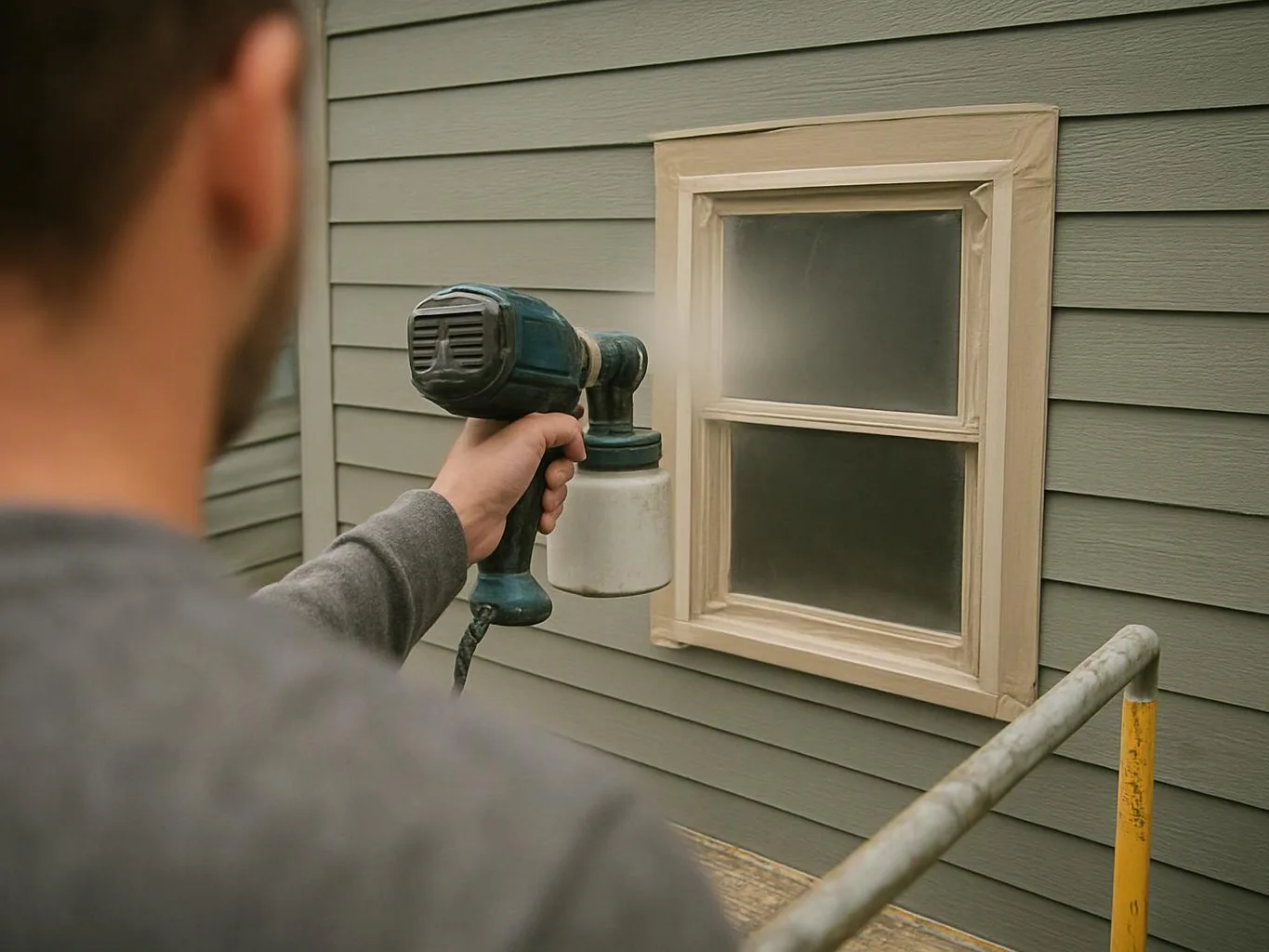
Commercial or Residential Painting Contractor: Which Do You Need?
Commercial painting contractors fit larger, occupied, or schedule-sensitive properties, while residential painting contractors fit homes and household projects. Thomas J. Painting can help match the project scope, surface needs, and access plan to the right painting service. We review occupancy, disruption concerns, surface condition, and maintenance goals before preparing a quote.
Get a Free EstimateWhat’s the Difference Between Commercial and Residential Painting Contractors?
Commercial painting contractors plan for larger, occupied, and schedule-sensitive properties, while residential painting contractors focus on homes and household routines.
A commercial property may include an office, retail space, or apartment building. The project scope can cover many rooms, shared areas, exterior surfaces, and tenant operations.
A residential property usually centers on a single-family home, condominium, or townhouse. Interior painting, siding painting, and room-by-room updates often follow the homeowner’s priorities.
Commercial vs Residential Painting at a Glance
Both services depend on surface condition, preparation, coating choice, and access. The main difference is how the work fits the property and the people using it.
| Factor | Commercial painting | Residential painting | Decision note |
|---|---|---|---|
| Cost drivers | Larger surface areas, access planning, repairs, and site protection can add complexity. | Room count, finish details, furniture protection, and siding preparation often guide the scope. | The quote follows the actual scope and site conditions. |
| Project timeline | Work sequencing may follow business hours, tenant access, and phased painting needs. | Room sequence usually follows household access and daily routines. | Scheduling should match how people use the property. |
| Maintenance | Maintenance planning can cover shared spaces, repeated traffic, and tenant needs. | Maintenance usually centers on household wear, appearance, and future updates. | Choose a coating plan that fits use and upkeep. |
| Best-fit property | Office, retail space, apartment building, or another occupied business property. | Single-family home, condominium, or townhouse. | Property type is the first useful screening point. |
Commercial painting is usually the stronger match when operations continue during the work. Residential painting is usually the better match when the project follows household routines and personal finish preferences.
When Is a Commercial Painting Contractor the Better Fit?
A commercial painting contractor is the better fit when the property has business operations, multiple areas, public access, or strict scheduling needs.
Commercial building projects may involve an office, retail space, or apartment building. Tenant operations and customer access can affect every work zone, so access planning matters from the start.
Our team can sequence work around operating needs and protect paths through the site. You can also review our Commercial Painting service when the project needs a broader business-property plan.
Advantages of Choosing a Commercial Painting Contractor
Commercial painting supports organized work in properties where people, goods, or services remain active. Our approach connects the scope of work with site coordination and business disruption control.
Best for: commercial properties with active operations, shared access, or several connected areas.
Best for Commercial Properties With Active Operations
Commercial painting with active operations is best for properties that need work zones planned around business hours and access.
Our crew can use phased painting when areas cannot all be closed together. We also coordinate occupant communication, customer access, site safety, and daily cleanup so the work area stays easier to manage.
When Is a Residential Painting Contractor the Better Fit?
A residential painting contractor is the better fit when the project centers on a home, household access, personal finishes, or room-by-room updates.
A single-family home, condominium, or townhouse may need interior painting, siding painting, or both. Homeowner priorities often include color selection, furniture protection, trim details, and a comfortable room sequence.
We shape the scope around how your household uses each space. Our team also reviews siding preparation when exterior surfaces need cleaning, repairs, priming, or a new coating system.
Advantages of Choosing a Residential Painting Contractor
Residential painting keeps the work centered on the home and the people living there. Our team plans each area around access, finish preferences, and surface condition.
Best for: home-focused projects where household access and personal finishes guide the work.
Best for Homes and Personal Living Spaces
Residential painting is best for homeowners who want their living space updated with careful access and finish planning.
We protect furniture and nearby surfaces before work begins. Our crew follows the agreed room sequence and checks walls, ceilings, trim, doors, and siding before applying the selected coating.
What Should a Commercial Painting Proposal Include?
A commercial painting proposal should explain the surfaces, preparation, materials, work sequence, access plan, protection measures, cleanup, and warranty terms.
We review each part of the commercial painting proposal with you before work begins. A clear proposal makes quote review easier and reduces confusion about included repairs or access needs.
How Do Commercial Painting Contractors Reduce Business Disruption?
Commercial painting contractors reduce business disruption by sequencing work around occupancy, access, customer movement, and operating needs.
Our team can plan work hours around the property’s use and divide the project into controlled phases. We also define access routes, communicate with occupants, protect the site, and complete daily cleanup.
These steps help keep unfinished areas separate from active spaces. They also give building managers a clearer way to track progress and adjust access.
What Changes the Cost of a Commercial Painting Project?
Commercial painting cost depends on the surfaces, preparation, coating system, access, repairs, protection needs, and requested work schedule.
Surface area affects the amount of preparation and coating work. Surface condition can add repairs, cleaning, priming, or other preparation before the finish coat.
Height and access can change equipment and protection needs. A tight work schedule may also require more detailed sequencing around tenants, customers, or staff.
Our commercial painting quote explains the included scope and the site conditions behind it. Request a quote so we can inspect the property and review the work plan with you.
How Thomas J. Painting Helps Define the Right Project Scope
Thomas J. Painting uses Free Consultations to review the property, clarify the scope, and explain what the quote includes.
We use a project walkthrough to inspect surfaces, access points, occupied areas, and likely preparation needs. Our team can discuss commercial painting, interior painting, siding painting, and related maintenance goals.
That review helps separate essential work from optional improvements. It also gives you a clearer commercial painting quote before scheduling decisions are made.
Which Painting Contractor Should You Choose?
Choose a commercial painting contractor for business properties and complex scheduling, or a residential painting contractor for home-focused work.
Thomas J. Painting can help you turn those answers into a clear project scope. Contact our team for a consultation and a quote that explains the planned work.
Questions About Commercial and Residential Painting
Can the same painting contractor handle both commercial and residential projects?
Yes, Thomas J. Painting can handle both commercial and residential painting projects when the scope, surfaces, access, and schedule are clearly defined.
Does commercial painting include interior and exterior surfaces?
Yes, commercial painting can include interior and exterior surfaces when those areas are included in the approved scope. We review walls, ceilings, trim, doors, siding, and other requested surfaces during the walkthrough.
What information should I provide before requesting a commercial painting quote?
Provide the property type, areas to be painted, occupancy needs, access limits, surface concerns, preferred schedule, and maintenance goals. We use that information to plan the walkthrough and explain what the commercial painting quote includes.
Should siding painting be handled as a separate project?
Siding painting can be included with other exterior work or scoped as a separate project, depending on surface condition, preparation needs, access, and your maintenance goals.