Commercial Painting Project Process: From Scope Planning to Closeout
The commercial painting process covers scope planning, site preparation, surface repair, coating application, quality checks, and closeout. At Painter-Bellevue-Wa.com, we use this sequence to keep project decisions clear from the first estimate through final documentation. Free Estimates Available.
Get a Free EstimateWhat Does the Commercial Painting Process Include?
The commercial painting process connects project planning, preparation, painting, inspection, and closeout.
Our team begins by defining the project scope and reviewing each commercial building area. We then assess the substrate, existing coating, access needs, and work conditions.
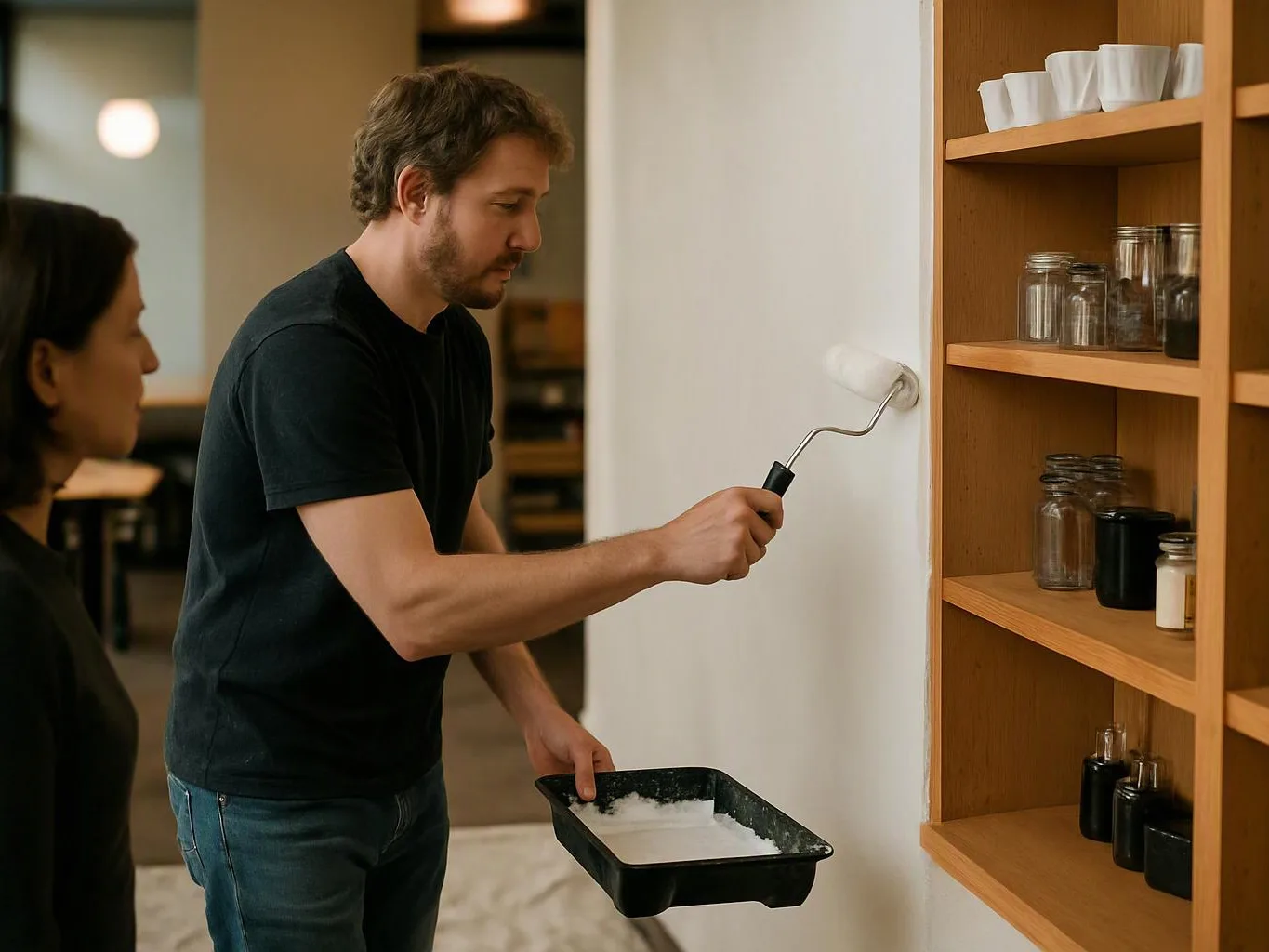
Surface preparation may include cleaning, caulking, patching, masking, and surface repair. We select a compatible primer and coating system before applying finish coats. Quality inspection checks coverage, color consistency, edges, and agreed work.
Project closeout records the completed scope, corrections, coating information, and maintenance guidance. You can review our Commercial Painting service when you’re ready to discuss a project.

What We Confirm Before Painting Starts
We confirm the building areas, surfaces, coatings, access, colors, and work conditions before painting starts.
Our team uses these details to build an access plan and coordinate work around the property. Early decisions also help the building owner, property manager, and general contractor understand the work area.
| Planning item | What we review |
|---|---|
| Building areas | Interior, exterior, shared, occupied, and service areas |
| Surface condition | Damage, substrate condition, moisture concerns, and needed surface repair |
| Existing coatings | Coating type, adhesion, peeling, and compatibility with the new system |
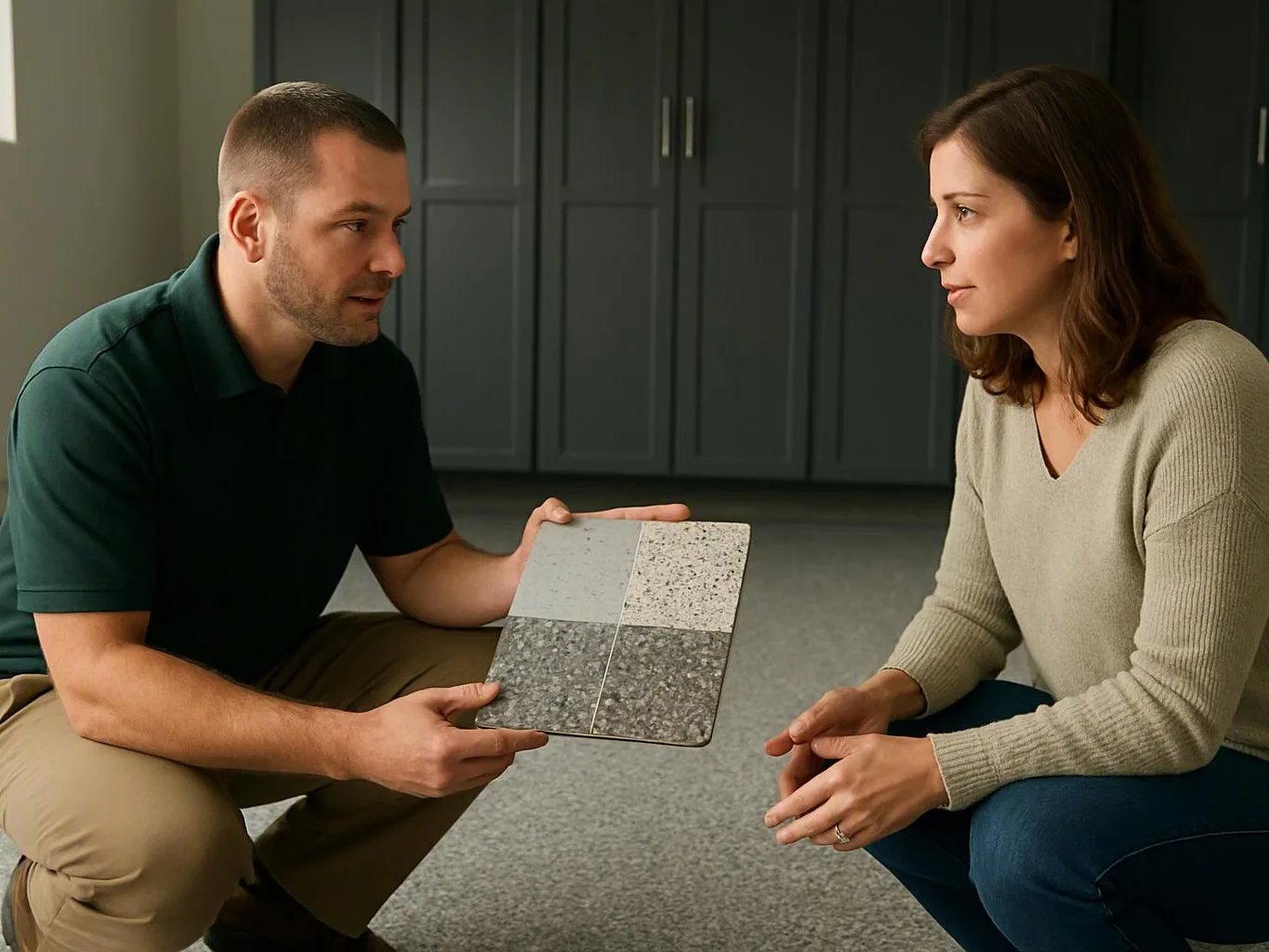
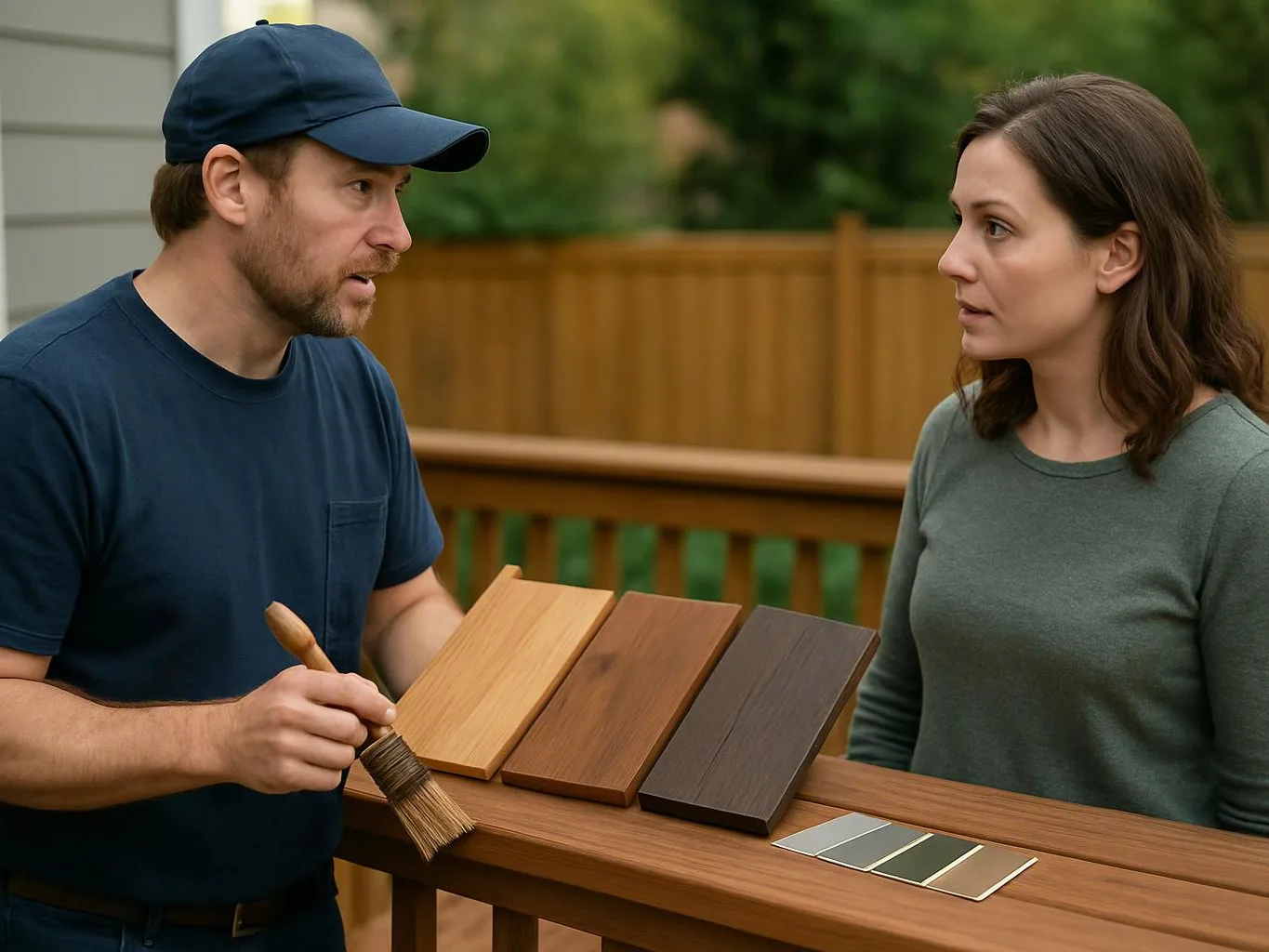
| Color schedule | Approved colors, locations, sheen, and finish coat requirements |
| Access requirements | Ladders, lifts, staging, entry points, and protected routes |
| Occupancy constraints | Tenant coordination, business operations, noise, odors, and restricted areas |
| Safety controls | Work boundaries, protection needs, ventilation, and safe movement through the site |
| Project documentation | Plans, specifications, product information, approvals, and access instructions |
How We Move a Commercial Painting Project From Scope to Finish
We move the project through seven connected steps so each decision supports the next stage.
Our team records changes as the work develops. That keeps the scope, coating choices, and inspection standards aligned.
Cost decisions begin with the scope, surface condition, access plan, coating specification, and occupancy coordination. We explain what our estimate includes, and we provide the exact quote after reviewing the project details.
How Scope Details Shape the Painting Plan
The painting plan changes with the building type, surface condition, coating requirements, access, and occupancy.
A commercial building may need coordinated work across offices, common areas, exterior walls, and service spaces. New construction painting often follows the general contractor’s schedule and approved finish specifications.
Apartment painting, condo painting, and HOA painting require careful tenant coordination and clear work-area communication. Our team plans entry, protection, staging, and color changes around the property’s use.
A cool-roof compliance coating may require a separate review of the roof surface, approved coating system, and project documentation. We also support post-project paint takeback coordination when leftover materials need an agreed handling plan.
What You Should Complete Before Our Crew Arrives
You can help the project start smoothly by clearing work areas, confirming access, and sharing site information.
These preparations reduce interruptions and help our crew protect nearby property. They also give the property manager and tenants a clear plan for daily work.
How We Check the Work Before Closeout
We inspect coverage, finish quality, edges, touch-ups, and agreed scope before closeout.
Our quality inspection checks for missed areas, uneven coverage, color variation, rough edges, and visible surface defects. We compare the finished work with the color schedule and coating specification.
Our crew completes needed touch-ups before the owner walkthrough. The walkthrough gives the building owner or property manager a chance to review the work and identify any agreed corrections.
We record completed work, resolved items, product details, and other closeout records. These records support future maintenance guidance and later coating decisions.
What Should the Closeout Package Include?
A commercial painting closeout should document completed work, resolved corrections, coating information, and agreed project records.
The package usually begins with a final walkthrough and a punch list. Our team confirms that listed corrections are complete and that the finished areas match the approved scope.
Closeout records may include the completed scope, care guidance, coating information, color details, and warranty documentation when included in the project agreement. Paint takeback coordination should also be recorded when leftover materials have an agreed handling process.
A clear closeout package helps the property manager plan maintenance and track future repairs. It also gives the owner a reliable record of the building painting workflow.
Questions About the Commercial Painting Project Process
Which scope details change a commercial painting quote?
Commercial painting quote details include building areas, surface condition, repair needs, access, coatings, colors, and occupancy requirements. We review these items before preparing an exact quote.
How does building occupancy affect commercial painting preparation?
Building occupancy affects access planning, tenant communication, work-area protection, ventilation, noise control, and staging. We coordinate these conditions before painting begins.
What should property managers document before commercial painting begins?
Property managers should document access instructions, approved colors, occupied areas, tenant notices, staging locations, surface concerns, and project contacts. Our team uses this information to confirm the work plan.
When should cool-roof compliance coating requirements be reviewed?
Cool-roof compliance coating requirements should be reviewed during scope planning, before coating selection and application. Early review helps align the substrate, coating system, documentation, and approval needs.
How are paint leftovers handled after a commercial painting project?
Paint leftovers are handled through the agreed post-project paint takeback coordination plan. We record the planned handling method in the closeout documentation when that service is included.