Paint Sprayer vs Roller: Which Application Method Is Best for Walls, Siding, and Cabinets?
Paint sprayers create a smooth, fast finish on large or detailed surfaces, while rollers offer better control and simpler cleanup. Painter-Bellevue-Wa.com chooses the method based on the surface, finish, masking needs, and project conditions.
Get a Free EstimateQuick Picks
Paint sprayers and paint rollers each suit different project conditions. The right choice depends on the surface, access, finish goal, and overspray risk.
- Paint sprayer: Best for broad surfaces, textured siding, trim, and detailed cabinet parts.
- Paint roller: Best for smooth interior walls, controlled coverage, and limited masking space.
Paint Sprayer vs Roller: Which Method Fits Your Project?
Paint sprayers suit large, textured, or detailed surfaces, while rollers suit controlled application on broad, smooth areas. Surface preparation still affects finish quality with either method.
| Factor | Paint Sprayer | Paint Roller | Best Fit |
|---|---|---|---|
| Finish quality | Can create a smooth, even coat on suitable surfaces | Provides controlled coverage with possible roller texture | Sprayer for smooth profiles; roller for controlled walls |
| Preparation | Requires careful masking and overspray protection | Needs drop cloths and focused edge protection | Roller for smaller or occupied spaces |
| Coverage | Fast on broad or irregular surfaces | Steady on smooth, broad walls | Depends on surface shape and access |
| Overspray | Higher risk without masking and ventilation | Low overspray risk | Roller for tight spaces |
What Changes the Choice Between Spraying and Rolling?
The surface shape, finish goal, masking work, and access conditions decide which application method works best. Smooth walls may support either method, while detailed surfaces often benefit from spray application.
Paint type and finish level also matter. Ventilation helps control airborne paint, and project access affects how much masking film and protection the space needs.
When Is a Paint Sprayer the Better Choice?
A paint sprayer is usually better for large surfaces, textured siding, and cabinet parts with complex profiles. An airless sprayer can spread paint across broad exterior areas, while a spray gun can support detailed work.
The best verdict for a sprayer is a broad or detailed surface with enough space for thorough protection.
When Is a Roller the Better Choice?
A paint roller is usually better for smooth interior walls, controlled application, and projects with limited masking space. Roller application keeps paint close to the work area and makes touch-ups easier to manage.
The best verdict for a roller is a smooth wall or a contained project where control matters most.
How Do Sprayers and Rollers Compare on Walls, Siding, and Cabinets?
Walls often favor rollers, siding may favor sprayers, and cabinets can use either method depending on the finish and setup. The surface profile determines how easily the paint reaches corners, grooves, and edges.
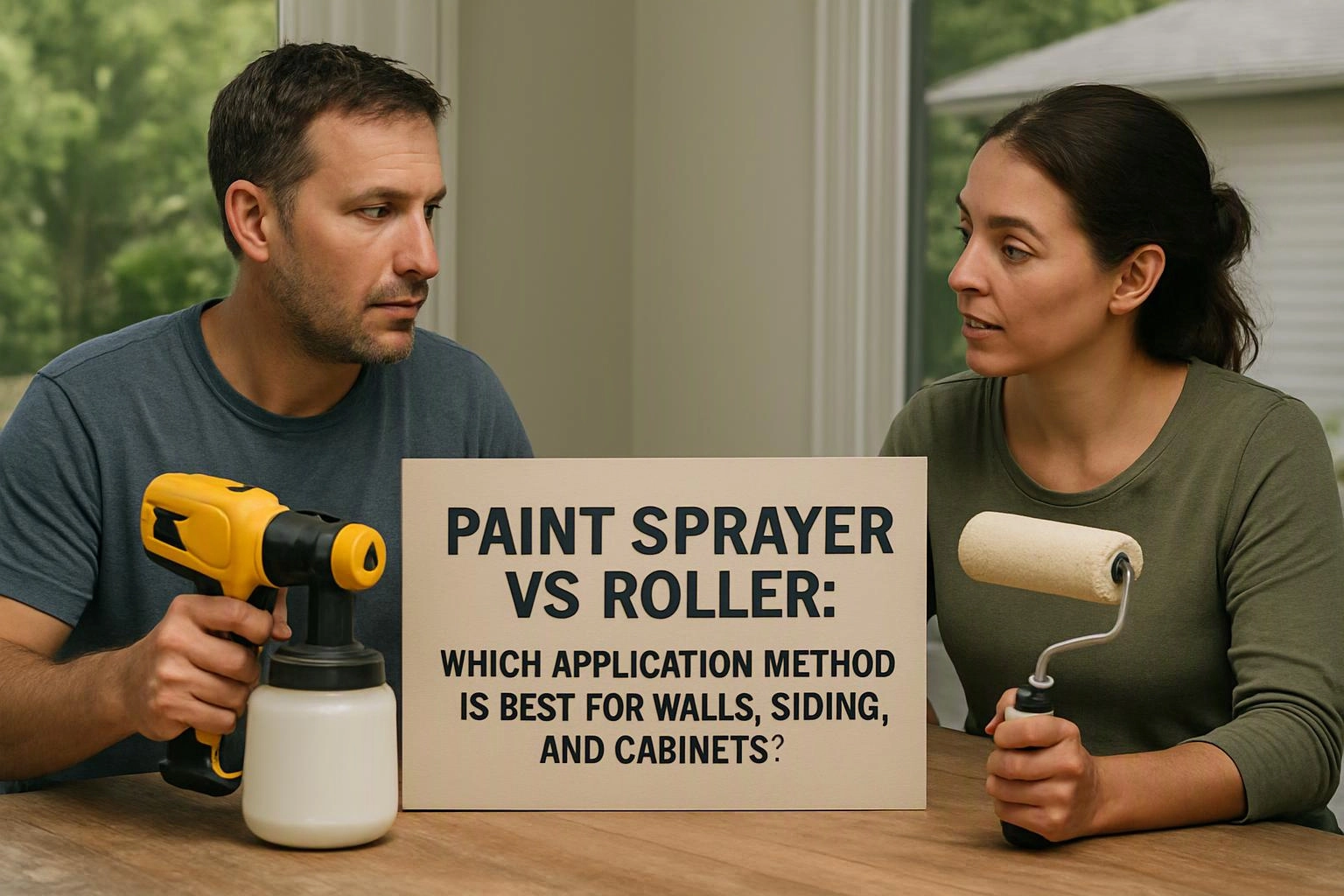
For interior painting, we review wall texture, furniture access, and nearby surfaces before choosing a method. Our Interior Painting work may use rolling, spraying, or both.
Siding painting often involves broader surfaces and changing textures. Cabinet painting needs careful surface preparation, strong paint adhesion, and close finish inspection before doors and hardware return to service.
How Do the Methods Compare for Cost, Time, and Maintenance?
Spraying can reduce application time on broad or detailed surfaces but usually requires more masking and cleanup, while rolling has simpler setup and maintenance. Project scope, paint usage, access, and touch-up needs all affect the overall work.
| Factor | Paint Sprayer | Paint Roller |
|---|---|---|
| Cost drivers | Masking, equipment setup, paint usage, and cleanup | Labor, wall condition, roller covers, and edge work |
| Application speed | Often faster across broad or detailed surfaces | Often steadier on smooth, contained areas |
| Cleanup | More involved because equipment and overspray protection need attention | Usually simpler with fewer tools |
| Maintenance | Requires spray equipment cleaning and storage | Requires basic roller and tray care |
| Touch-ups | May need careful pattern and sheen matching | Often simple on matching wall areas |
Exact project cost depends on repairs, paint selection, masking, access, and the selected application method. We provide Free Estimates Available after reviewing the work and quote scope.
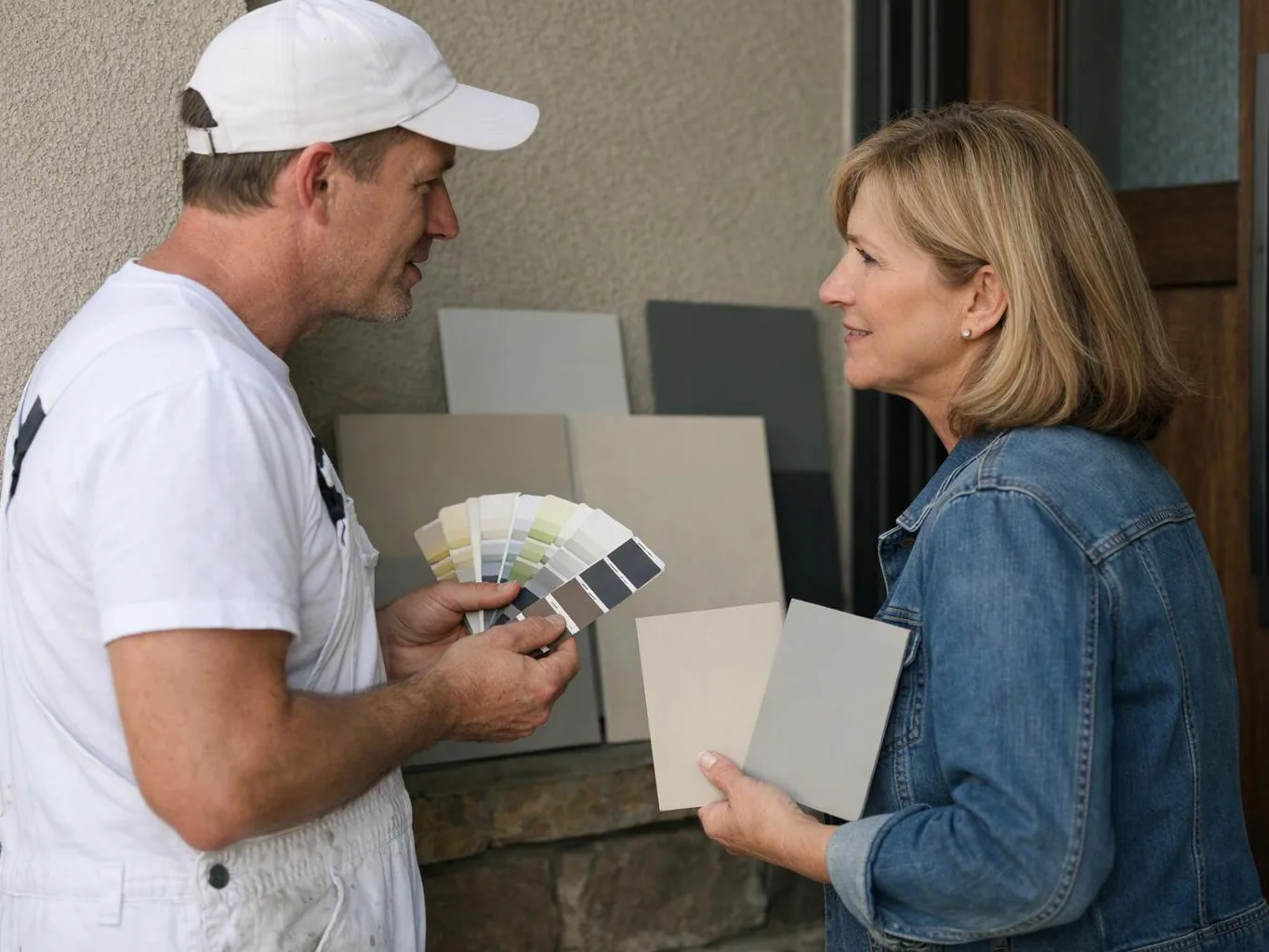
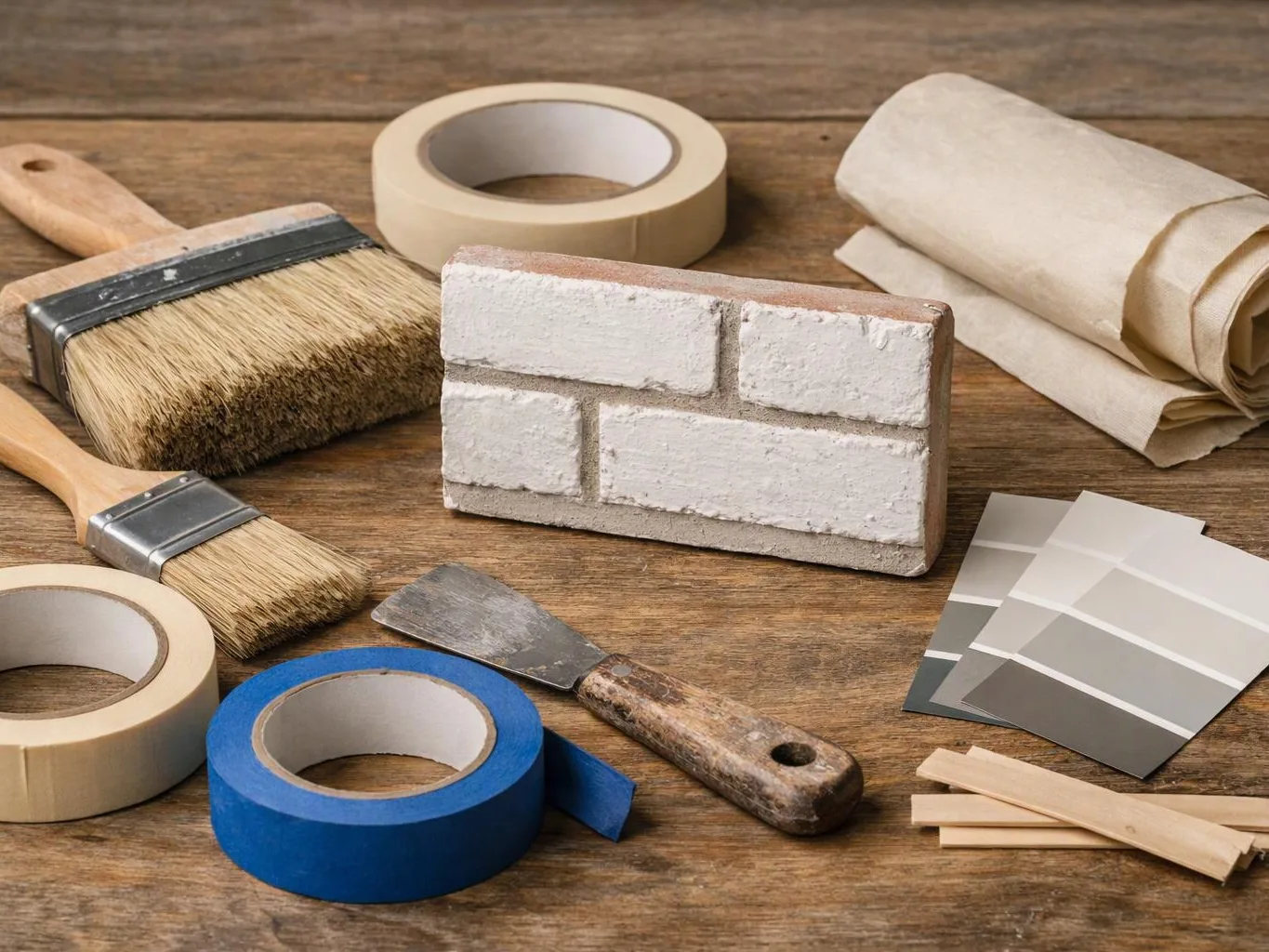
How We Select the Application Method for Each Surface
We inspect the surface, plan preparation and masking, then select the method that supports an even finish and practical cleanup. Our process keeps the finish goal and site conditions in view.
Our team can discuss the project scope and provide a quote through our contact page.
What Finish Can You Expect From Spraying or Rolling?
A sprayer can create a more uniform finish on suitable surfaces, while a roller can provide consistent coverage with strong control. Neither method replaces careful preparation or finish inspection.
Spraying depends on a steady spray pattern, correct paint thickness, and controlled movement. Rolling depends on the roller nap, even pressure, and proper overlap to limit lap marks.
Drips and runs can occur with either method when paint is applied too heavily. Cabinet finish quality also depends on clean surfaces, sound repairs, suitable primer, and careful drying between coats.
Which Method Works Best for Your Painting Project?
The best method depends on the surface, finish, masking demands, and cleanup limits, so we match the application method to the project. Interior painting, siding painting, and cabinet painting each need a different review.
We assess project access, surface condition, finish expectations, and nearby areas before selecting rolling, spraying, or a combination. Our team can also explain how the choice affects preparation and touch-up work.
For broader planning, Interior or Exterior Painting: Which Project Is Right for Your Home? can help frame the scope before requesting an estimate.
Questions About Paint Sprayers and Rollers
Can you spray paint interior walls?
Yes, a paint sprayer can coat interior walls when masking, ventilation, and overspray protection suit the space. We may choose rolling when the room has limited access or nearby surfaces.
Is rolling or spraying better for kitchen cabinets?
Spraying often supports a smoother cabinet finish, while rolling offers more control in a limited setup. We choose after reviewing cabinet doors, profiles, surface repairs, and the desired finish.
Should siding be sprayed or rolled?
Exterior siding often favors spraying when its texture and access allow proper masking. Rolling may help with controlled coverage or back-rolling on selected siding surfaces.
Does spraying use more paint than rolling?
Spraying can use more paint because of overspray and transfer loss, but surface shape and technique also affect paint coverage. We consider the surface and masking plan when selecting the method.
Can you combine spraying and rolling on one project?
Yes, combining methods can match the application to each surface. We may spray detailed areas and roll nearby walls when the project conditions support both approaches.
What preparation does a paint sprayer require?
A paint sprayer requires surface cleaning, repairs, paint selection, masking, drop cloths, ventilation, and overspray protection. We also plan equipment cleanup and finish inspection before spraying.
Tell us about the surfaces, finish goals, and access conditions for your project.
Related Resources
When Chipped Cabinet Paint Needs More Than a Small Touch-Up
When You Need ItWhen Peeling Siding Paint May Signal a Bigger Problem
When You Need ItWhen Interior Wall Wear Is More Than a Cleaning or Touch-Up Job
Brand vs BrandResidential Painting Contractor vs Handyman: Which Provider Fits Your Project?