When Apartment Paint Problems Need More Than a Quick Repaint
Apartment paint needs more than a quick repaint when peeling, bubbling, stains, or repeated repairs point to moisture, surface damage, or poor adhesion. Thomas J. Painting checks the cause, prepares the surface, and applies the right apartment or condo paint system.
Get a Free EstimateWhat Do Peeling and Bubbling Apartment Paint Mean?
Peeling or bubbling apartment paint usually means the coating has lost adhesion or moisture is affecting the surface. Thomas J. Painting checks the wall before we apply new paint.
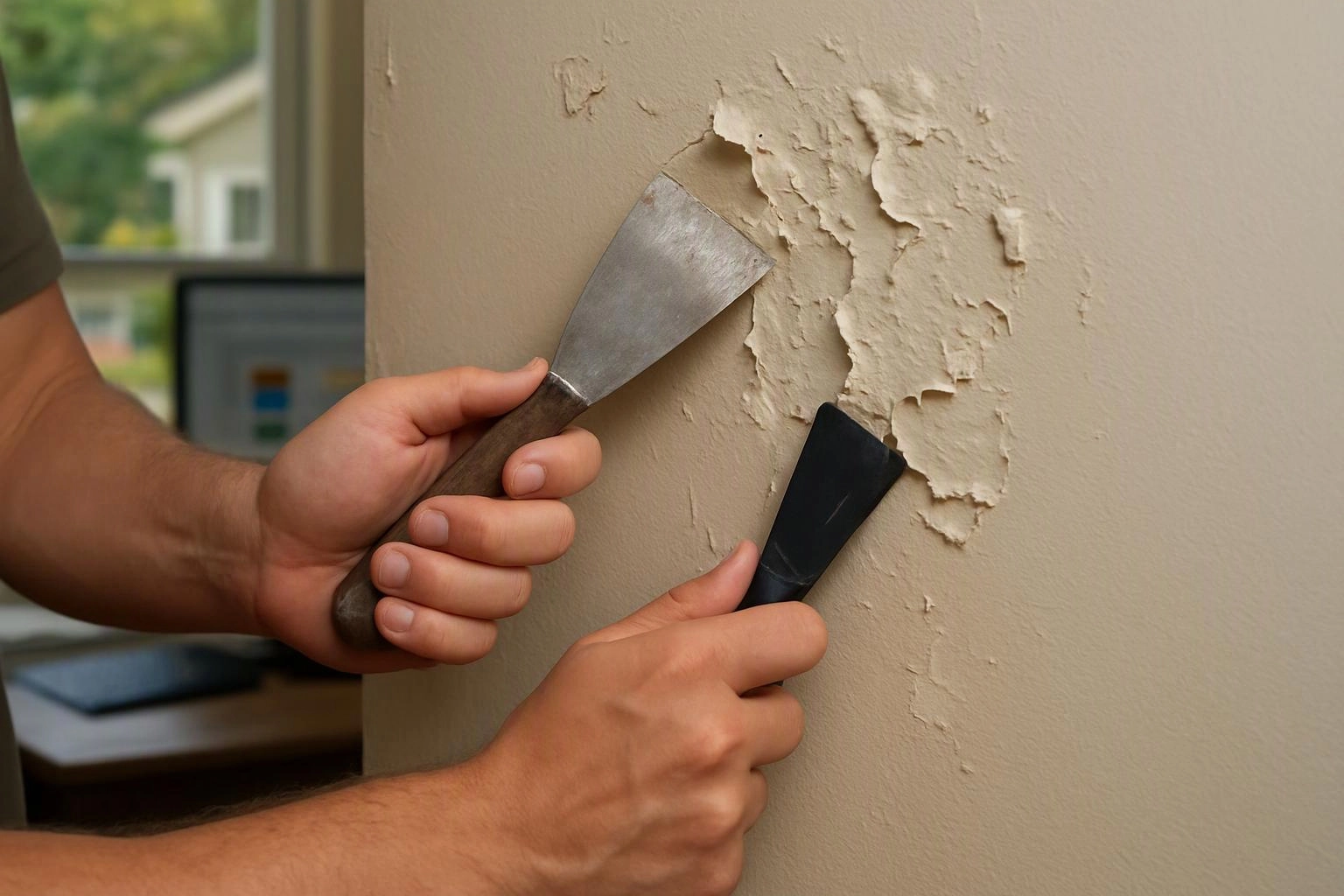
Peeling paint lifts away in flakes or loose strips. Bubbling paint forms raised areas, while blistering creates small pockets under the paint film.
Poor adhesion can result from dirt, glossy old paint, dampness, or weak surface preparation. Our crew removes unstable material and prepares the wall for a sound primer layer.
Warning Signs Your Apartment Needs More Than a Quick Repaint
Several visible signs show that apartment paint may need repair before repainting. These signs can point to surface damage, moisture, or repeated paint failure.
One sign may need careful inspection, while several signs suggest a broader repair. We trace the failure pattern so the repair addresses the wall, not only the visible mark.
Can Persistent Dampness Cause Interior Paint to Peel?
Persistent dampness can make interior paint peel by weakening the bond between the coating and the wall. Thomas J. Painting looks for signs of moisture damage before we prepare the surface.
Water intrusion can come from plumbing leaks, exterior openings, or roof and ceiling issues. Condensation and high humidity can also keep interior walls damp.
Moisture can cause paint adhesion to fail, and it may support mold or mildew growth. We document the affected area and explain when the moisture source needs attention before painting.
Paint should not cover an active leak or wet substrate. Once the source is corrected and the wall is dry, we can remove failed paint and rebuild the surface.
When Do Wall Stains or Repeated Repairs Need Repainting?
Wall stains or repeated repairs need broader repainting when the marks return or the surrounding paint has failed. Our team checks the stain type and the wall condition before choosing a repair system.
Water marks may return when moisture remains present. Smoke stains can bleed through weak coatings, while rust stains may come from nearby metal or fasteners.
A stain-blocking primer can help seal a clean, dry surface. We also remove loose paint, repair damaged areas, and blend the finish so the patch doesn't stand out.
Recurring repairs often show that the original problem extends beyond one small spot. Repainting the affected wall or ceiling can create a more consistent and durable result.
What We Check Before Repainting an Apartment
Our paint inspection identifies why the apartment coating failed and what preparation the surface needs. We use the findings to plan the apartment painting work.
This inspection helps separate normal wear from a deeper paint failure. It also helps us explain which repairs belong in the painting scope and which moisture concerns need separate attention.
DIY Touch-Ups or Professional Apartment Painting?
Small, stable touch-ups may suit a careful homeowner, but damaged paint needs proper preparation. Thomas J. Painting handles peeling paint repair, bubbling paint repair, and moisture-related surface damage.
The right choice depends on the wall condition, the size of the failed area, and whether moisture is involved. The table shows how we separate simple touch-ups from broader apartment painting work.
| Factor | What you can do yourself | What we do |
|---|---|---|
| Stable touch-up | Touch up a clean area where the paint is firmly attached. | Match the repair approach to the surrounding paint and wall finish. |
| Peeling or bubbling | Avoid covering loose or raised paint with a new coat. | Remove unstable paint, prepare the surface, and prime repaired areas. |
| Moisture-related damage | Report active leaks or damp conditions to the property manager. | Assess visible damage and coordinate painting after the moisture source is addressed. |
| Large or repeated failure | Avoid repeated spot repairs that may hide a wider problem. | Plan wall preparation and repainting for a consistent finish. |
DIY work is limited when the wall is damp, unstable, or difficult to access. Our crew can prepare apartment interiors, condo spaces, and HOA property areas for a complete finish.
How We Restore Walls Before Applying New Paint
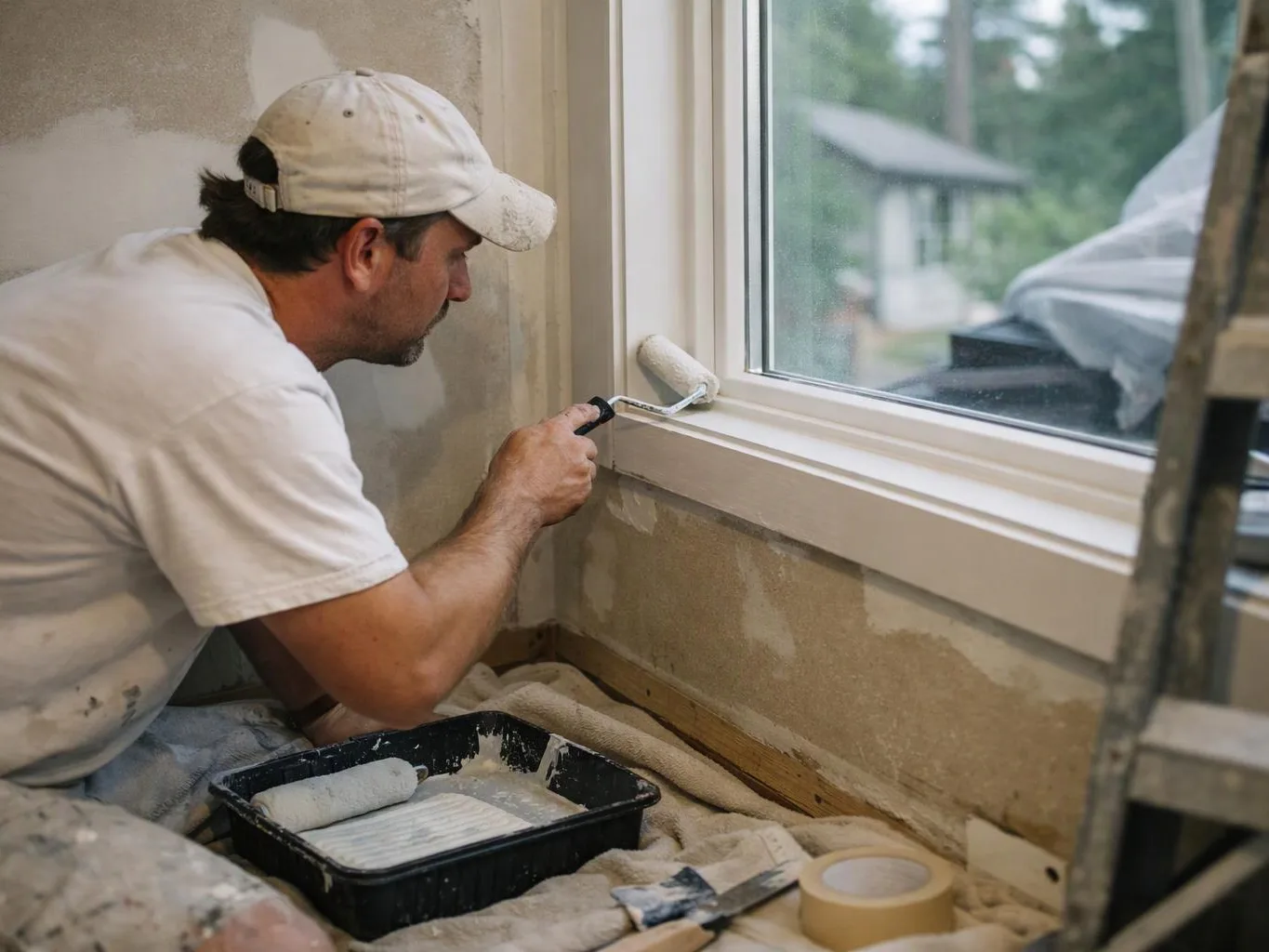
Wall restoration begins with removing failed material and creating a clean, stable base. We use a scrape and sand process when peeling or blistering has weakened the paint film.
Our crew completes scraping and sanding to remove loose edges. We use patching for holes and damaged areas, then apply caulking where gaps could affect the finish.
After the wall is clean and dry, we apply the right primer for the surface. We then apply finish paint to create an even appearance across the repaired area.
Our Apartment Painting service covers the preparation and finish work needed for apartment interiors. We can also plan Condo Painting and HOA painting work around shared spaces and property rules.
How Do You Know the Paint Problem Is Ready for Repainting?
A paint problem is ready for repainting when the surface is dry, clean, stable, repaired, and properly primed. Our team checks these conditions before applying final paint.
A dry surface should show no active dampness or fresh water marks. A stable substrate should hold the remaining paint without soft, loose, or raised areas.
We clean the wall, smooth damaged sections, and secure sound paint edges. Primer then helps prepare the repaired surface for the finish coat.
Our final paint inspection checks coverage, edge blending, surface texture, and visible defects. We address preparation issues before considering the work complete.
What Changes the Scope of an Apartment Paint Repair?
The repair scope depends on the damaged area, moisture source, surface condition, preparation work, and access. We review these factors before preparing an apartment painting quote.
Affected wall area can range from one repair zone to connected walls and ceilings. Ceiling damage may also require extra protection and careful blending.
Paint removal, patching, primer, and finish coats add preparation steps when the existing coating has failed. Access can change how we protect the space and reach the damaged surface.
We explain what the quote includes, including the preparation needed for a sound result. Thomas J. Painting offers Free Consultations so you can discuss the visible problem before work begins.
Questions About Apartment Paint Problems
Can I paint over bubbling or peeling apartment paint?
Thomas J. Painting doesn't recommend covering bubbling or peeling paint without preparation. Loose coating must be assessed and removed, and the wall may need repair, primer, or moisture checks first.
Why does new paint keep peeling from the same wall?
New paint can keep peeling when moisture, poor adhesion, or weak surface preparation remains under the coating. We inspect the wall, remove failed paint, and prepare the surface before repainting.
Should bubbling paint be checked for water damage?
Yes, bubbling paint should be checked for water damage when dampness, stains, or soft drywall appear nearby. We document visible conditions and explain the painting work needed after the moisture source is addressed.
Do recurring wall stains need primer before repainting?
Recurring wall stains often need the right stain-blocking primer before repainting. We first check that the wall is dry and sound, then choose preparation and primer based on the stain.
Apartment paint problems deserve a cause-focused inspection when repairs keep failing. Thomas J. Painting checks the wall, prepares the surface, and explains the next step for your apartment, condo, or HOA property.
Request a Free Consultation