Signs Your Home’s Exterior Paint Needs Attention
Signs your home’s exterior needs repainting include peeling, cracking, bubbling, fading, exposed surfaces, and moisture damage. Thomas J. Painting checks the paint and the surface beneath it before recommending preparation and repainting.
Get a Free Estimate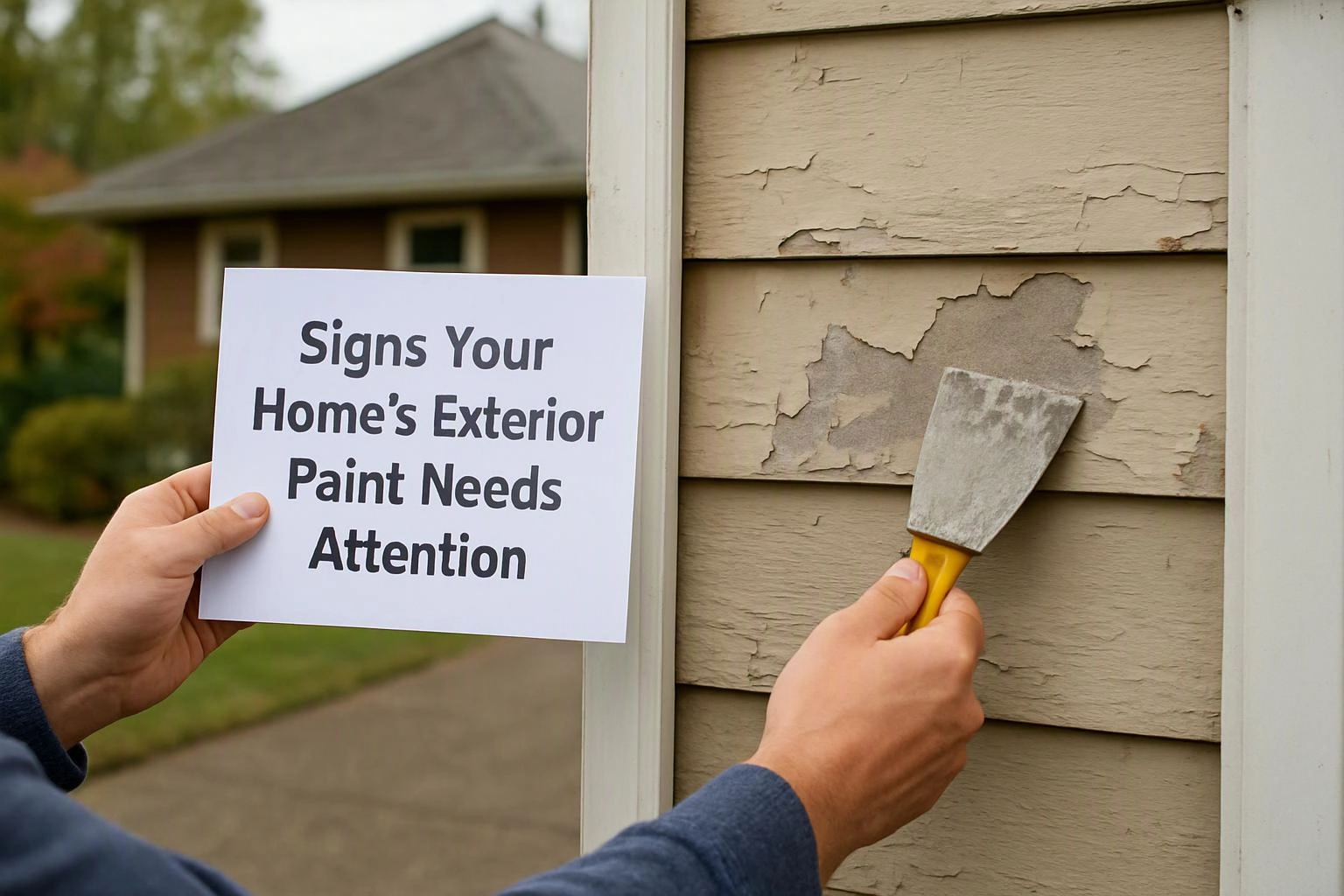
How Can You Tell When Exterior Paint Needs Repainting?
Exterior paint usually needs repainting when visible failure affects its protection, appearance, or bond with the surface. Thomas J. Painting reviews the home exterior before deciding whether the work needs repairs, preparation, or a full recoat.
Look beyond color alone. Paint can fail while the surface still looks mostly covered, especially around siding joints, trim, windows, and doors.
Warning Signs Your Home’s Exterior Paint Is Failing
Visible paint changes often show that the coating or the surface below needs attention. Check the whole home exterior, because one damaged area can point to a wider preparation issue.
What Peeling, Cracking, and Bubbling Paint Can Mean
Peeling, cracking, and bubbling paint can signal moisture, movement, poor adhesion, or preparation problems beneath the coating. Thomas J. Painting checks the failed areas so we can match the preparation to the cause.
Peeling exterior paint may follow trapped moisture, loose old layers, or a surface that wasn't cleaned well. Cracks can develop as wood and siding expand or contract. Bubbles and blisters often need closer review because moisture intrusion may be hidden below them.
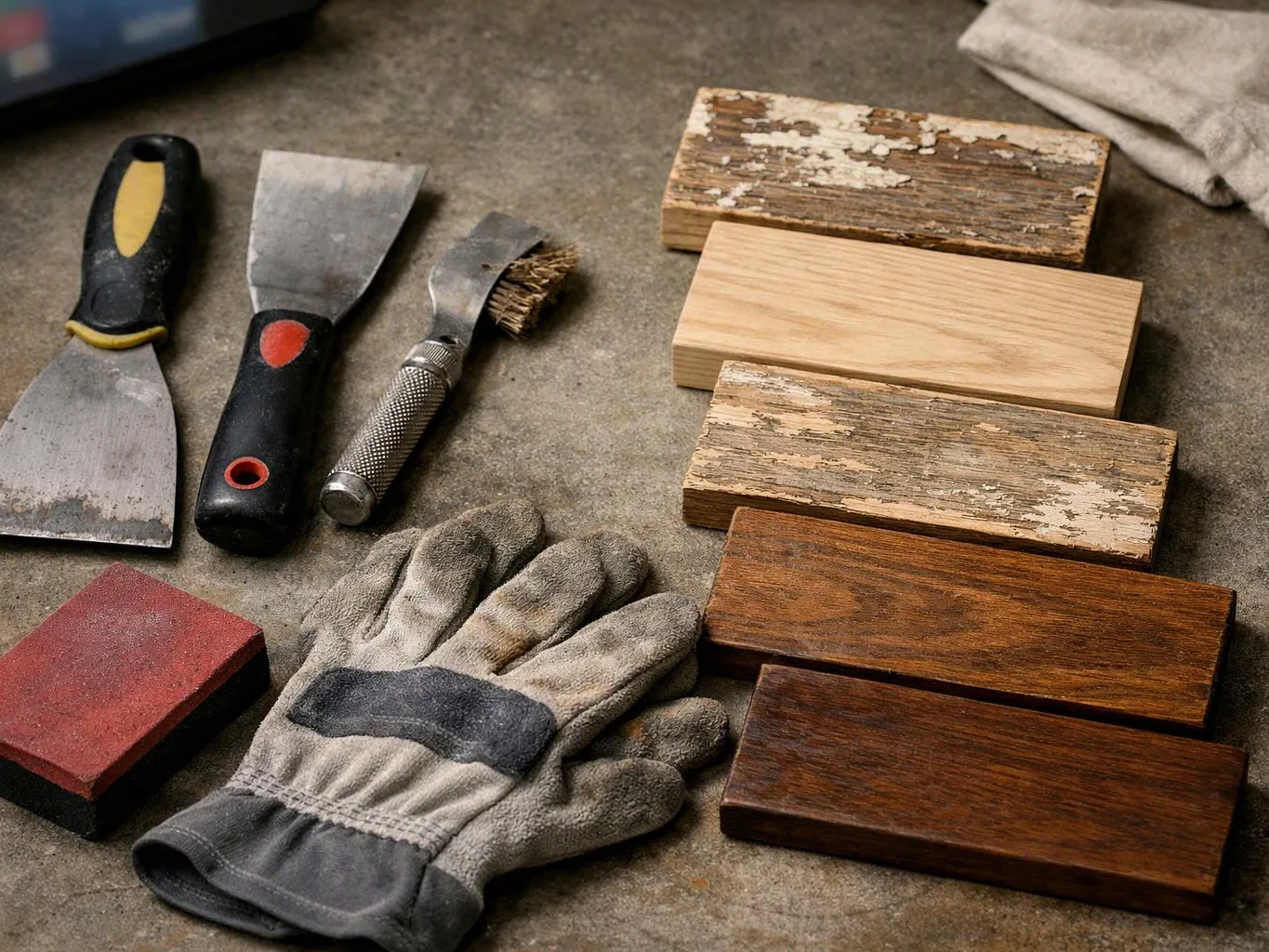
We remove unstable material, assess the exposed surface, and plan the needed surface preparation. Scraping and priming help create a sound base, but damaged material may need repair before paint application.
Can Paint Failure Signal Wood Rot or Moisture Damage?
Paint failure can signal moisture damage or wood rot when water reaches siding, trim, joints, or other exposed areas. We check for soft wood, staining, open seams, and moisture paths before covering the damage.
Wood siding and trim can soften when water enters through failed caulking, joints, or damaged coatings. Water intrusion may also come from nearby details that direct water toward the wall.
Our team identifies the affected areas and explains which repairs belong in the repainting plan. When the damage extends to carpentry, our exterior wood repair services can address the wood before painting continues.
What to Check Before You Repaint the Exterior
Exterior paint preparation starts with the condition of the surface, not the color choice. These checks help show whether repainting can begin or repairs must come first.
When Can You Handle Exterior Paint Preparation Yourself?
DIY paint inspection is suitable for accessible areas and minor paint wear, but unsafe ladder work and deeper damage need Thomas J. Painting. You can observe loose paint, surface dirt, and visible cracks from a safe position.
Surface cleaning and minor scraping may be reasonable when the area is easy to reach and the coating is stable. Stop if you find soft wood, widespread peeling, hidden moisture, or a height that makes ladder safety uncertain.
We handle the detailed paint preparation assessment and identify where scraping, priming, caulking, or repairs are needed. Our crew also manages ladder work when access creates a safety concern.
DIY or Call Us for Exterior Repainting?
DIY preparation can work for simple, reachable areas with sound surfaces. Calling us makes more sense when paint removal, moisture damage, or difficult access could affect the result.
We assess the surface before recommending exterior repainting. The comparison below shows where homeowner tasks end and our work begins.
| Factor | What you can do yourself | What we do |
|---|---|---|
| DIY preparation | Observe accessible damage and clean stable surfaces. | Review the full surface and plan preparation for each material. |
| Surface assessment | Note visible cracks, peeling, stains, and exposed areas. | Check paint adhesion, moisture signs, wood condition, siding, and trim. |
| Paint removal | Handle minor loose paint only where access and safety are clear. | Scrape unstable coating and prepare the surface for new paint. |
| Moisture damage | Report soft wood, staining, damp areas, or suspected water intrusion. | Trace the visible problem and coordinate needed surface repairs. |
| Ladder work | Avoid areas that require unsafe reaching or climbing. | Handle elevated areas with the access planning the work requires. |
How We Assess Exterior Paint Before Repainting
Thomas J. Painting begins with a paint inspection that considers both the coating and the surface beneath it. We look for failure patterns, moisture signs, loose material, and areas where paint adhesion has weakened.
Our team explains the surface preparation needed for the project. That may include cleaning, scraping, caulking, repairs, and priming before paint application.
We provide Free Consultations so you can discuss the condition of your home exterior and the work it may need. Our recommendations focus on a sound surface and a durable repainting plan.
What Changes the Scope of an Exterior Repainting Project?
Exterior repainting scope changes with paint failure, surface repairs, access, siding material, and the preparation the home needs. We review these factors before outlining the work.
Paint condition affects how much scraping, cleaning, and priming is needed. Siding material and trim condition also change the products and methods that fit the surface.
Access can add planning when upper areas, tight spaces, or complex details limit safe reach. Coating layers and a major color change may also require more preparation for even coverage.
Our quote reflects the visible condition, required repairs, preparation work, and paint application involved. Contact us for an exact project assessment.
What Should You Do After Spotting Exterior Paint Damage?
Exterior paint damage calls for a surface review before you plan repainting. Follow these steps to separate visible wear from problems that need repairs.
Questions About Exterior Paint Damage
Can I paint over peeling exterior paint?
Thomas J. Painting doesn't recommend painting over loose or peeling coating because new paint may fail with it. We remove unstable material and prepare the surface before repainting.
Why is my exterior paint bubbling?
Exterior paint usually bubbles when moisture, heat, or poor adhesion affects the coating. We inspect the area for moisture behind siding and prepare the surface before applying new paint.
Does faded exterior paint need to be replaced?
Faded exterior paint may need replacement when weather exposure has weakened the coating or reduced its protection. We check for chalking, exposed surfaces, and adhesion problems before recommending a recoat.
How do I know if exterior paint damage is cosmetic or structural?
Exterior paint damage may be cosmetic when the surface stays hard and dry, but soft wood, moisture, open joints, or spreading failure can point to deeper damage. We assess the coating, siding, trim, and surrounding surfaces before planning repainting.
Plan Your Exterior Paint Assessment
Thomas J. Painting can review peeling, cracking, bubbling, fading, exposed wood, and moisture damage before repainting. We’ll explain the surface preparation and repairs your home exterior needs.
Contact Thomas J. Painting to request your Free Consultation and discuss the next step.